Entry 021: Monsters of the North
Reading and listening to stories was always something I enjoyed, even in the earliest stages of my life. Not comics so much, although I had a few, but stories. Real stories. Stories that carried weather inside them. As a very young kid I was mesmerized by Hans Christian Andersen’s The Snow Queen, that cold and glittering world where love had to cross frozen distances. I also grew up with stories that scared the living daylights out of you. Struwwelpeter was one of them. There was no comfort in those tales. Children misbehaved and paid the price. Fingers were cut off. Matches burned too bright.
A little later I fell into the detective world of Die drei Fragezeichen, known in America as The Three Investigators by Robert Arthur. Then came Stephen King. I read him obsessively. Whole summers disappeared inside those books. And when I was a teenager, a friend of my sister handed me Paul Auster. Moon Palace. Leviathan. The Music of Chance. That quiet, existential drift. Characters wandering through cities, through coincidence, through fate. It felt like the world could tilt at any moment and yet remain strangely calm.
But perhaps what stayed with me most was Jack London. During winter holidays in Austria we watched Die Weihnachtsvierteiler, and one of them was The Sea Wolf. I loved it immediately. A few years later I read the novel. Humphrey Van Weyden is thrown overboard when a ferry sinks in the San Francisco Bay and is rescued by a sealing schooner called the Ghost. He survives, but survival comes at a cost. He finds himself trapped under the authority of Wolf Larsen, a captain as brilliant as he is brutal. The ocean becomes not just a setting but a test. A stripping away. A confrontation with force and indifference.
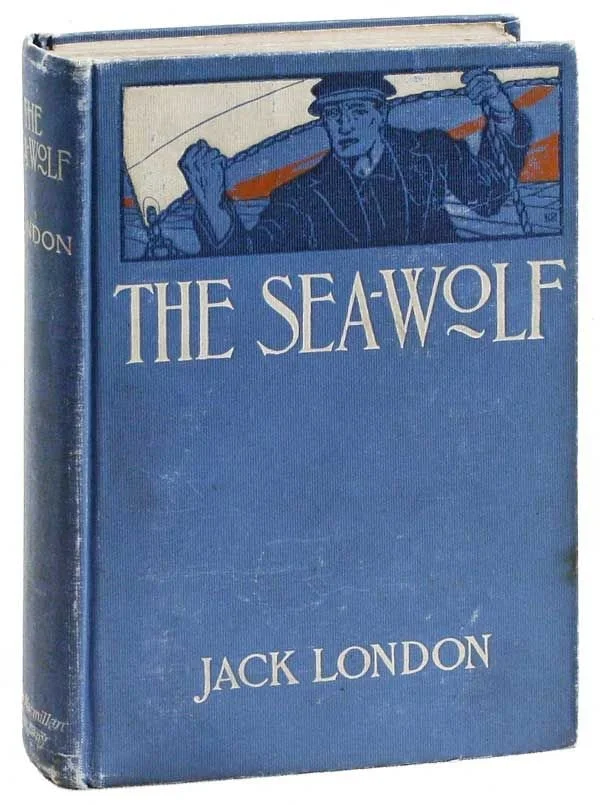
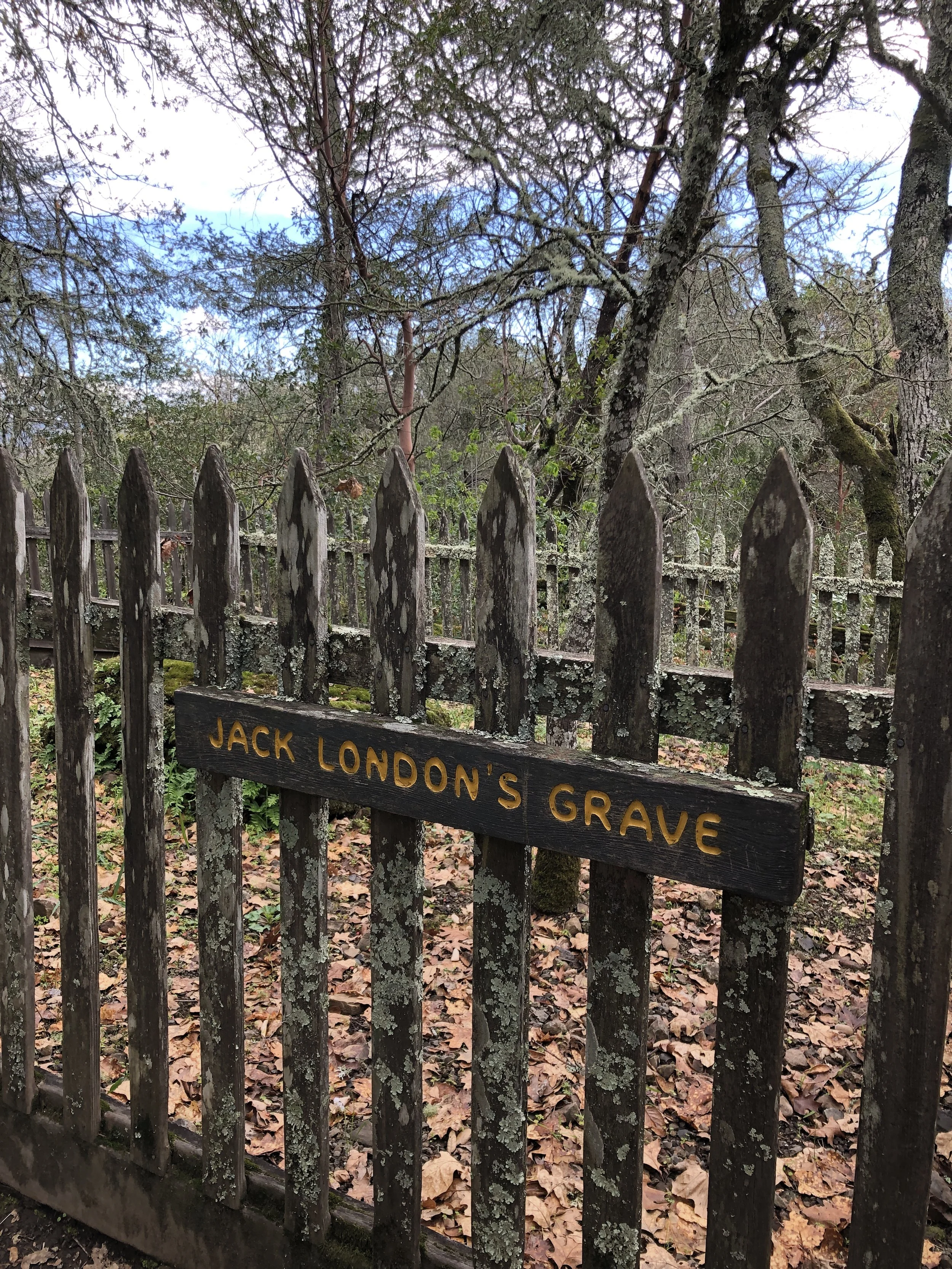
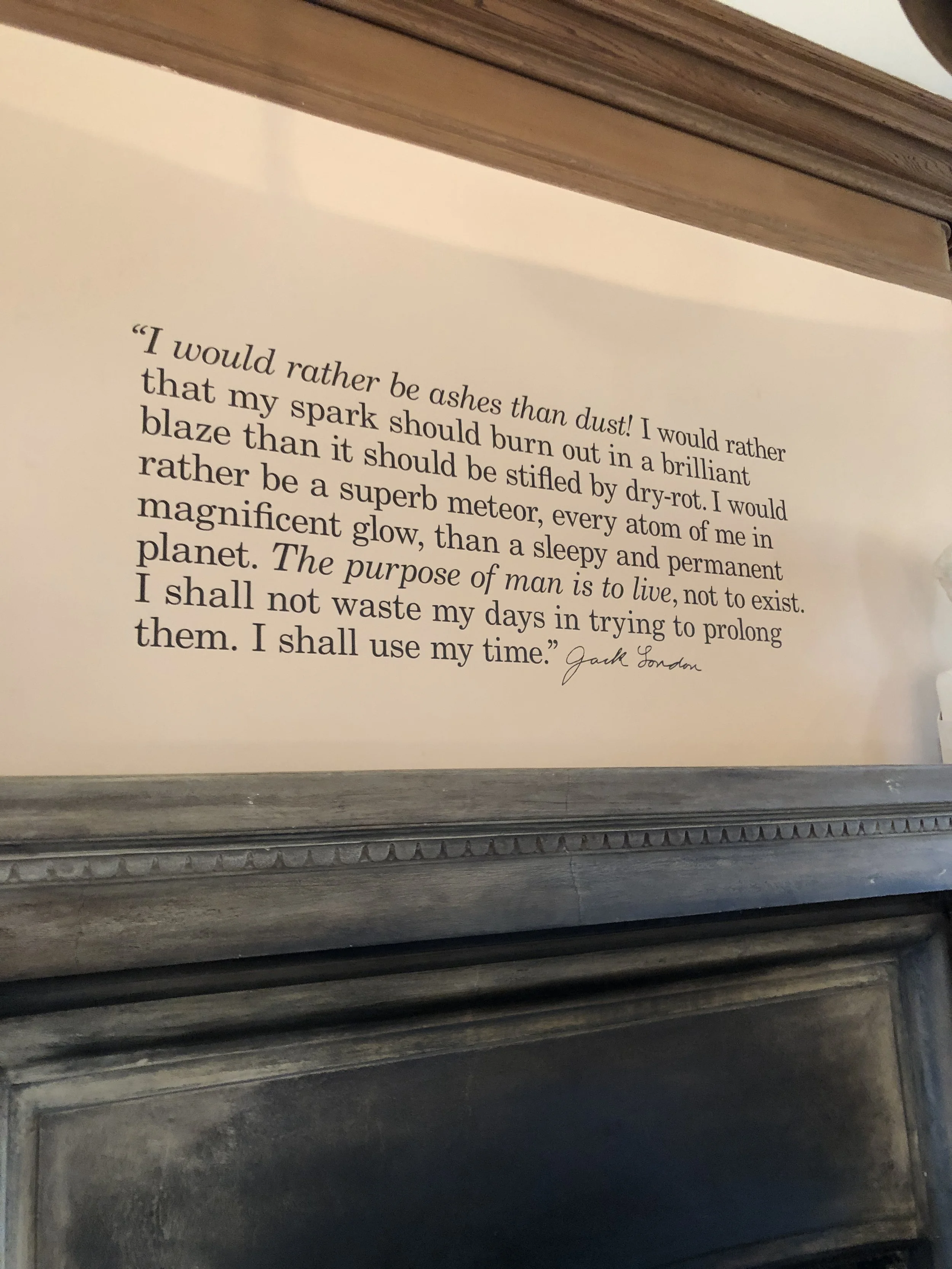
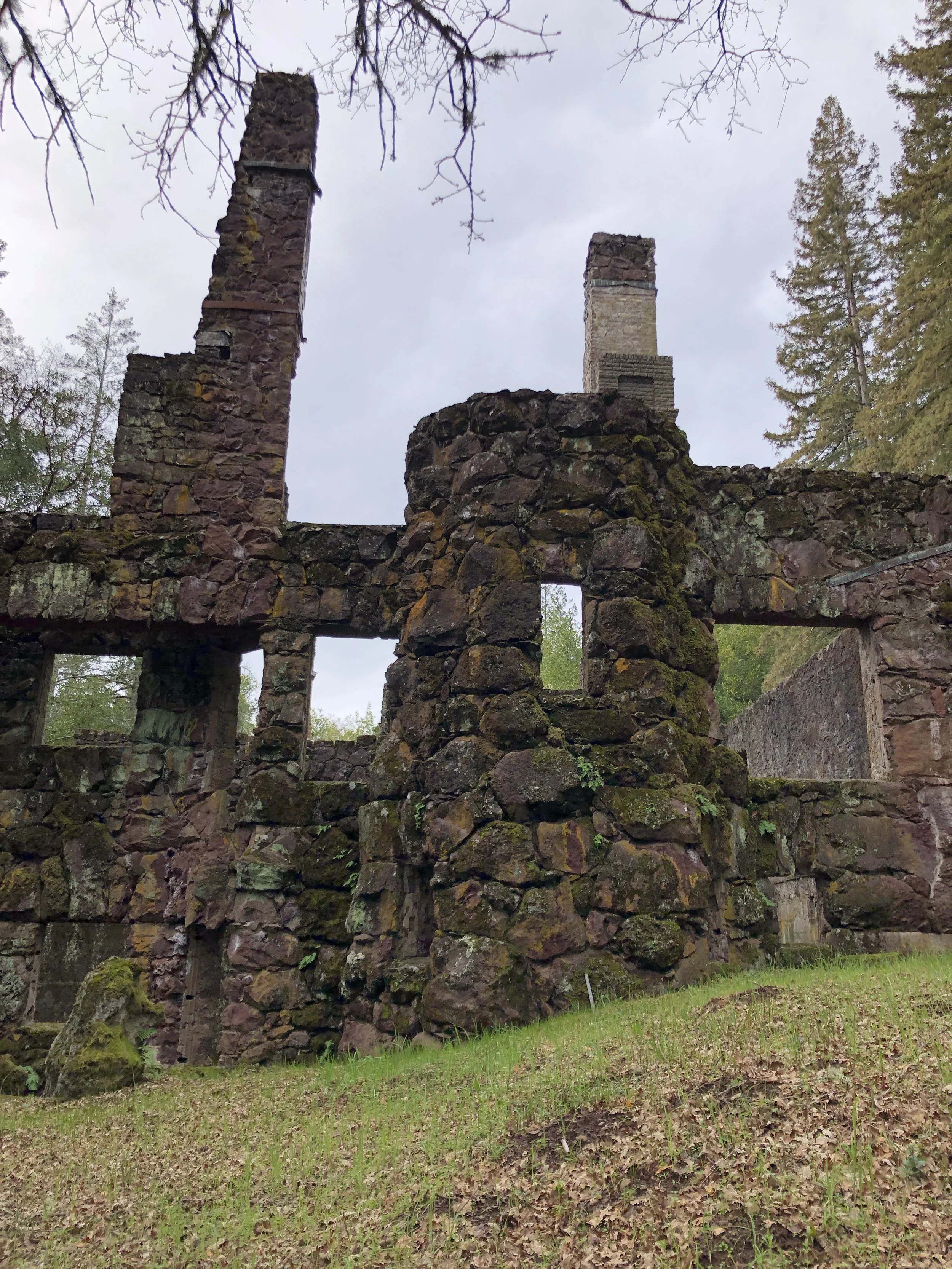
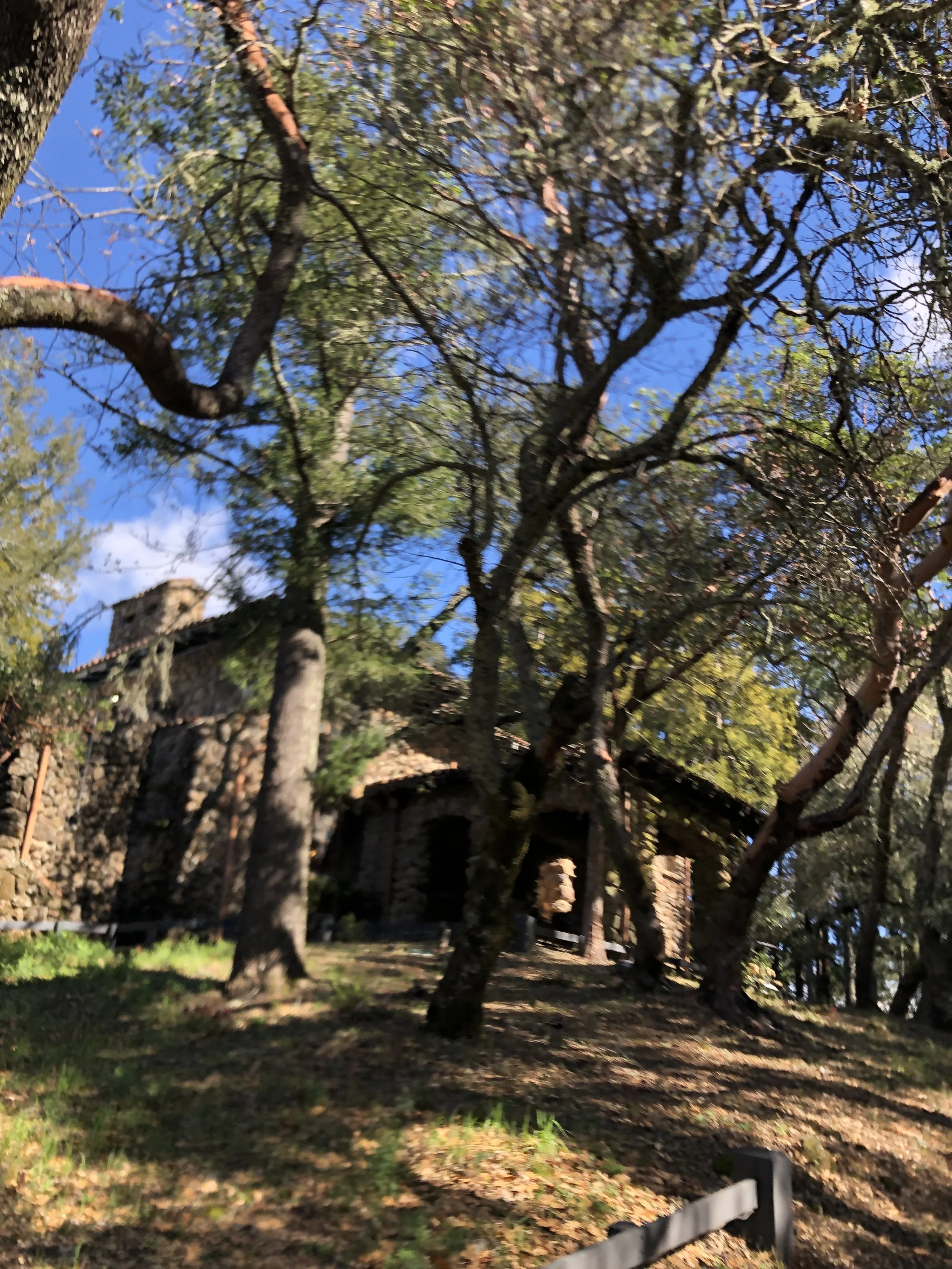
These photos were taken during my visit to Jack London State Park. The ruined mansion in the background is the historic Wolf House, which tragically burned down in 1913 before its construction was finished.
I could relate to that feeling of being swept out beyond what you intended. Of being carried by currents you did not choose. In my life I have felt that pull more than once, caught in directions that seemed larger than my own plans.
In short, stories are what I have always been fascinated by. They are how I understand the world. And lately, as my Arctic journey slowly approaches, I have found myself returning to the stories of the North. The old ones. The Norse sagas.
The Norse sagas were prose narratives written mostly in Iceland in the 13th and 14th centuries, recounting events that took place during the Viking Age and earlier. Some are mythological. Some are family histories. Some blur the line between memory and legend. Together with the Poetic Edda and the Prose Edda, they form the backbone of what we know about Norse mythology. Long before the Arctic was measured in satellite imagery, it was imagined.
In the Poetic Edda, a collection of Old Norse poems preserved in the 13th century manuscript known as the Codex Regius, the world begins in a vast emptiness called Ginnungagap. To one side lies Muspelheim, a realm of fire. To the other, Niflheim, a realm of ice and mist. When heat and frost meet in the void, the first being emerges. Ymir, a frost giant. From him, the world eventually takes shape. The North begins not as a place to conquer, but as a tension between elements. Fire and ice. Creation born from collision.
Then there is Jörmungandr, the Midgard Serpent, child of Loki, cast into the ocean by Odin. The serpent grows so large that it encircles the entire world and grasps its own tail. Somewhere in those cold northern waters, the creature waits. At Ragnarok, the final battle, it will rise from the sea and face Thor. The earth will tremble. Sea monsters were not metaphors. They were part of the mental landscape. Sail too far and you might encounter something that should not be disturbed.
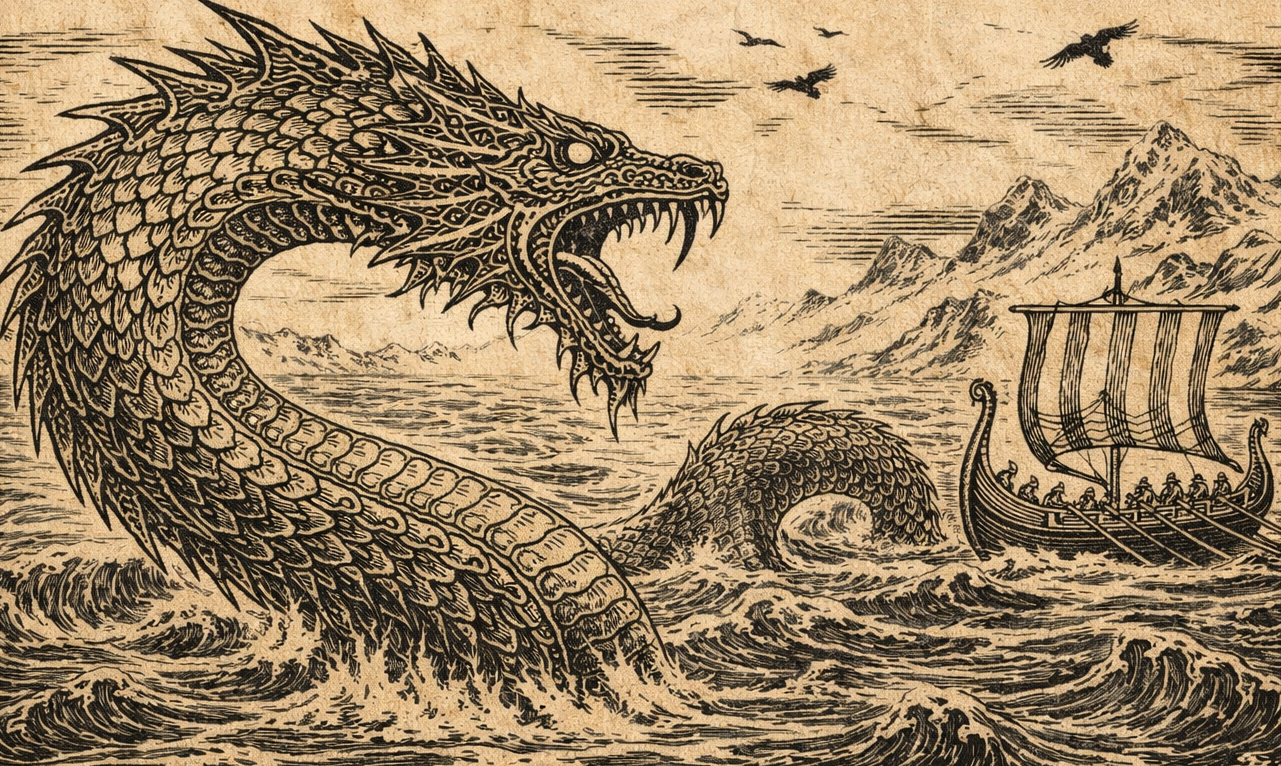
Jörmungandr the "Midgard Serpent”
In the Saga of the Greenlanders and Erik the Red’s Saga, we leave the realm of gods and enter human exploration. Erik the Red, exiled from Iceland, sails west and establishes a settlement in Greenland around the year 985. His son, Leif Erikson, later sails even farther, reaching what is now believed to be Newfoundland in North America. Vinland. These sagas are not written as heroic epics in the modern sense. They are matter of fact. People leave. People die. Settlements rise and disappear. The North is not romanticized. It is difficult. Marginal. Often unforgiving.
There are also darker figures in these stories. Draugar, the undead, appear in several sagas such as Grettir’s Saga. They are not ghosts drifting in white sheets. They are physical. Corporeal. They guard treasure, haunt burial mounds, crush the living with their strength. To defeat a draugr you must confront it directly, often wrestling it back into the grave.
And then there is Skadi, the giantess associated with winter and mountains. In the Prose Edda, written by Snorri Sturluson, she demands compensation from the gods for the killing of her father. She chooses a husband among them by looking only at their feet. She hopes for Baldr but ends up with Njord, the sea god. Their marriage fails because she prefers the mountains and he the sea. They try to live in each other’s worlds, but neither can endure the other’s element for long. It is a small story, almost domestic. Yet it carries something essential about the North. You cannot simply relocate comfort. The environment shapes you.
Even Svalbard, though not directly named in the sagas in the way Greenland and Vinland are, appears in early Icelandic sources. A land called Svalbarði is mentioned in the Landnamabok, the Book of Settlements, as a place four days’ sailing north of Iceland. Scholars debate whether this refers to modern Svalbard or to a different Arctic region. But the idea was there. Beyond Iceland lay more cold. More edge.
What strikes me about these sagas is not their fantasy. It is their restraint. They do not explain themselves. They present a world in which humans coexist with forces that are larger, older, and often indifferent. The monsters are not always evil. They are boundary markers. Jörmungandr marks the limit of the sea. The frost giants mark the limit of warmth and cultivation. The draugar mark the limit between life and death. Even Ragnarok, the destruction of the world, is followed by renewal. A new earth rises from the sea. Some gods return. Two human survivors repopulate the world.
The North was feared, yes. But it was also respected. It demanded humility.Today, our monsters look different. They are quieter. More administrative. Extraction contracts. Shipping lanes. Military exercises under pale skies. None of them roar like a serpent rising from the ocean. None of them carry a hammer like Thor. They wear suits. They sign papers.
But I am careful here. I do not want to turn myth into a lecture. I only notice that in the old stories, when humans ignored the scale of their surroundings, consequences followed. Not as punishment. As inevitability. When Erik the Red was exiled, he did not argue with the climate. He moved. When settlers struggled in Greenland, some endured, some vanished. The sagas record both without sentimentality.
Perhaps that is what also draws me north now. The atmosphere of those stories. The sense that the North is not blank. It is layered. Storied. Charged with memory.
As July approaches, I think less about data and more about presence. I imagine standing in a place where wind has its own vocabulary. Where light behaves differently. Where the horizon feels less like a boundary and more like a question. Were the old stories warnings. Or were they reminders. That there are edges. That not everything yields. That some places ask you to listen before you speak. The monsters of the North were never just creatures. They were thresholds. Cross this line and you enter a different order of reality. In a world that measures everything, perhaps what unsettles us most is what refuses to be fully measured.
I am going north not to slay anything. Not to conquer. Not to extract meaning like ore from rock. I am going because I have always followed stories. And the North has been telling one for a very long time. I want to hear it for myself.
“I’ll have you know I do the swearing on this ship. If I need your assitance I’ll call you.”