Entry Twelve: A Record of What Fades
There is a moment at the start of every documentary when you think you know what the story will be. You imagine the arc, the timeline, the shots you will gather like stones in a riverbed. And then the real story arrives, quiet and unscheduled, and it folds itself around you like weather. That is what this film will be. Not a record of what I paint, but a record of what disappears around it.
The documentary will follow the journey into the Arctic, but the Arctic is never only itself. It is a mirror, a clock, a warning, and a kind of ghost. As I repaint three stolen and missing works by Klimt, Matisse, and Rembrandt, the film will follow another layer of loss. The slow erasure of ice. The disappearance of seasons. The way a place changes in silence while the world keeps talking over it.
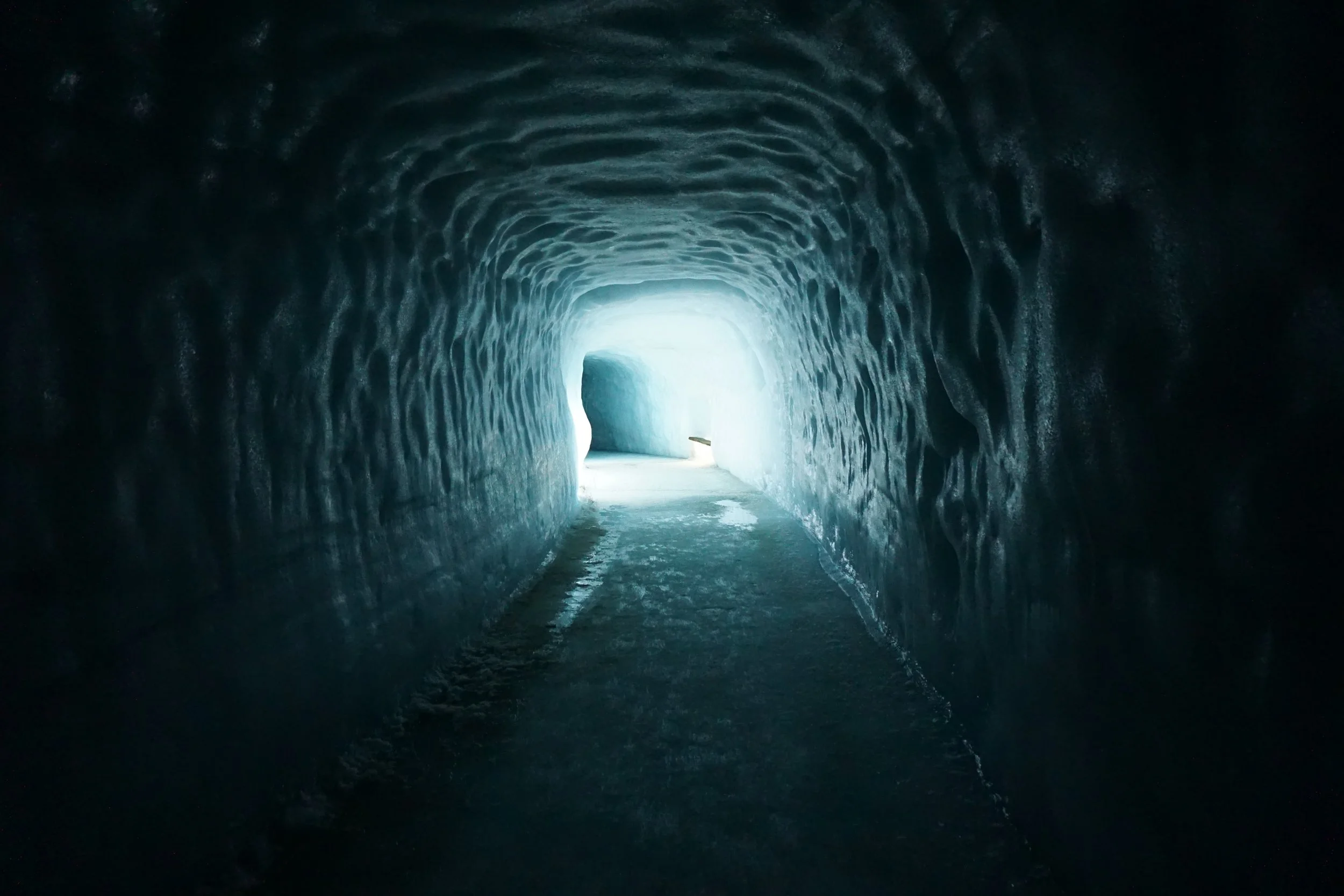
Langjökull, Borgarnes, Western Region, Iceland
The idea is simple. Place each painting beside its moment in time. Look at the Arctic the way it looked when the artists were alive. Klimt moving through Vienna around 1910. Matisse working in the south of France before the First World War. Rembrandt painting in Amsterdam when the world still believed winter was trustworthy. Imagine the Arctic then. A place of thick, ancient sheets of ice. A place that felt so permanent no one bothered to measure its fragility.
Then shift the frame. When each painting vanished into theft or obscurity, the Arctic had already begun to lose the edges of its shape. Not dramatically. Not with headlines. Just a little less ice. A little more melt. A little more warmth arriving earlier in the year. Loss that felt too slow to matter and too quiet to notice.
Now move to the present. To me repainting these works in a century that is no longer sheltered by the illusion of stability. The Arctic now is thinner, warmer, stranger. Ice that once lasted centuries now lasts decades. Some of it lasts only a season. It is the same kind of disappearance that haunts the stories of stolen art. Not sudden. Not cinematic. Just gradual enough for people to assume nothing is wrong.
The documentary is not about the Arctic as a landscape or a spectacle. It is about how loss works when you stop paying attention. Paintings vanish from walls. Ice vanishes from maps. At first the absence feels temporary. Then it becomes permanent. By the time you understand what has gone, a part of the world has already rewritten itself.
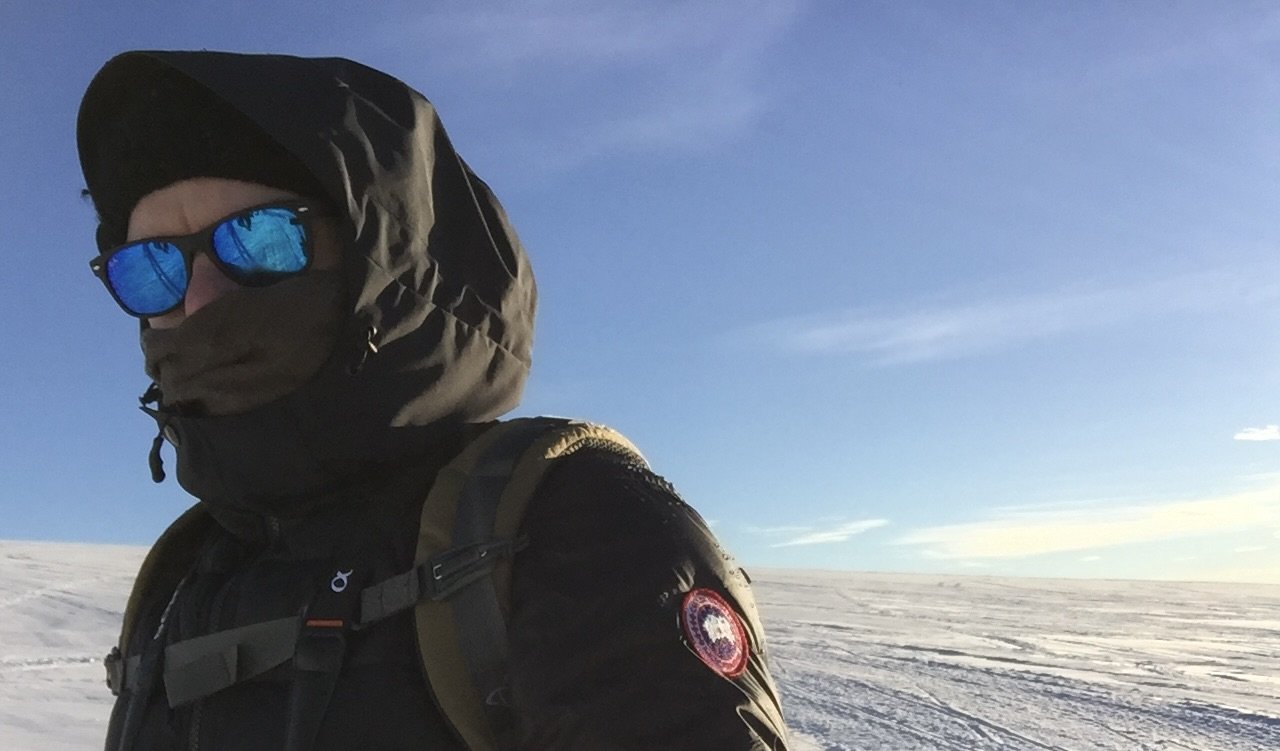
Langjökull, Borgarnes, Western Region, Iceland
The camera will follow the journey north. The long light, the cold that feels thinner than it should, the quiet moments on the deck when the sea looks like a sheet of graphite. I want the film to ask a simple question. What do we choose to see and what do we allow to fade? The three paintings become markers in time. Klimt before the storms of the twentieth century. Matisse before the old world cracked open. Rembrandt before the age of industry. Each one a fixed moment. Each one a record of a world that still believed the Arctic was immovable.
As the story unfolds, the paintings and the ice will start to speak the same language. Both become a study of what happens when something disappears in slow motion. When loss becomes normal. When change becomes background noise.
This is what the documentary will hold. Not just the voyage, not just the act of painting, but the recognition that the world changes even when no one is looking. The Arctic today is the missing painting on the museum wall. You can still see the outline where it once hung. The shape is still there, but the surface behind it has faded.
The film will try to capture that feeling. The sense that something enormous has slipped out of the frame, and yet the room remains quiet. The sense that disappearance is not an event, but a process. That the world is full of things that can be lost twice. First in reality. Then in memory.
Next time, I will write about the filming process itself and the strange choreography of documenting something that is trying to leave the world while you look at it.
“The smaller the disappearance, the larger the shadow it leaves behind.”