Entry Seventeen: The Music Behind Ghosts of the Ice
In the early 1990s, I was in a band called Mistake, based in Klagenfurt. We recorded, we played, we wrote, we argued, we believed in it. The sound lived somewhere between Nirvana’s raw urgency and Cat Stevens’ quiet introspection, which makes perfect sense if you are young, confused, and serious about everything all at once. We even made it onto Austrian radio Ö3 once. And when I say once, I really mean once. We celebrated like it was a world tour.
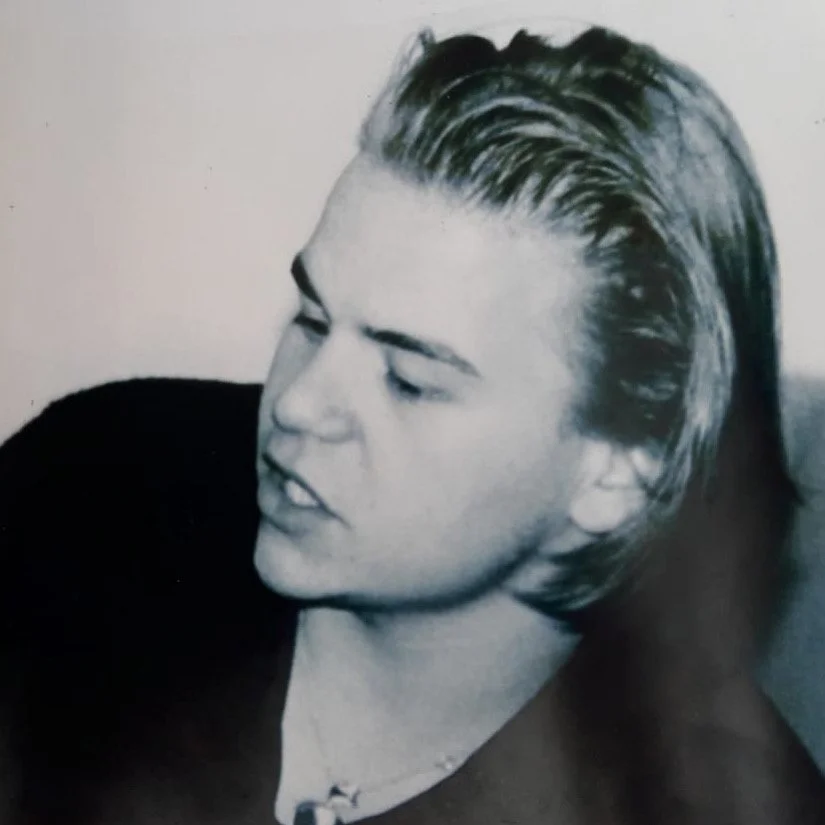
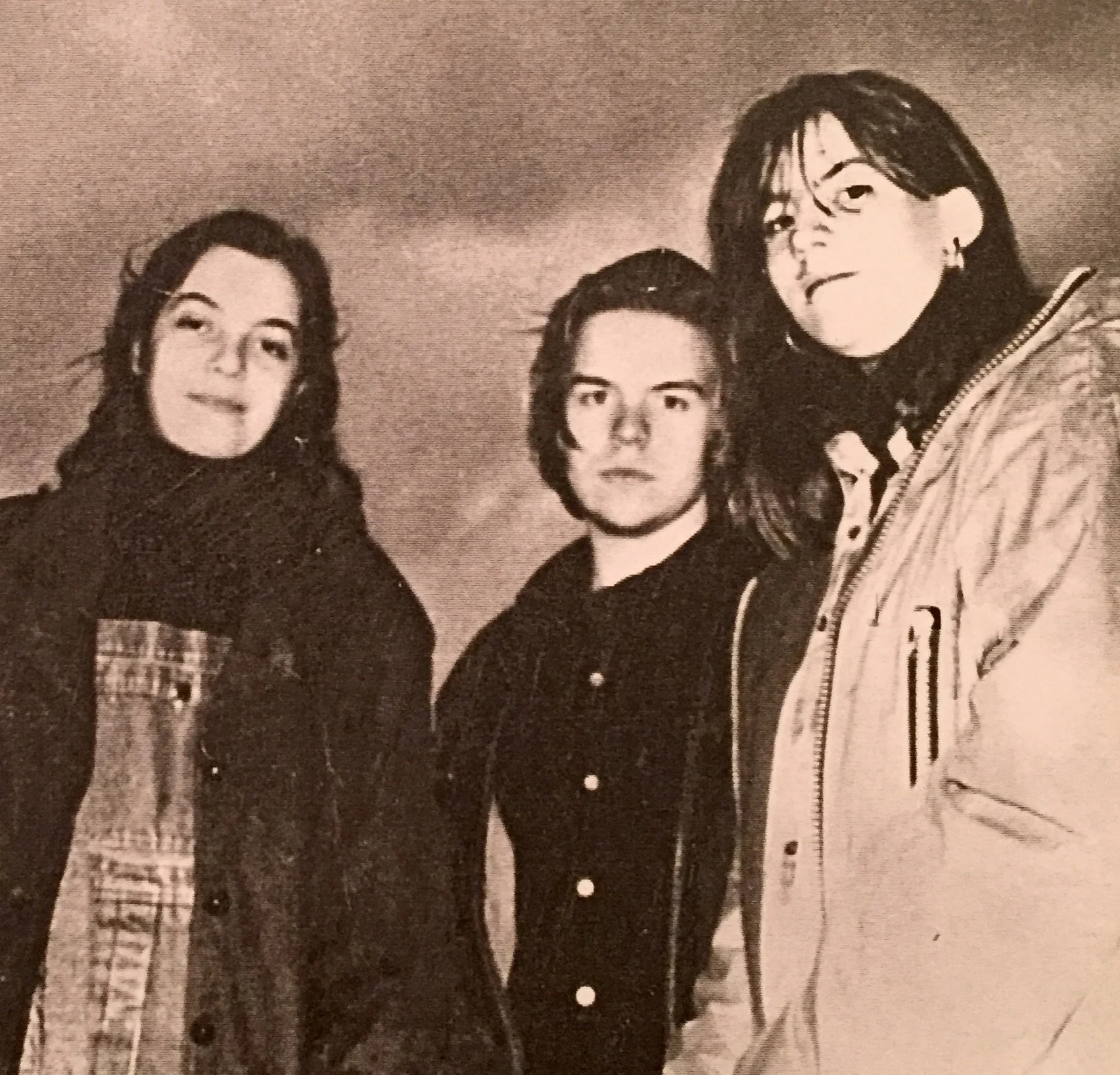
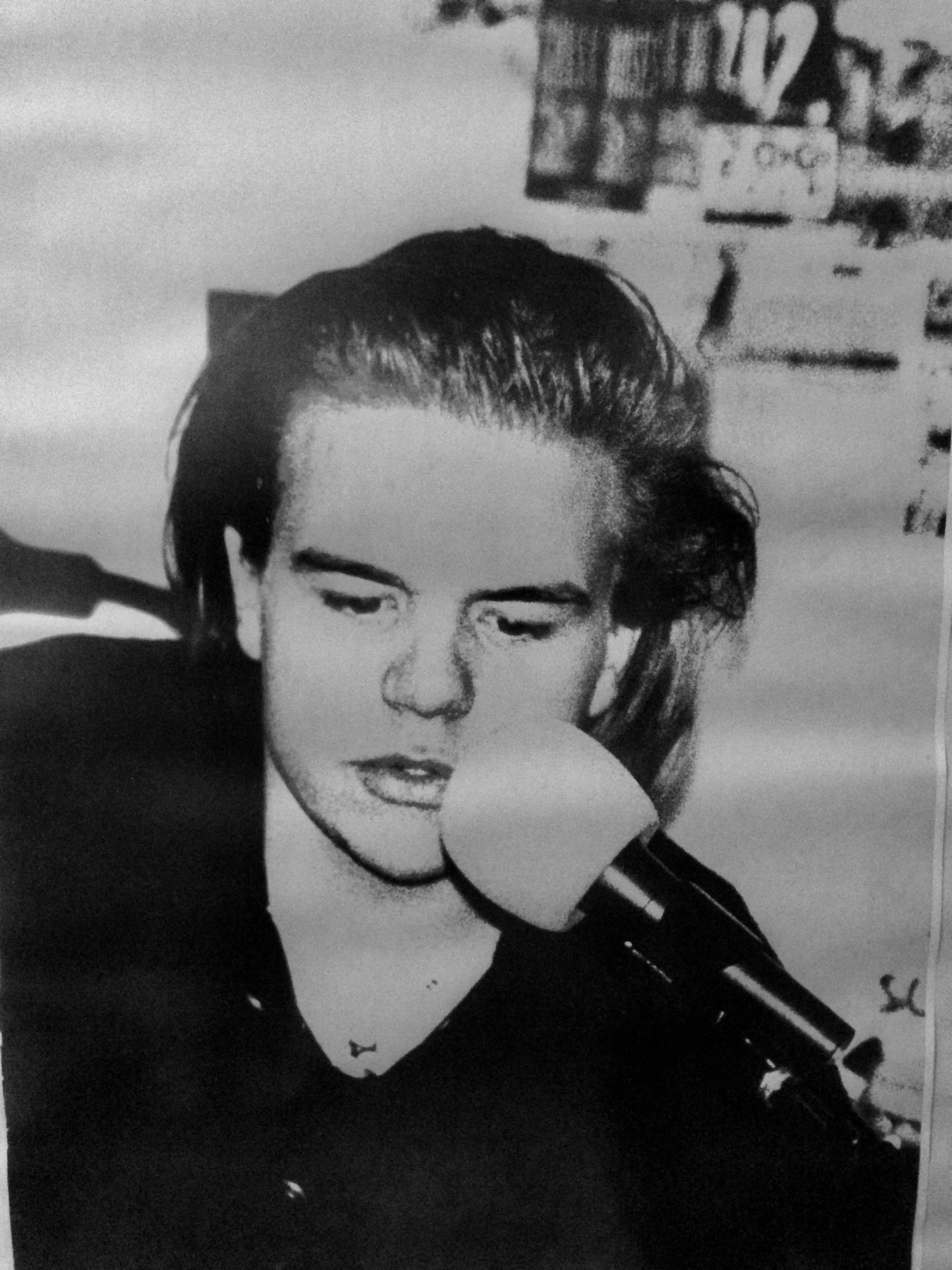
Music back then was not content. It was not a strategy. It was a room you entered and stayed in for hours. It taught me rhythm, restraint, repetition, and patience. All the things that later showed up in my paintings, just translated into another language.
That relationship never left. Even when I stopped performing publicly, music remained the parallel track beneath my visual work. I painted musicians because they felt like kin. Björk. Nick Cave. Bono. Amy Winehouse. Kurt Cobain. Florence Welch. David Bowie. Unknown to them, they became my companions through it all. Music has always been the place where emotion is allowed to arrive before explanation.
When I began working on Ghosts of the Ice, music returned in a different form. This time, it came first.
I wrote the lyrics before anything else. Alone. Slowly. The album began as a private language, a way of speaking while painting. And yes, it sounds a little strange, but it is true. While I paint, I talk to “ghosts”. Musicians who are gone. Artists whose work shaped my hands before I knew what I was doing. Sometimes I imagine conversations. Sometimes they show up in dreams. Sometimes they just hover nearby, like a presence that does not need words.
The four songs grew out of that space:
• Ghosts of the Ice
• I Dream with the Ones Who Are Gone
• I Share My Dreams with Ghosts
• The Ones Who Dream Through Me
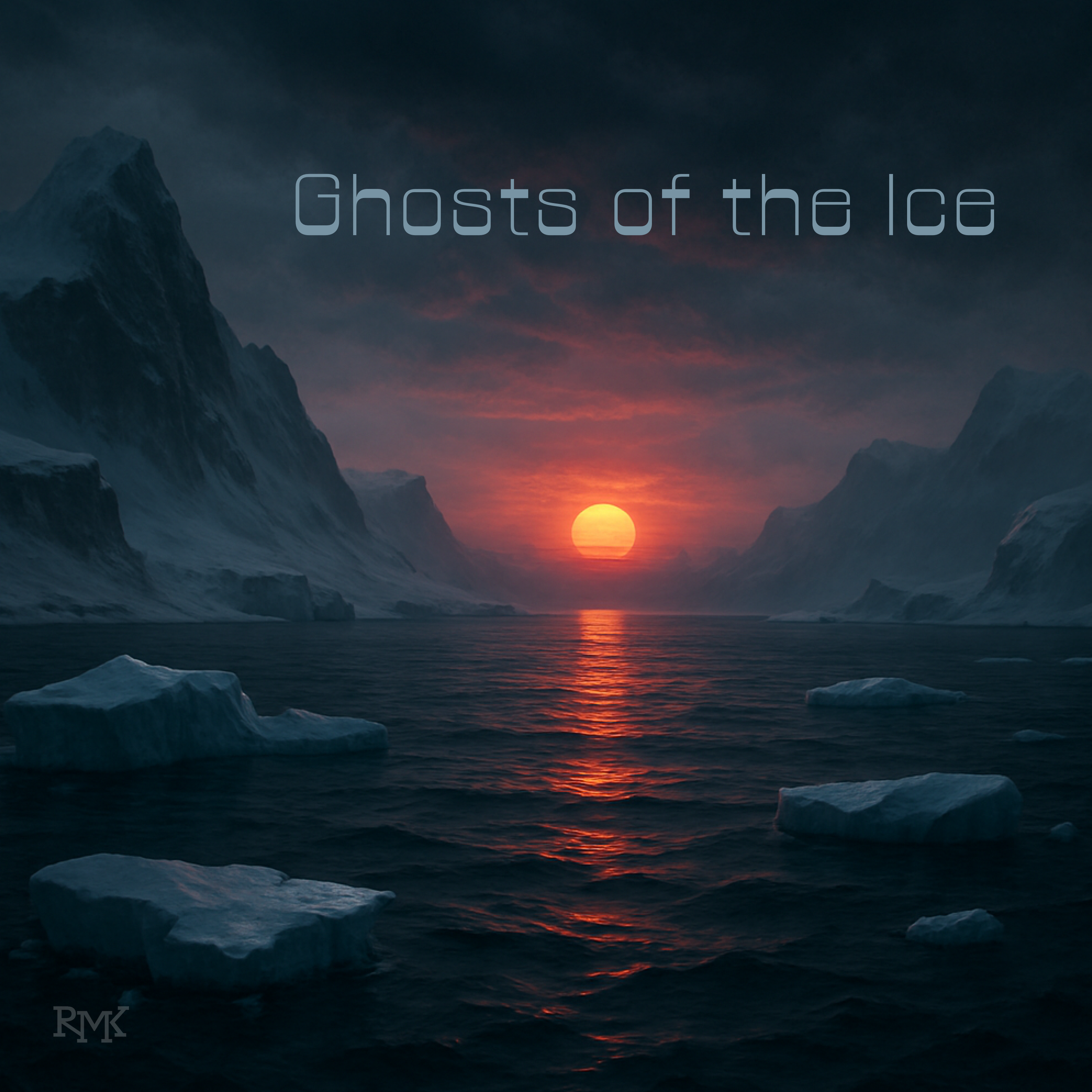
Ghosts of the Ice - Album Cover
These are not metaphors. They are descriptions.
The lyrics carry the reason behind the project. Not the science. Not the data. The feeling. The sense that loss is not empty. That disappearance still speaks. That what is gone does not stop shaping what remains.
The music itself came later, built around the words. I wanted the songs to feel like they were breathing, not performing. Something closer to memory than melody. The album is not meant to be background. It is meant to sit next to the paintings, not underneath them.
I did release the music on Spotify, and it is still there for now. But I am conflicted about it. Spotify pays artists fractions of a cent per stream, often quoted around three ten thousandths of a dollar. More troubling to me is that the platform has hosted recruitment advertising tied to ICE and the Department of Homeland Security. I am letting my subscription and distribution run out for the year I already paid for. After that, the music will leave Spotify.
If you do want to support the work, the music can be purchased directly through my site. All four tracks are available here: rmkartist.com/paintings/p/album Owning something still matters.
My fascination with Icelandic music deepened all of this. After many visits, I became obsessed not just with Björk, but with the sheer density of talent in such a small place. Rakel, who I am honored to call a friend and collaborator. Lúpína. Elín Hall. MSEA. Gyða Valtýsdóttir. Rafnar. The list keeps growing. Iceland feels like a place where music is not an industry first, but a necessity.
I have attended Iceland Airwaves several times, and it remains one of the most human music festivals I know. Bands play in bookstores, bars, basements, places where sound feels close enough to touch. There is no spectacle trying to distract you from listening.
That is what I want the music behind Ghosts of the Ice to do. To ask for attention without demanding it. To sit beside the paintings the way a memory sits beside a fact. To remind us that art does not need to shout to matter.
Music taught me how to feel before I knew how to explain. Painting taught me how to stay with that feeling longer. This album lives in the space between the two.
And like the ice itself, it is quiet. But it is not empty.
“Oh, tell me, we both matter, don’t we? ”