Entry 024: Eighty People in a Room
A publisher wrote to me this week. He had read the proposal for Rebrands Without the Bullsh*t, my book on twenty-five years of rebranding work in the Bay Area. He liked the voice. He liked the approach. He called it true and valid. Then he said no.
The reason was not the writing. It was not the subject. It was not the quality of the thinking or the depth of the experience behind it. The reason was that my marketing reach and presence is not robust enough. He explained that authors today need to be speaking three or more times a month on national stages, need a social media following in the tens of thousands, need partnerships with organizations that will commit to bulk buys. He was polite. He was specific. He was not wrong about how the system works. He even followed up to say he wished books operated as a meritocracy rather than a fame game, that he liked what I had to say, that he hoped I would keep building.
I appreciated his honesty. He is someone who cares about books, who reads carefully, who takes the time to respond with substance instead of a form letter. The system he works inside did not ask for his opinion on the writing. It asked for the numbers. I also sat with his sentence for a long time. If only books worked like a meritocracy.
A gallery owner told me something similar a while back. She believed in the art. She had shown my work before. She had bought a piece herself. She is one of the first people who reads this blog, someone who genuinely supports artists and takes risks on work she believes in. But when I told her I was no longer on social media, she paused. She said she needed artists who bring a social circle with them. She was building an audience and needed to merge audiences. She was not being cruel. She was being honest about the constraints she faces as a small gallery owner trying to survive. The system she operates inside has its own rules, and followers are the currency it demands of everyone, artists and galleries alike.
A potential sponsor got excited about the project. We talked. I presented. There was momentum. Then it did not happen. No dramatic fallout. Just the quiet withdrawal of interest that anyone who has pitched anything long enough learns to recognize. The door opens a crack, you feel the air, and then it closes. You stand there for a moment. Then you keep walking.
Three doors. Three versions of the same sentence. We love it, but.
Here is what I keep thinking about. When did followers become the measure of authority? When did the number on a screen start outweighing the work behind it? A publisher can look at twenty-five years of rebranding in the Bay Area, campaigns, awards, teams led, problems solved for real companies with real stakes, and still ask: but how many people follow you? As if the work were a rumor until the algorithm confirms it.
Followers are the most fragile metric we have ever invented. They arrive on a whim and leave at the first disagreement. They are bought, inflated, gamed. An account with fifty thousand followers may have three hundred people who actually read the posts. An artist with two hundred engaged supporters may sell out a show. The number measures nothing about commitment, taste, loyalty, or trust. It measures visibility inside a system designed to reward frequency and provocation. That is all.
I have spoken on stages. The HOW Design Conference in Chicago and Los Angeles. The Maggie Awards. I did not chase those invitations. The work put me there. But I am not a performer. I have never been the loudest person in a room. Not as a creative director, not as a speaker, not at a dinner table. I listen. I sit with things. I internalize before I respond. Then I make something. That process does not photograph well. It does not generate content. It does not feed the algorithm. But it is the only process that has ever produced work I believed in.
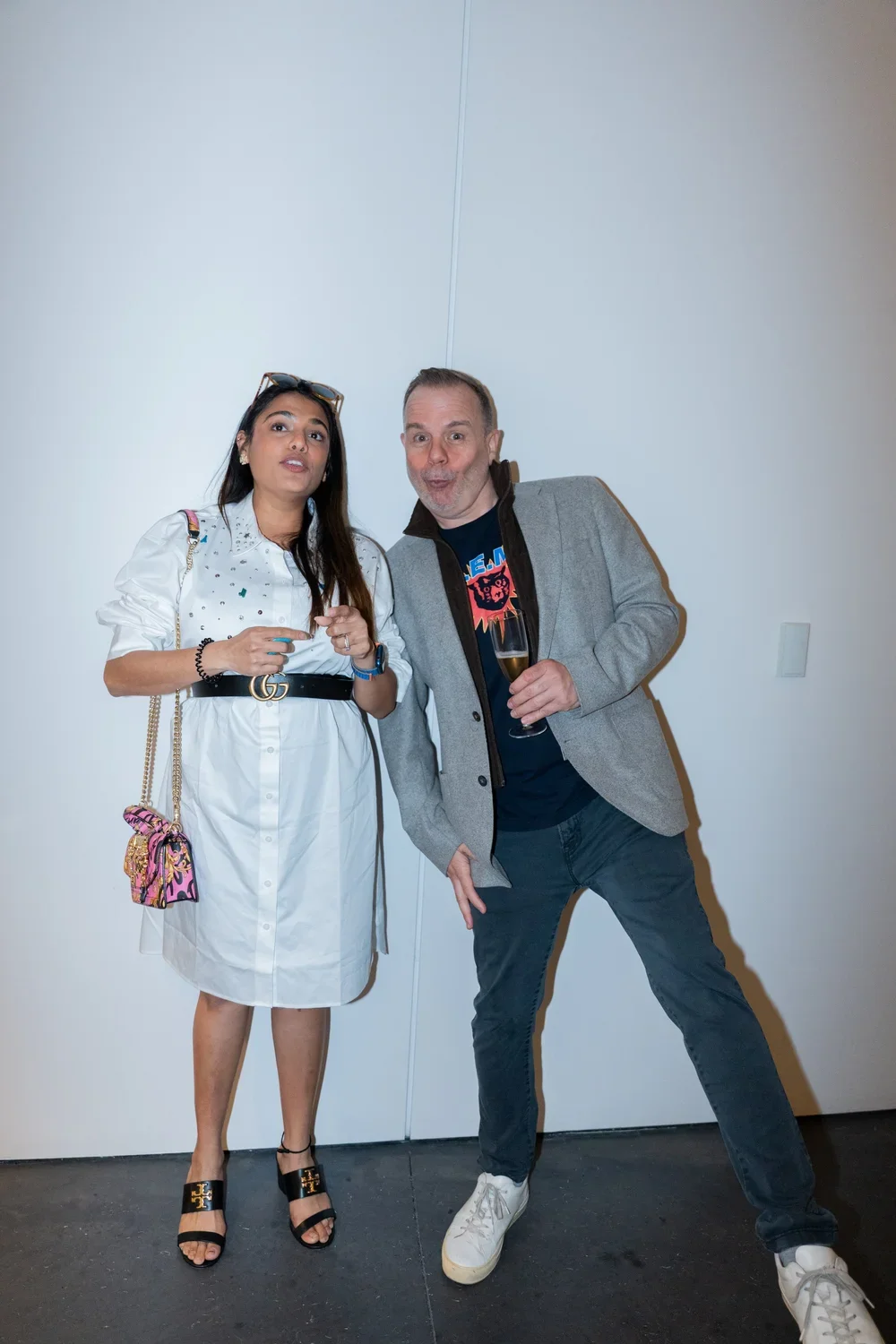
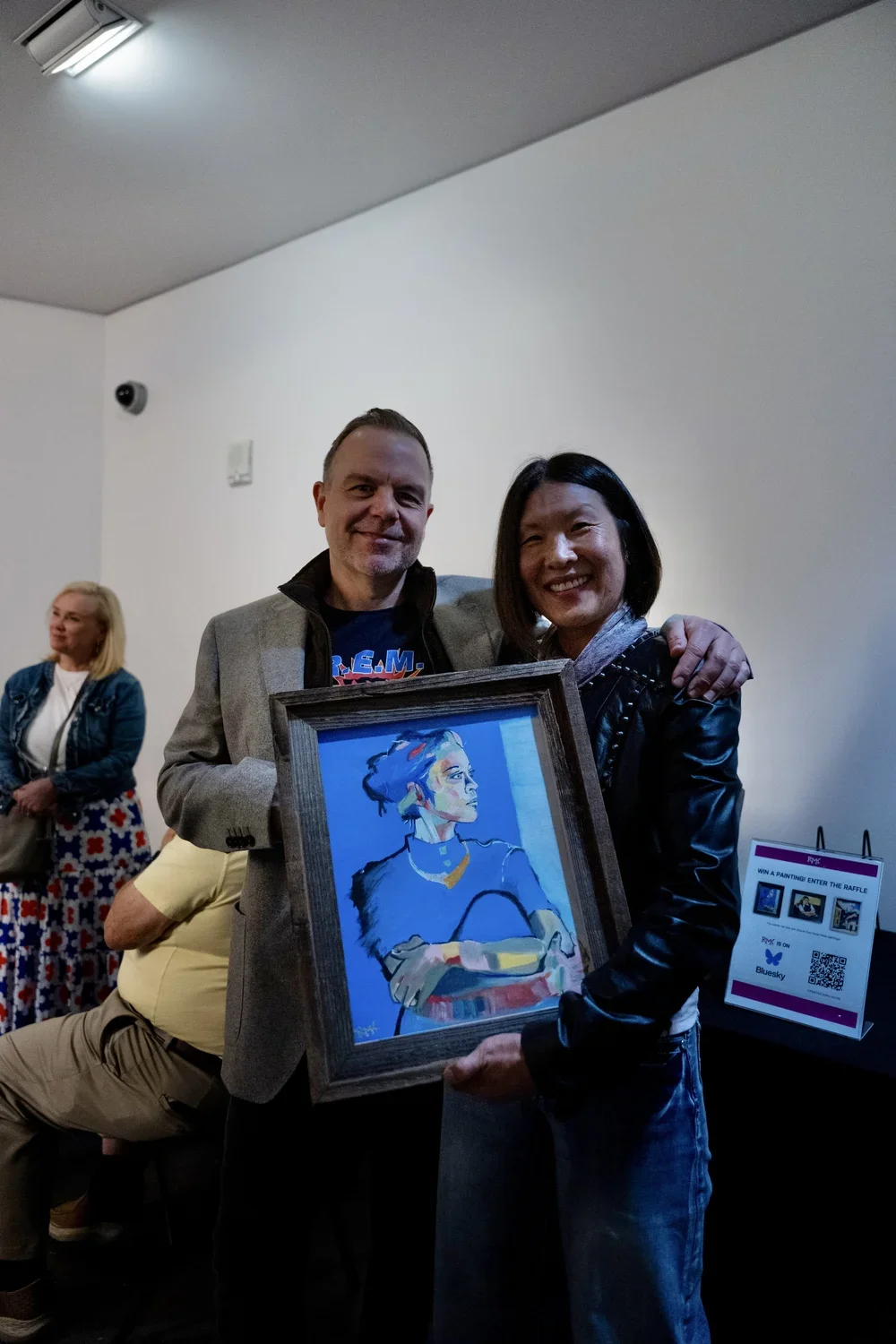
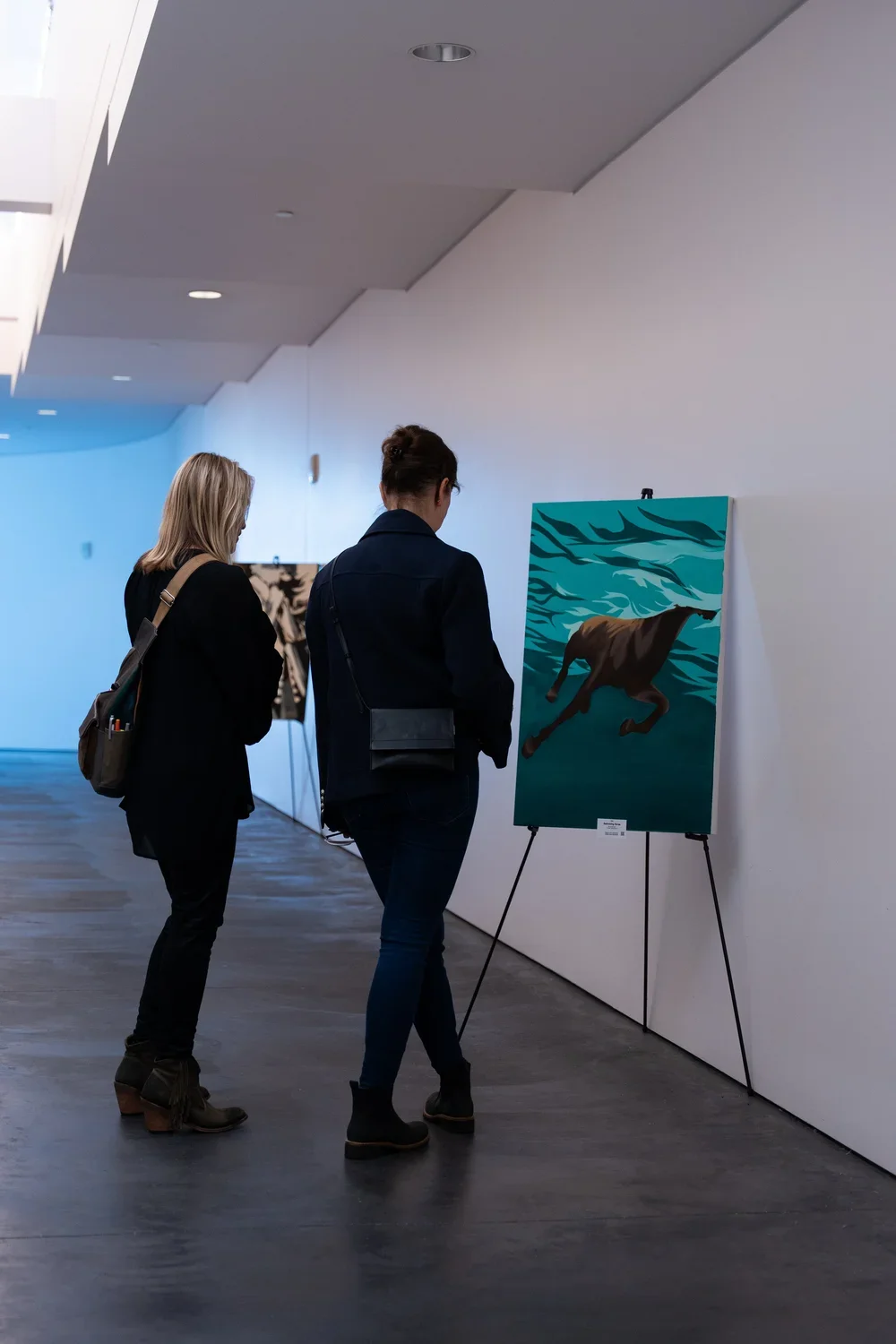
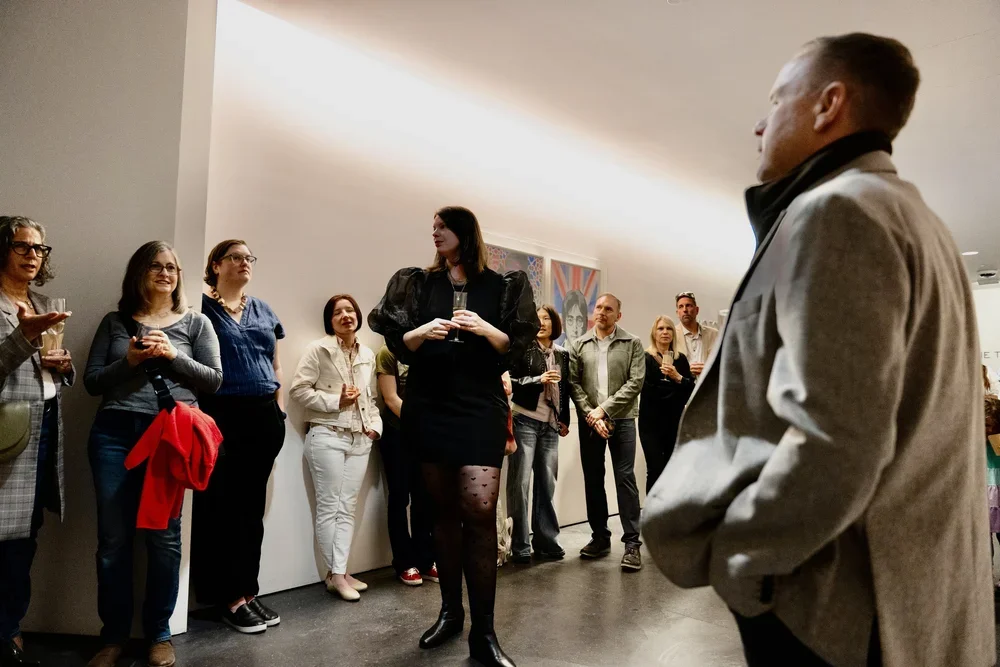
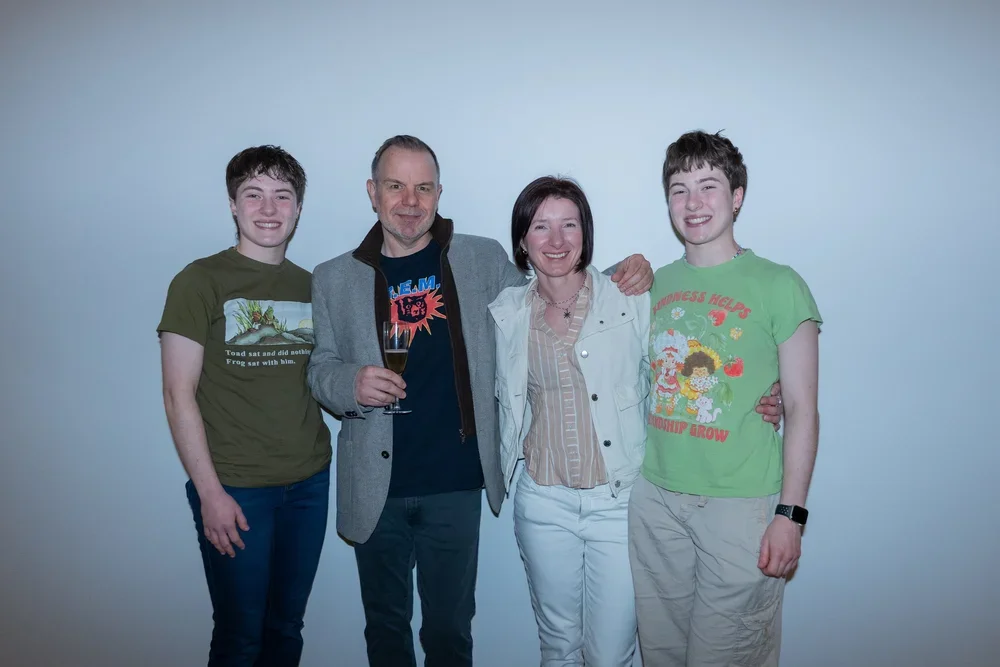
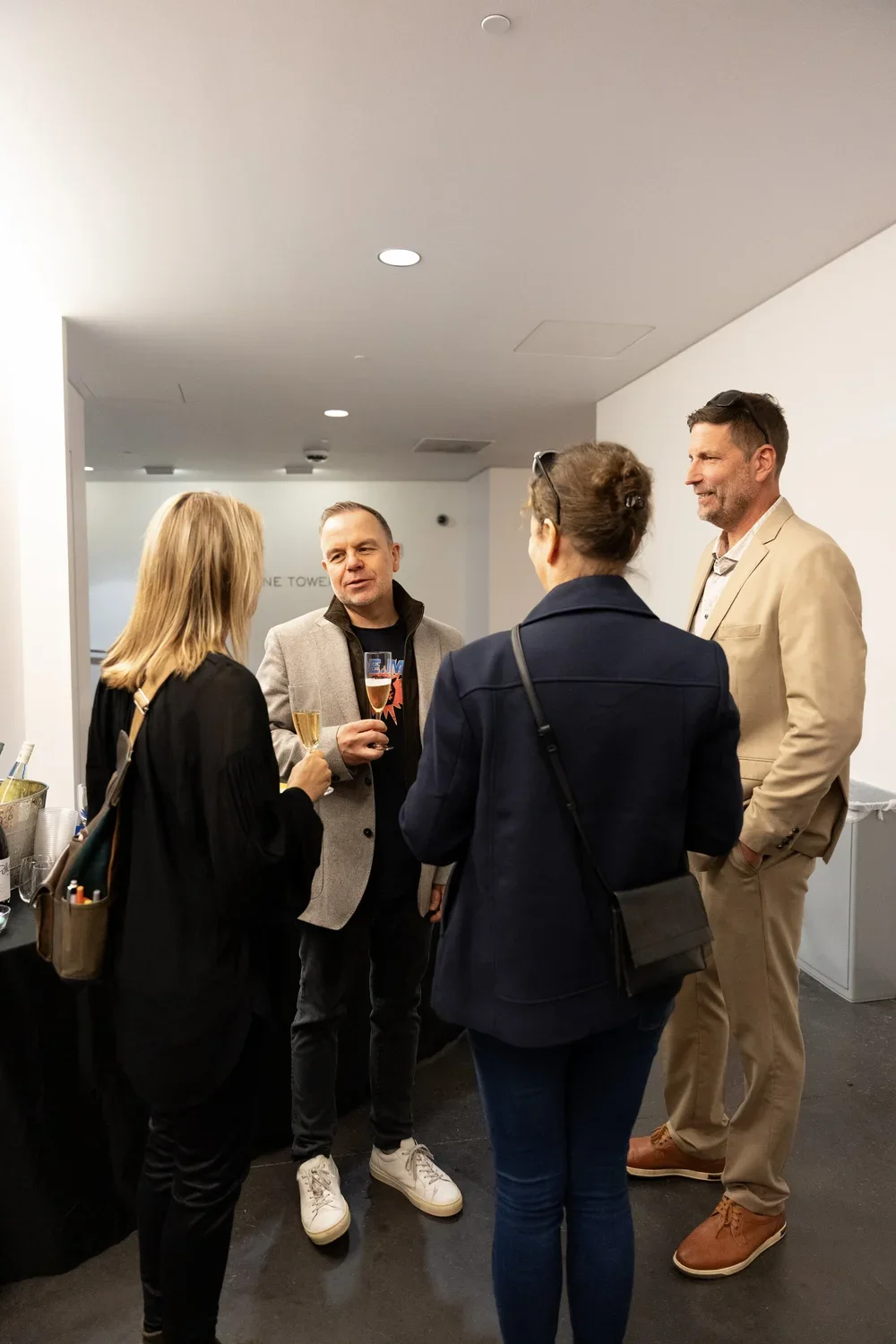
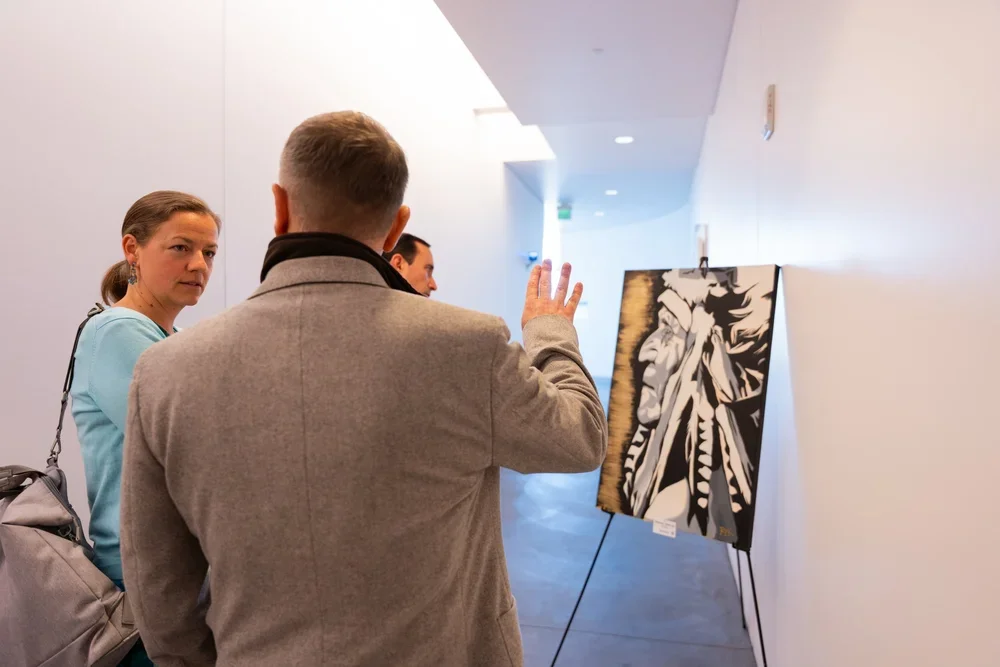
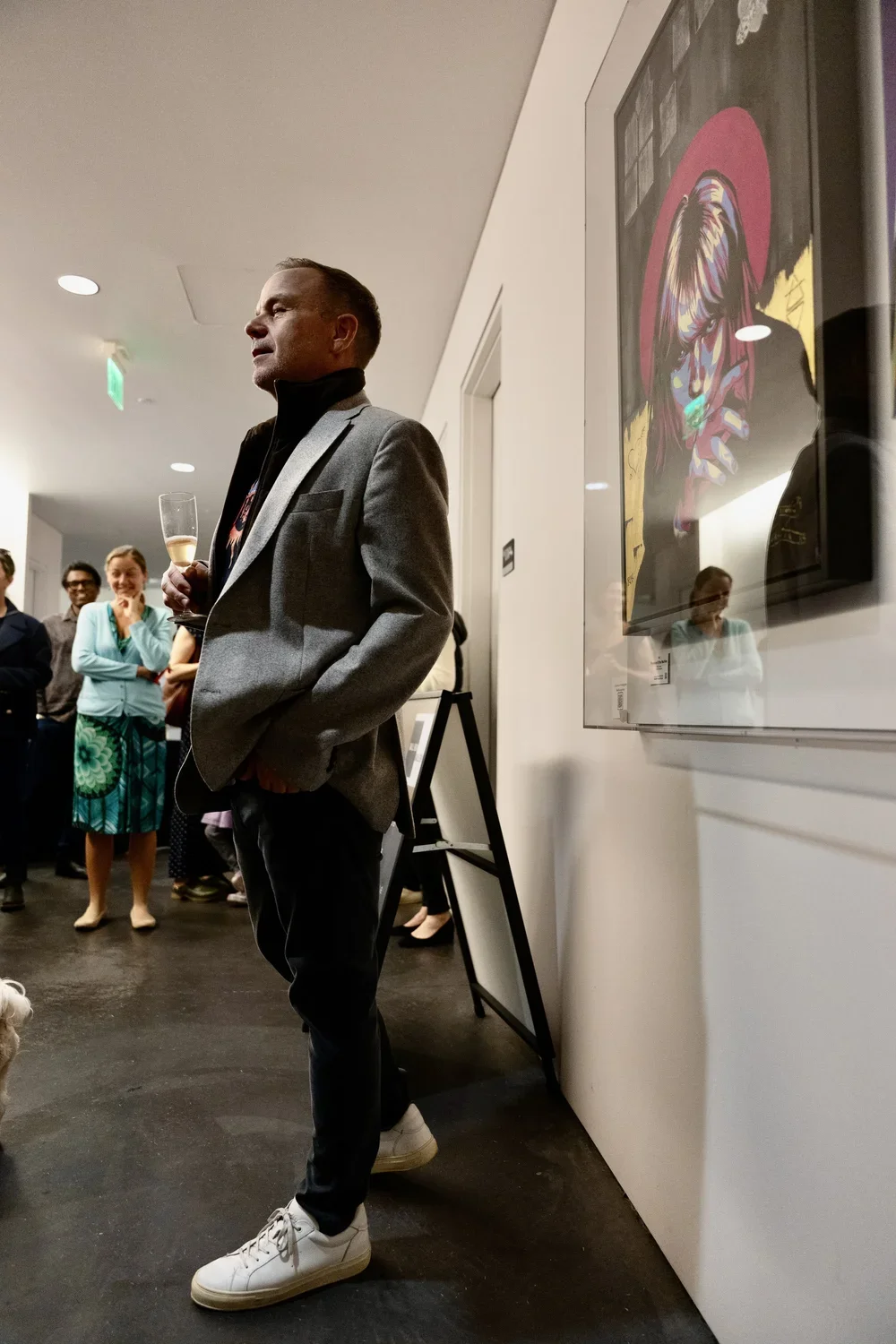
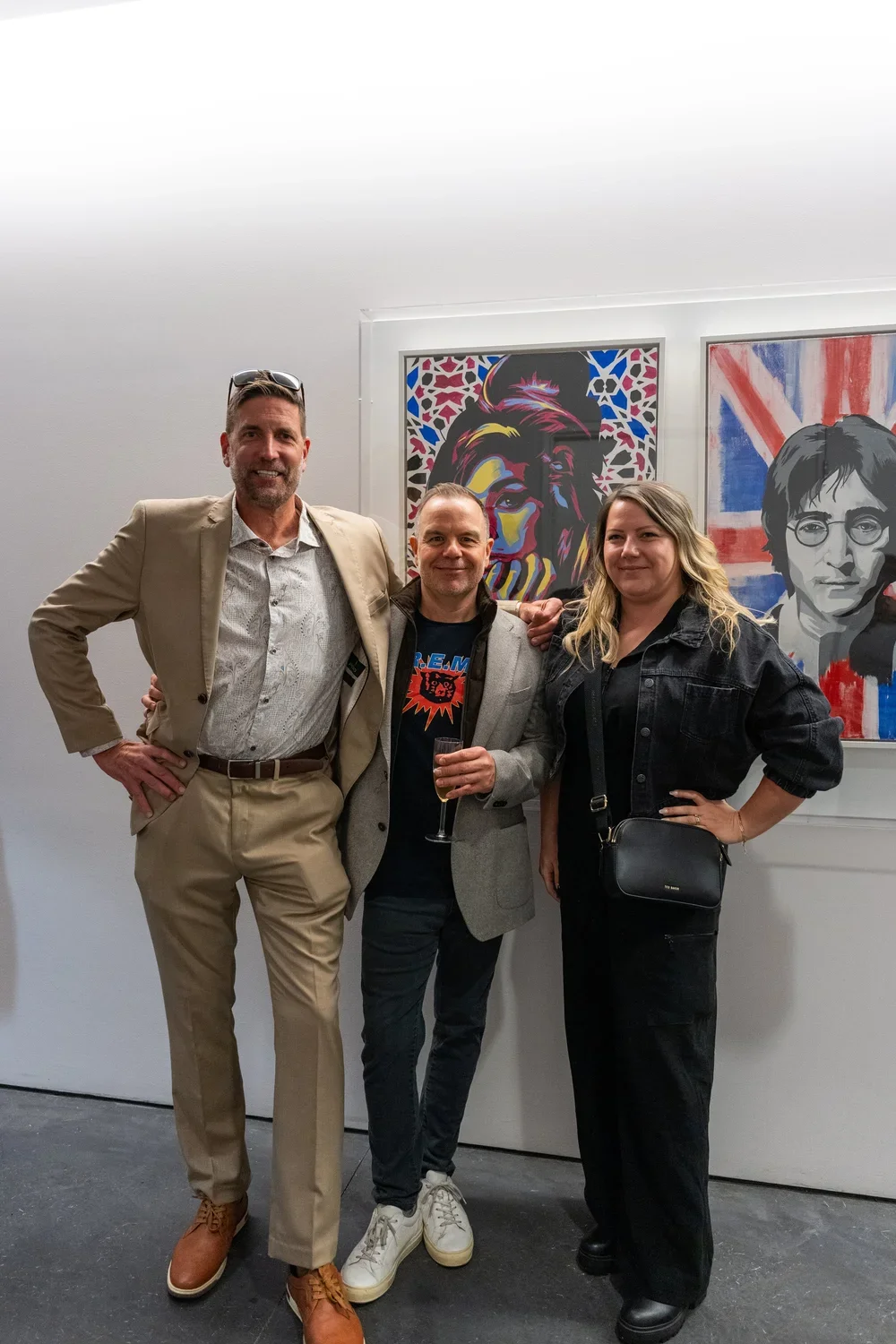
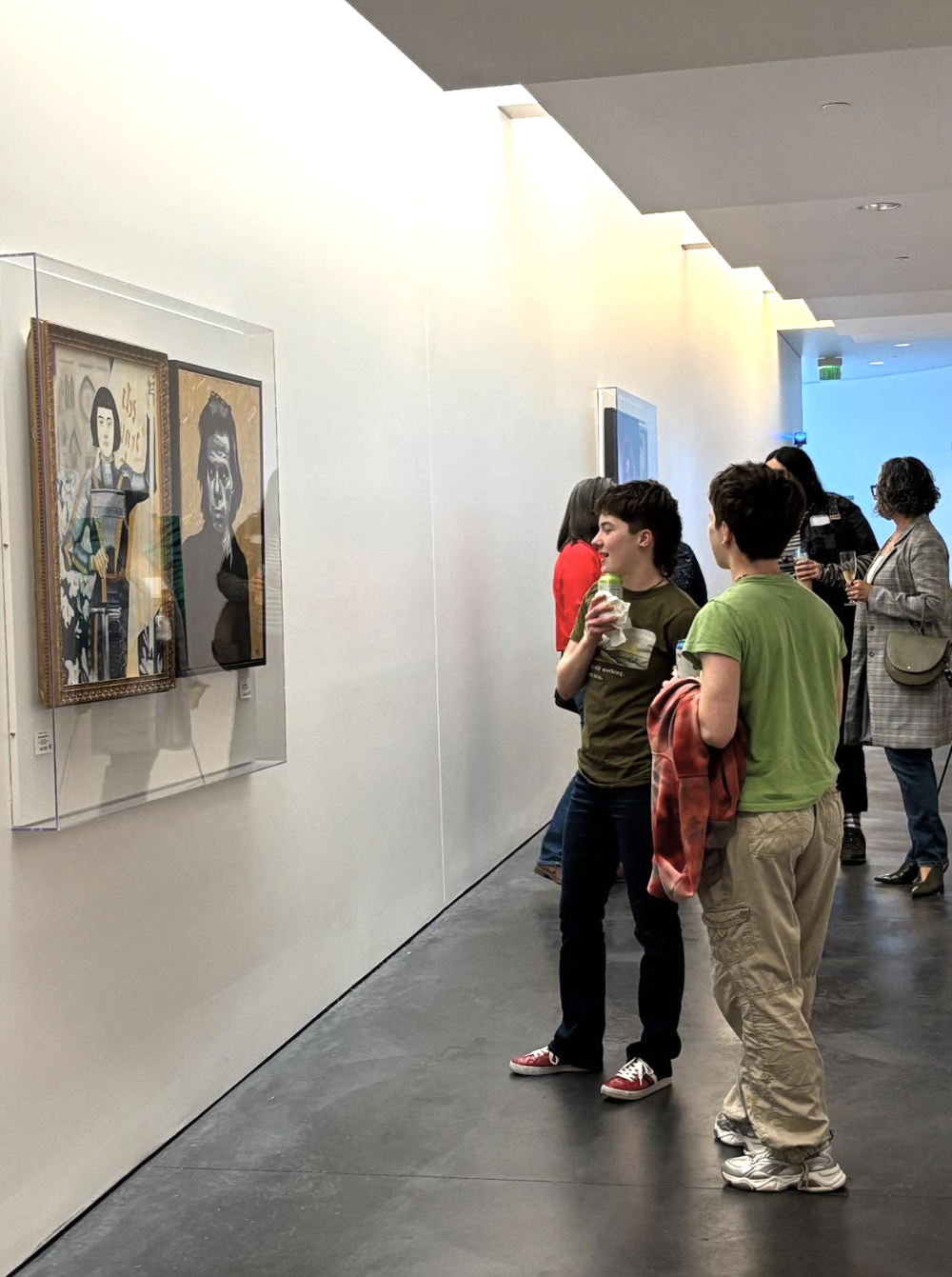
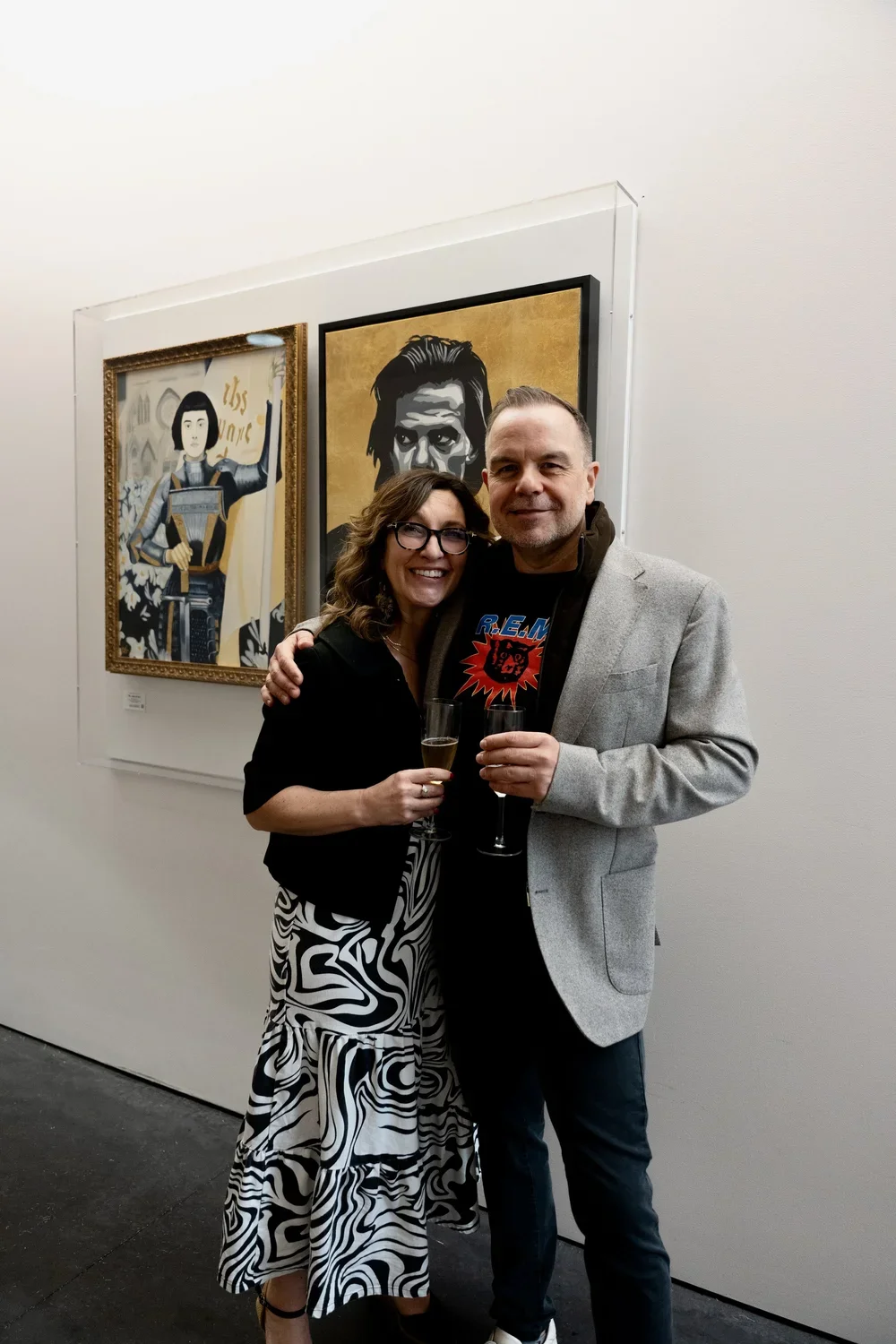
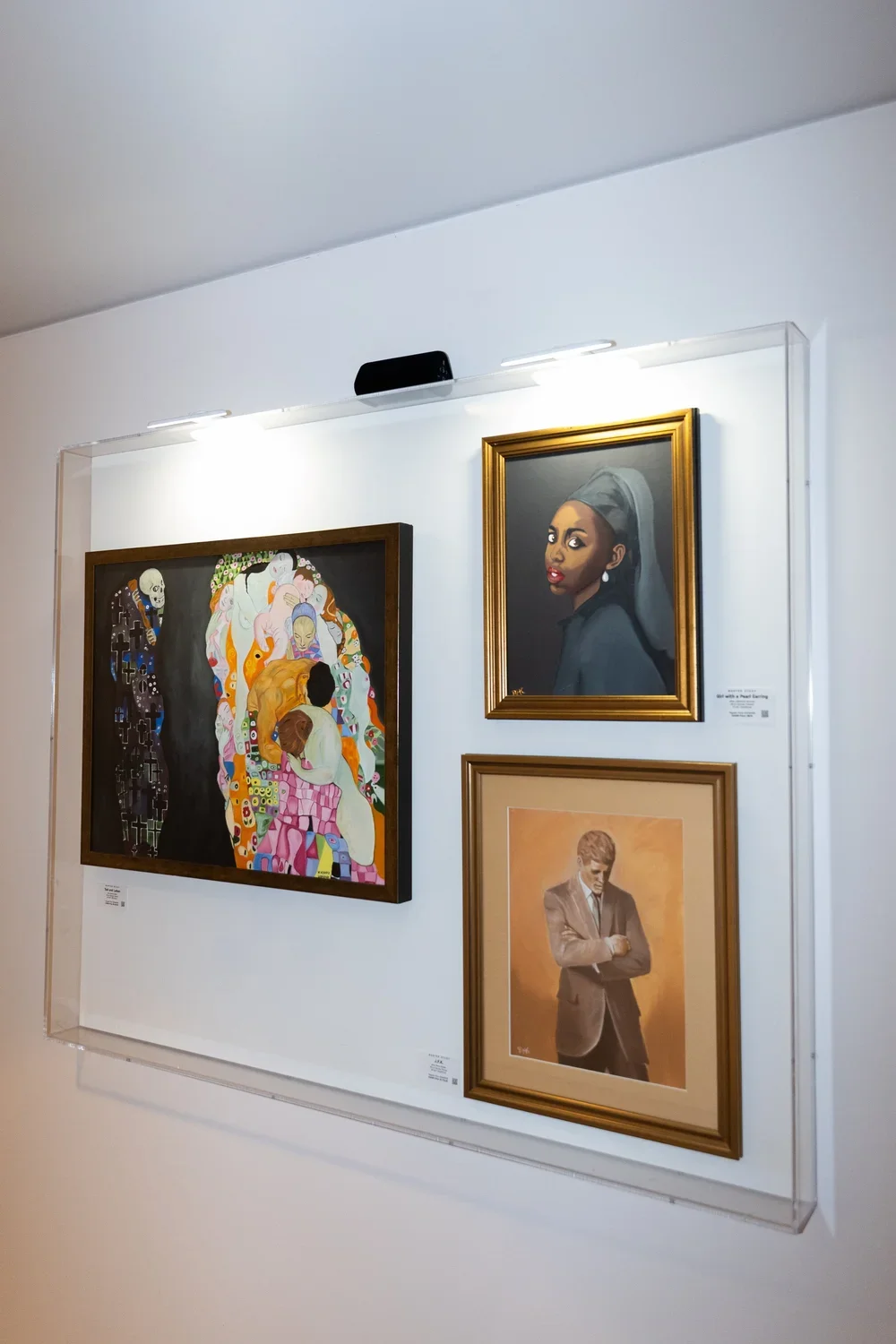
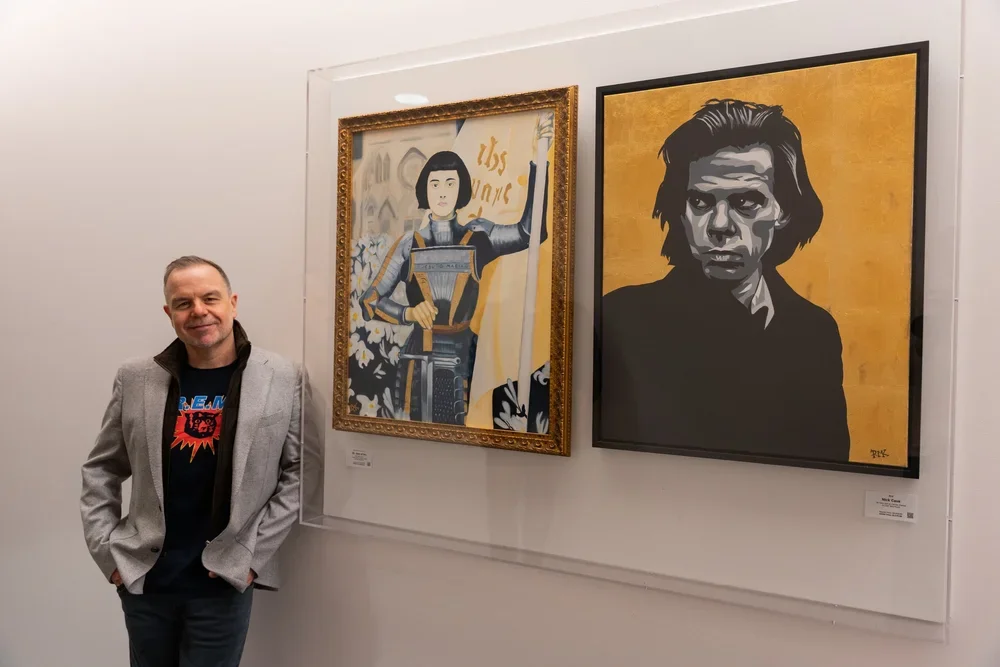
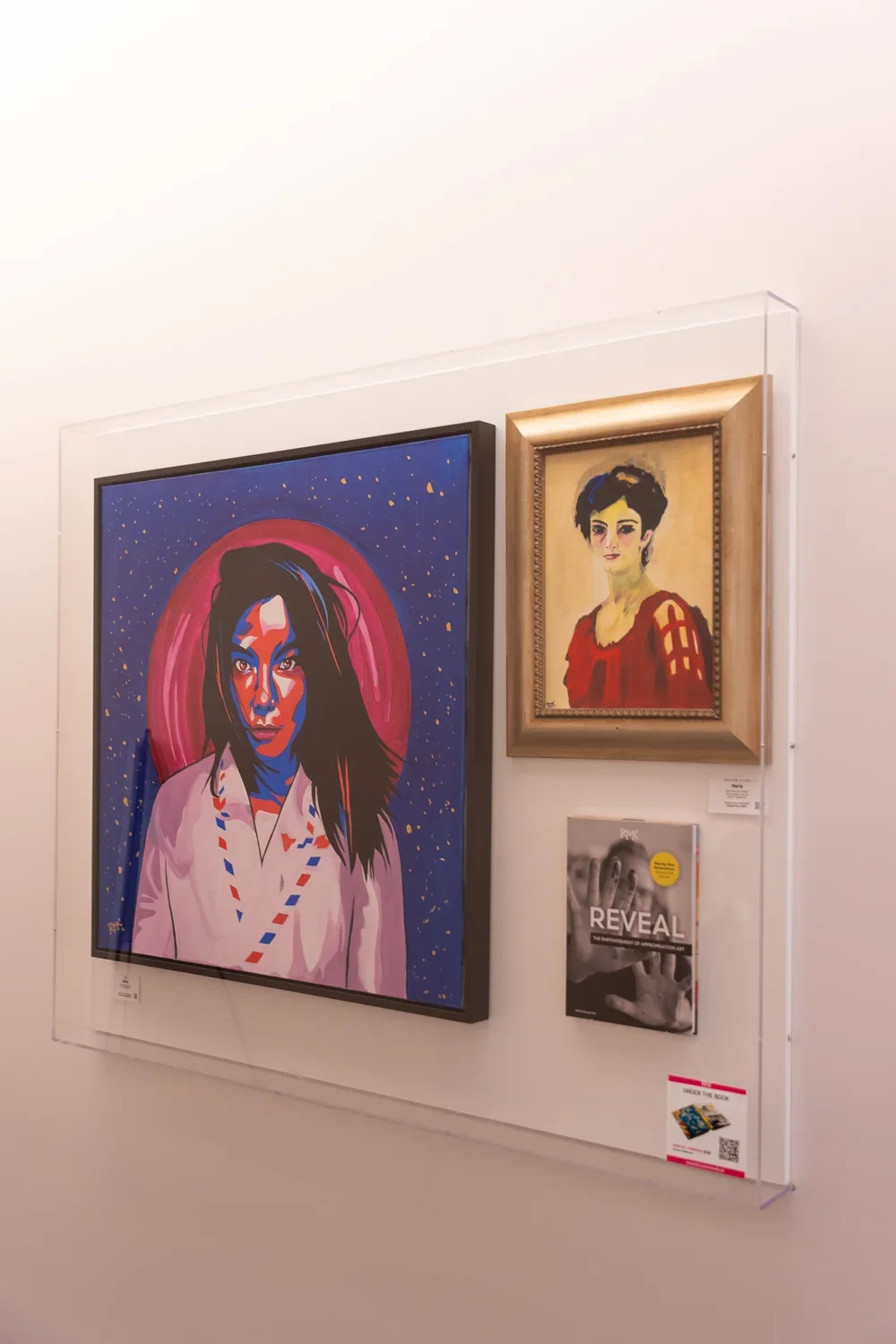
When the gallery owner expressed her concern about social media, I told her I had been in the Bay Area for twenty-five years. I had built real relationships across every community I had been part of. I had started the Austrian Stammtisch back in 2010. I knew people. Not followers. Real People. She gave me the show. We had to cap the VIP list for opening day at eighty. Biggest opening the Gallery ever had. Every person on that list was someone I had met, worked with, or connected with over two and a half decades. Not one of them came because of an Instagram post. They came because I had showed up in their lives, in person, year after year.
Eighty people in a room, looking at art, talking, staying. That is reach. The oldest and most honest form of it. But it does not fit in a pitch deck.
Eighty People in the Room
So here is the question I cannot stop asking. How did we get here? How did we build a world where the value of art is measured by the performance around it rather than the art itself? Where a gallery needs your follower count before it looks at your canvas? Where a publisher needs your platform before it reads your pages? We are not just handing the keys to the Zuckerbergs and the Musks of the world. We are building the roads for them. Every time we accept that followers equal credibility, we reinforce a system that rewards noise over substance, frequency over depth, visibility over meaning. Where a fact carries the same weight as an opinion because both generate the same engagement. Is that the system you want to support? Every time you scroll, every time you follow, every time you measure someone's credibility by a number on a screen, you are casting a vote for that world. You are telling the algorithm that it is right.
The irony is that the people who built these platforms do not care about art. They do not care about books. They care about attention, because attention is inventory, and inventory is revenue. When we measure an artist by their social media presence, we are measuring them by how much free labor they have performed for a billionaire's advertising engine. That is what a follower count is. It is a record of how much of your creative life you have donated to someone else's balance sheet.
Two days ago, a jury in Los Angeles ruled that Meta and YouTube were negligent in designing platforms that addict their users. They called it Big Tech's Big Tobacco moment. Entry Sixteen of this blog was published months ago. The jury is catching up. In Entry Sixteen I wrote about leaving social media, about refusing to participate in the extraction economy. That was the principle. This entry is the cost of that principle. The doors that close. The polite rejections that have nothing to do with the work and everything to do with the number.
But I also know something the number does not capture. I know that eighty people stood in a gallery because of twenty-five years of showing up. I know that a publisher liked the voice enough to say so even while saying no. I know that the work exists regardless of who agrees to distribute it. The book is written. The paintings are made. The music is recorded. The essays are twenty-three deep and counting.
What I want to change is the room itself. I want galleries to look at the work before they look at the number. I want publishers to read the manuscript before they count the followers. I want the question to be: is this good? Not: is this visible? I want us to stop building pedestals for metrics that measure nothing about quality, durability, or truth. I want us to remember that the greatest works of art in human history were made by people who had zero followers. Every single one of them.
The doors will keep closing. I will keep knocking. Not because I enjoy rejection. Because the work is not finished. And finished or not, it was never going to wait.
“Do not wait for the last judgment. It takes place every day.”