Entry 026: What You Lose Along the Way
The first loss I remember is a dog named Akus.
I was young enough that the world still felt permanent. A dog was not a creature with a lifespan. A dog was a fact. And then Akus was gone, and the fact broke, and I learned something no one teaches you directly. Things end. Even the ones you love. Especially the ones you love.
My grandfather died in 1984. I was nine years old. The neighbors outside his house said it quietly, thinking I could not hear, or thinking it would not matter if I did. He is just nine. He will not remember much. But I remember everything. I remember his hand holding mine. I remember the chocolate (Bensdorp bars) he always had for us. I remember going to his place after kindergarten, the smell of his house, his business where my father worked beside him. His promise that I’d receive a gold watch when I turned eighteen. He was bigger than life in the way only a grandparent can be when you are small enough to believe that size is the same thing as permanence. He joked constantly. He made the room lighter by being in it.
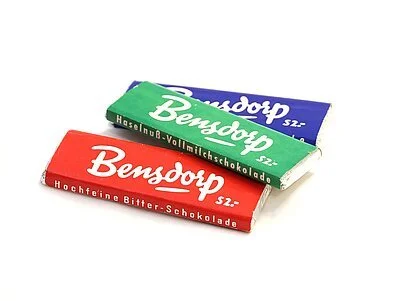
The one and only chocolate bar that mattered as a kid.
I remember my mother's grief more than my own. The way it changed her face. The way loss looks on someone you love before you are old enough to carry it yourself. She lost her father first, then her mother. I watched her grieve both of them. I did not understand it then. I was learning the vocabulary.
Then I left.
That is the loss no one prepares you for. Not death but distance. The day you leave home, you stop having one. I moved to America. I built a life in California. Twenty-six years now. But the pull never resolved. Close to my kids, far from my parents. Close to work, far from Europe. There is no place on the map where all the distances collapse into zero. You are always too far from someone.
They say three moves equal a fire. Nineteen moves Two of them across an ocean. I have lost things in every one of them. Not just objects. People. Proximity. The slow erosion of friendships that cannot survive distance and time together. The Bay Area is a train station. People arrive with plans and enthusiasm and stay for three years, five years, then leave for somewhere cheaper, somewhere closer to family, somewhere that feels more like a place to stay. The ones who remain are rare. I can count them without running out of fingers. I have been in the Bay Area for twenty-six years. I have watched people come and leave and come again. I learned early that investing everything in someone who will be gone in a few years is not coldness. It is pattern recognition. The architecture of my friendships have changed over the years. My friendships do not look like weekly phone calls and standing lunch dates. They look like twenty-five years of showing up, consistently, in the way I know how, until 80 people fill a room because you touched their lives and they remember. That is not a lesser form of friendship. It is a different architecture. Some people build with routine. I build with duration.
Relationships end too. That is its own category. Not death. Not distance. Something closer to a door that two people once held open for each other, slowly closing. Over twenty-five years I have loved and been loved and watched it end more than once. No names. No blame. Just the fact of it. You share a life with someone. You build routines, rhythms, a private language that belongs to no one else. And then one day it is over, and the language goes with it, and you walk through rooms that still hold the shape of someone who is no longer there. Each time it happens you learn something about yourself that you did not want to know.
My father died in 2016. I will not write everything about that here. Not yet. Some of it belongs to a later entry, closer to the ship, closer to the north. What I will say is that losing a parent reorganizes the architecture of your life in ways you do not notice until months later, when you reach for the phone and remember there is no one on the other end. Ten years now. The absence has not gotten smaller. It has just become familiar, the way a room with a missing wall becomes familiar. You stop noticing the wind, but the wall is still gone.
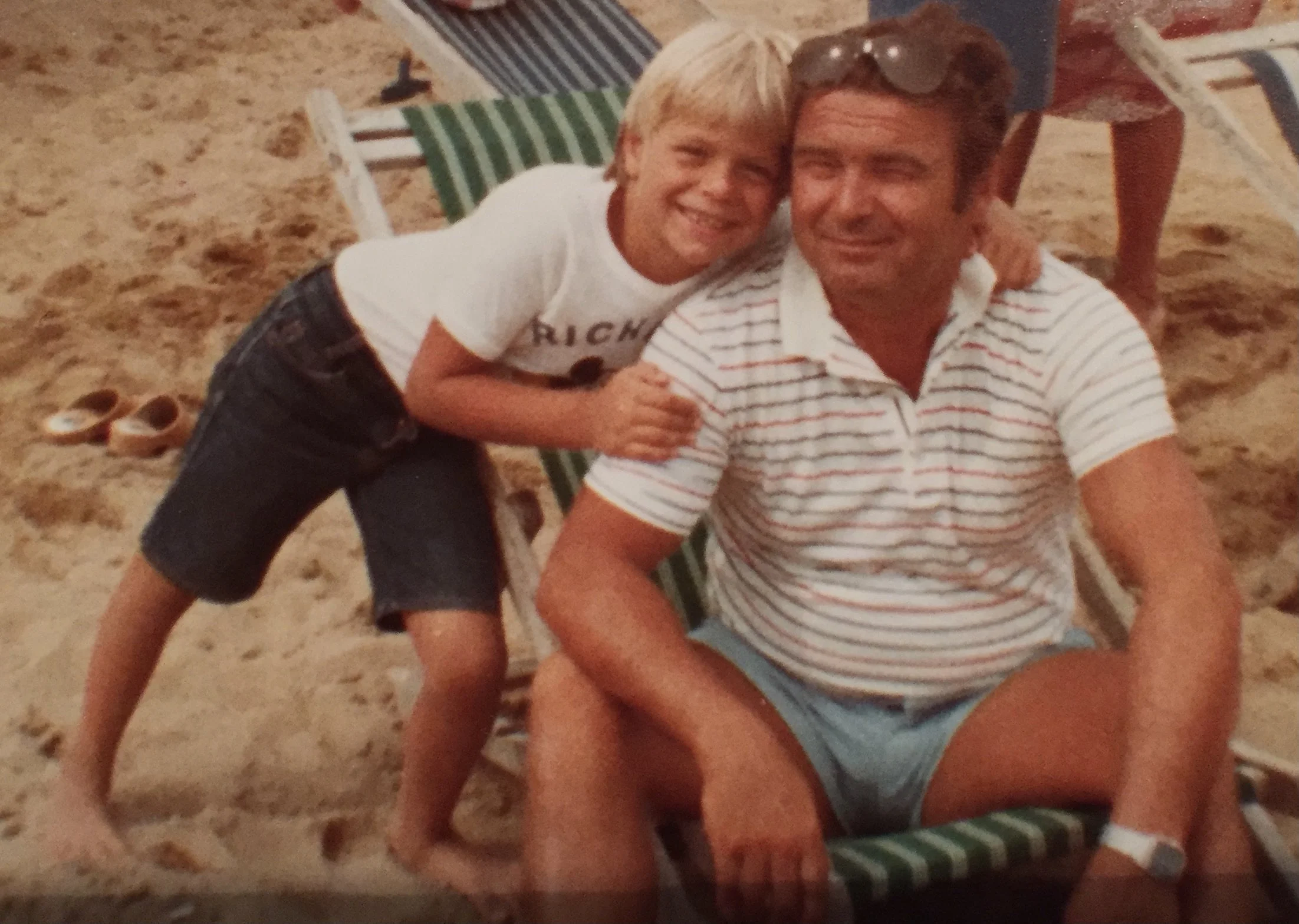
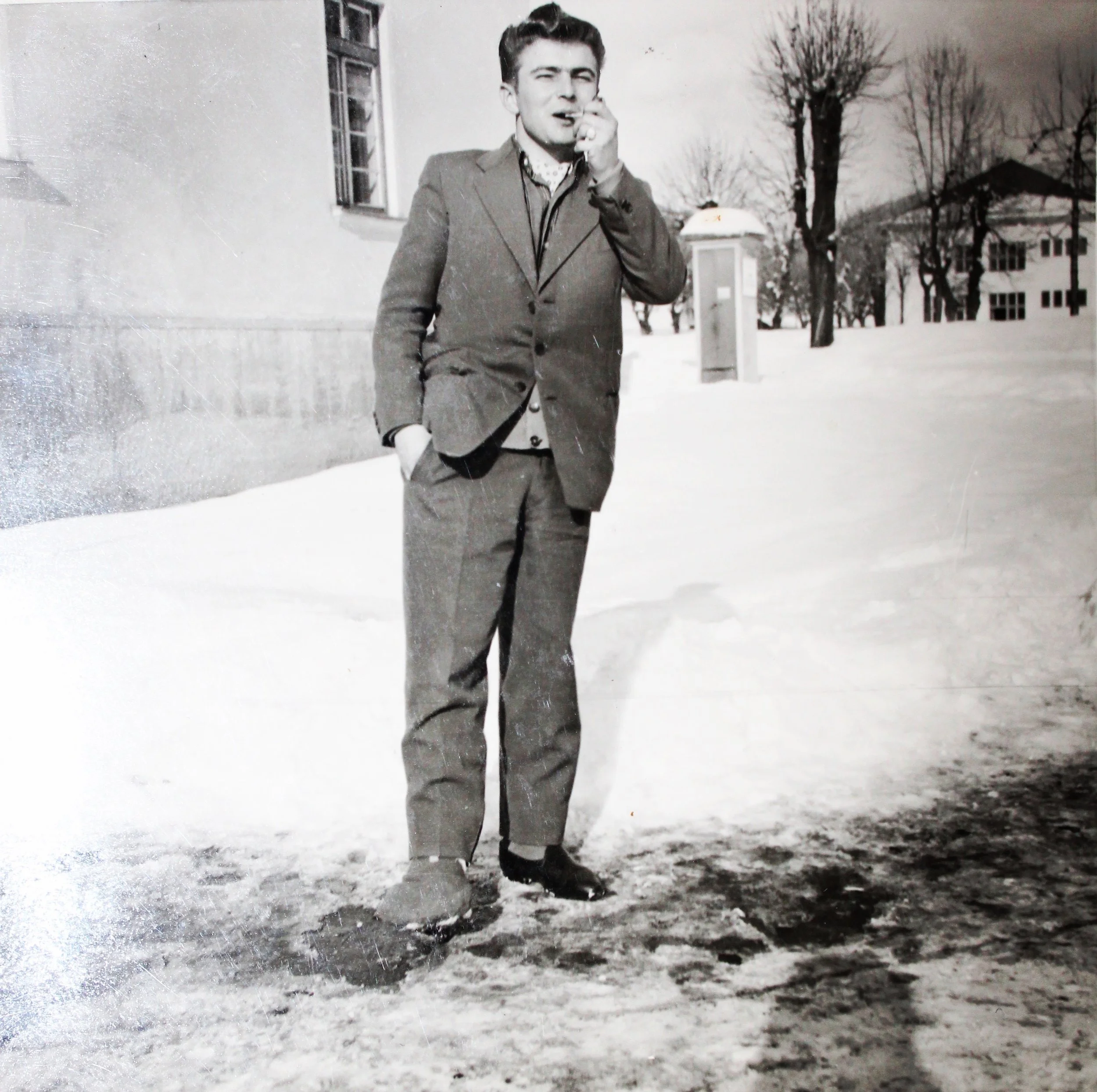
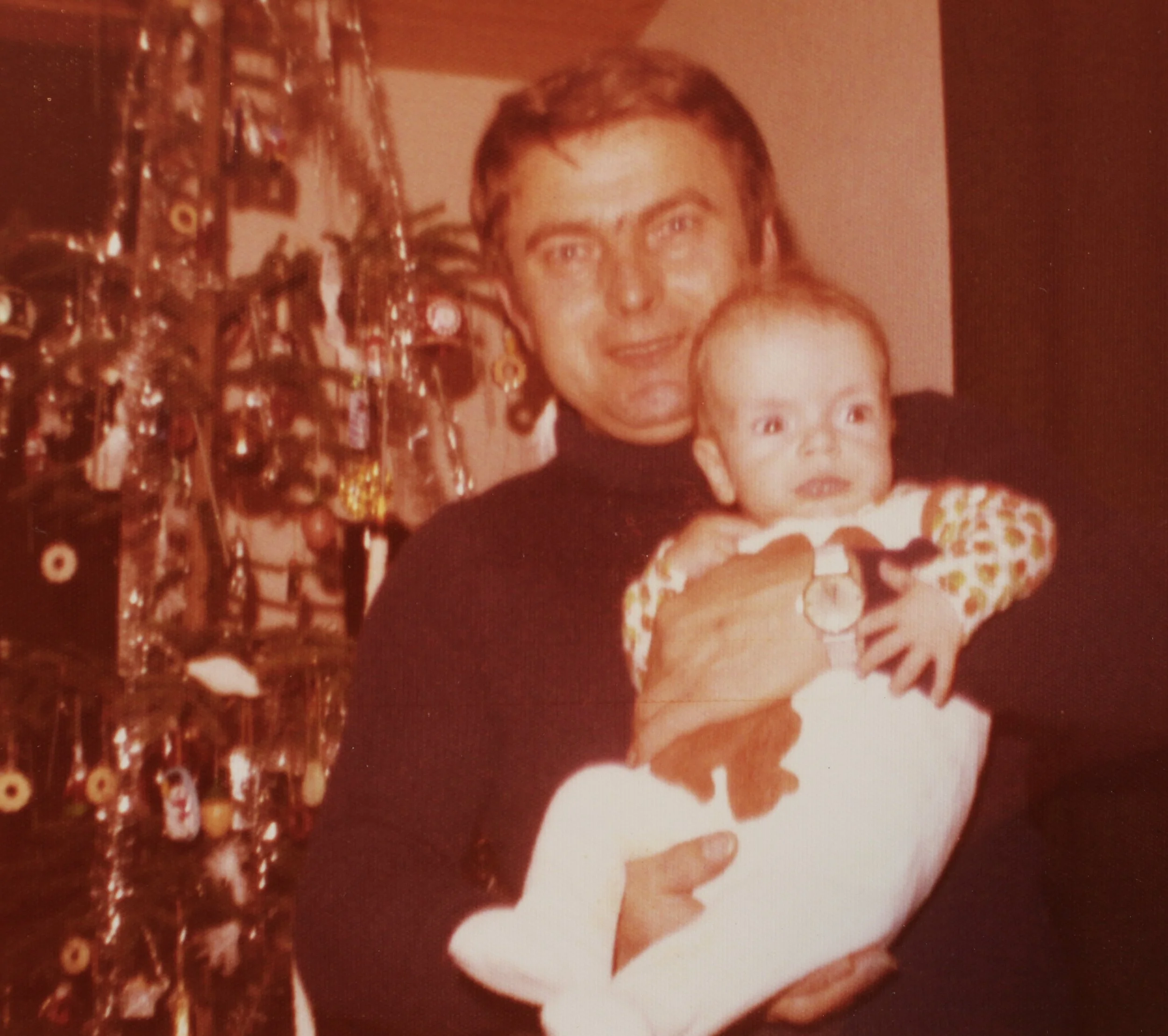
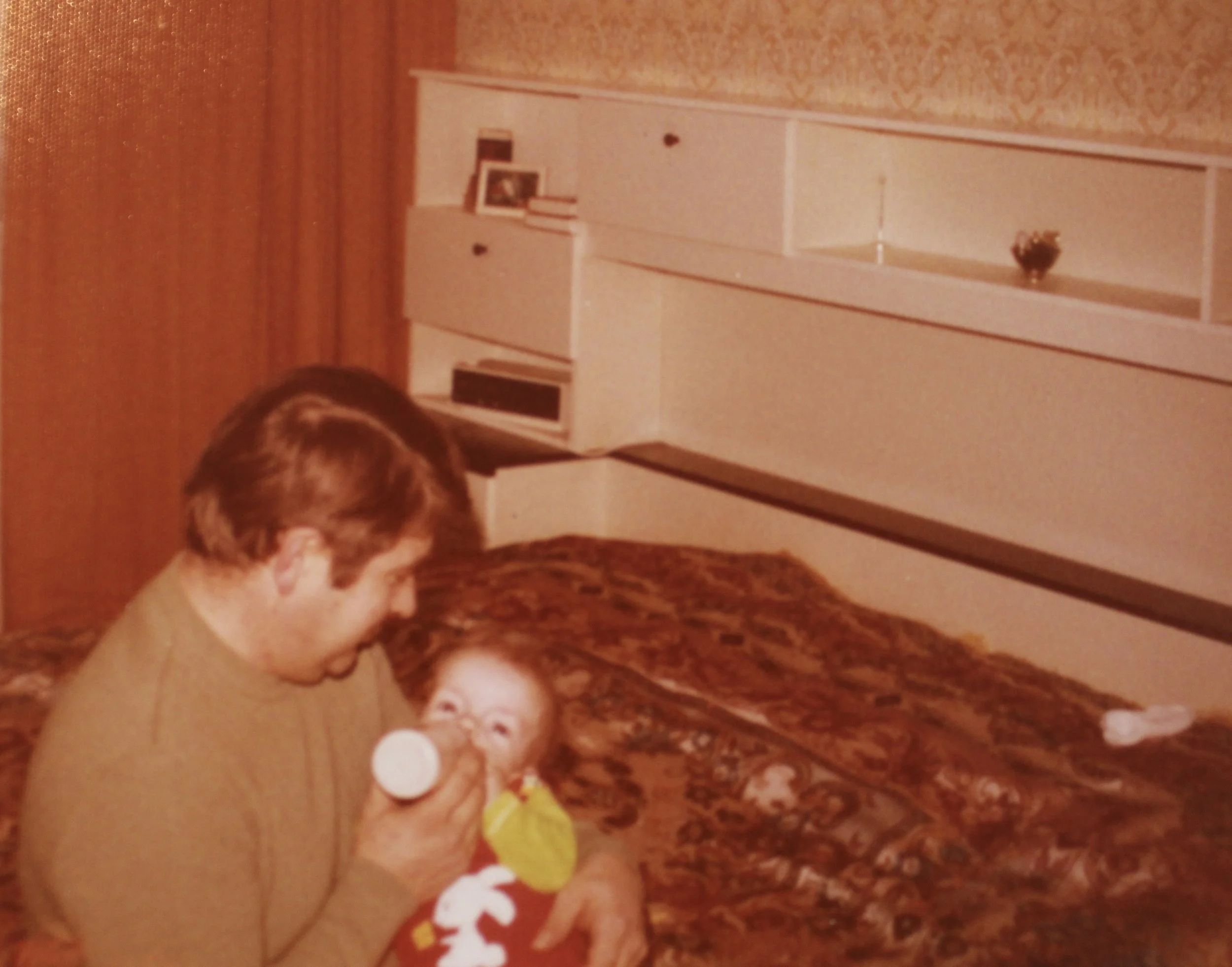
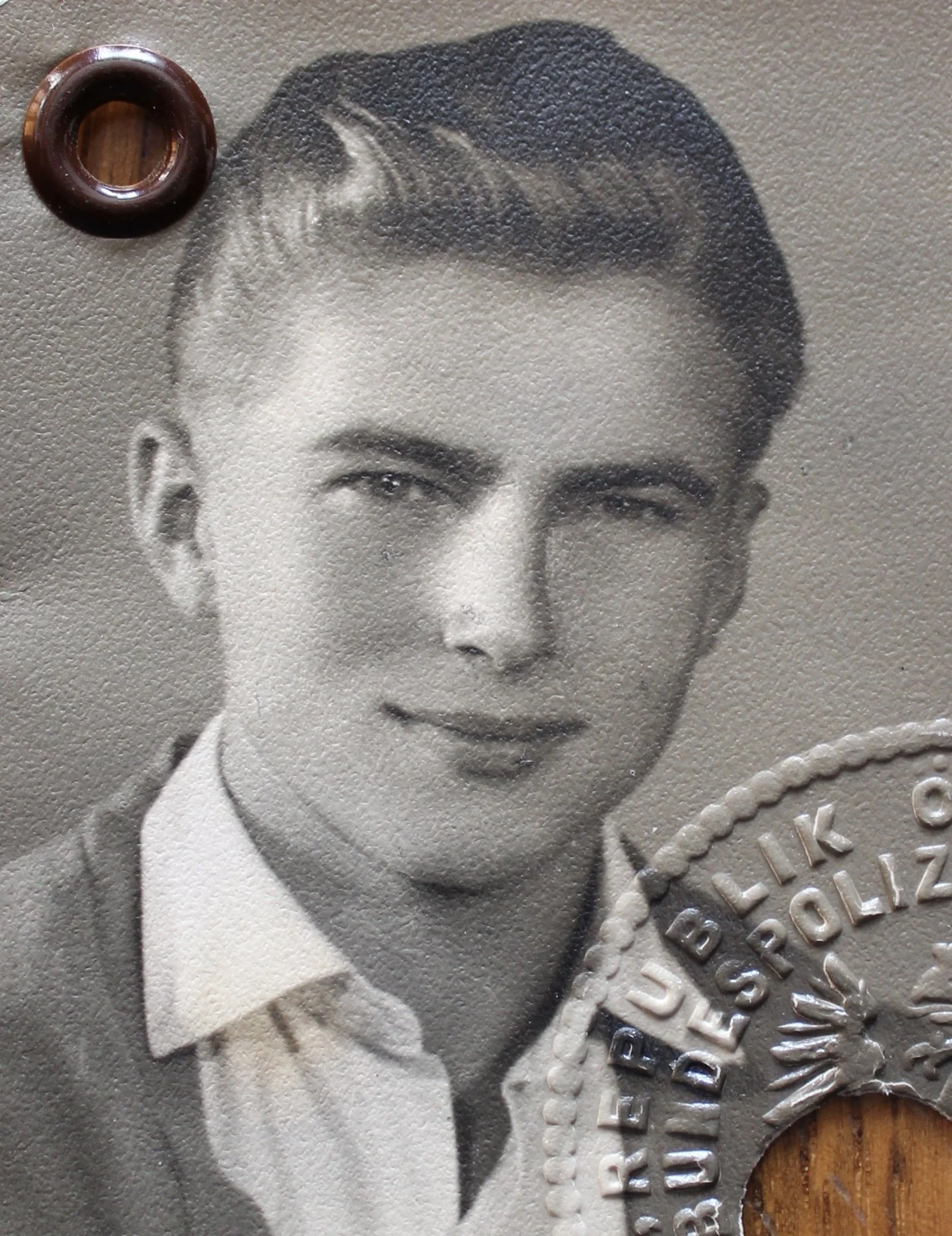
My dad and I — and a glimpse of him in his younger years.
Between 2020 and 2024 I lost three uncles. One every two years. The phone rings. You already know before you answer. You fly back if you can. You return to California and unpack your suitcase and go back to work. The phone rings again. After a while loss stops feeling like an event and starts feeling like weather. Something that comes through on its own schedule, without consulting yours.
For every person, loss looks different. None of it is right or wrong. We are all human beings who process grief in our own way, on our own timeline, with our own private rituals of remembering and forgetting. I am not writing this to compare. I am writing this because the losses accumulate, and at some point you realize they are not separate events. They are a single story, told in chapters you did not choose, about the cost of being alive long enough to love things that do not last.
And then, sometimes, in the middle of all that, something happens that you did not plan. I met a new friend. I met Tom at the check-in line at SFO. He had a dog crate, with Holly inside. I had a painting. We were standing next to each other and I looked at the crate and said, and I thought I had a large carry-on. He laughed. That was it. That was the whole beginning. My son and I visited him in Denmark. He and his daughter came to stay with us in California. We talk when we can. We see each other when life allows. To meet someone that late in the story, someone real, someone who stays, is a gift I do not take lightly. It is also why loss cuts the way it does. Because you know what it looks like when someone is actually there. And you know what it looks like when they are not.
I turned fifty not long ago. There is a kind of arithmetic that starts at fifty whether you invite it or not. How much time is left. What have I done. What have I not done. I watch the astronauts go up and I am happy for them. But I am a planet-first person. I will not see the moon up close. My kids might not either. The Arctic, though. The Arctic I will see. I will stand at 80 degrees north in ten weeks and look at ice that is older than anything I have ever lost. That is not nothing.
This is what Ghosts of the Ice has always been about. Not climate data. Not thermochromic pigments. Not lost paintings by dead masters. Those are the materials. The subject is loss itself. How it accumulates. How it changes shape. How it moves from a dog in Austria to a father in a hospital to a relationship that ended in California to a glacier that will not exist in fifty years.
Last entry I wrote about packing. About twelve cubic feet. About carrying less and letting go of what does not serve where I am going. That was about objects. This entry is about people. The ones who left. The ones who were taken. The ones I walked away from. The ones who walked away from me. Three moves equal a fire. Nineteen moves? I do not know what that equals. But I know what it costs.
The Arctic does not care what I have lost. It has its own losses, measured in square kilometers and centuries. I am going north not because I have resolved my grief but because grief is not something you resolve. It is something you carry. Twelve cubic feet. A duffel bag. A life sorted down to what matters. The dead do not come with you. But they do not leave either.
“With chains around my feet
You know that ghost is me
And I will never be set free
As long as I’m a ghost that you can’t see”