Entry 046: Day 10: The Wild Ones
Friday, 24 July 2026. Bråsvellbreen, Vibebukta, Torellneset.
At two in the morning Sarah came on the speaker and said there were whales. I want to be transparent about what happened next, because it is not flattering. I lay there and I calculated. On the second night out we had been called for belugas, and the ship had come off her course and Joachim had killed the engine and we had all stood at the rail looking at three white marks on grey water so far away you doubted your own eyes, and then that soft hard exhale arriving with no body attached to it. It was one of the great moments of my life and it was also, if I am being unromantic about it, three dots. So at two in the morning on the tenth day, warm, tired, halfway through one of the best journey I have ever had, I lay in my bunk and thought: what kind of whales, and how far. And I lay there running a cost-benefit analysis on a sound coming through a speaker at seventy-eight degrees north, which is a sentence I would like to be remembered the next time anybody calls me adventurous. I got up because I thought, you are here now.
Ten days teaches you something. On the early calls I had gone out half dressed and paid for it. Half dressed in the arctic means only two instead of four layers. Or you forgot the gloves or your hat, so this time the gloves went on first and then the hat, because when you stand in one place holding a camera and not moving, the cold accumulates. I did not change the lens. By day ten the five hundred lived on the camera.
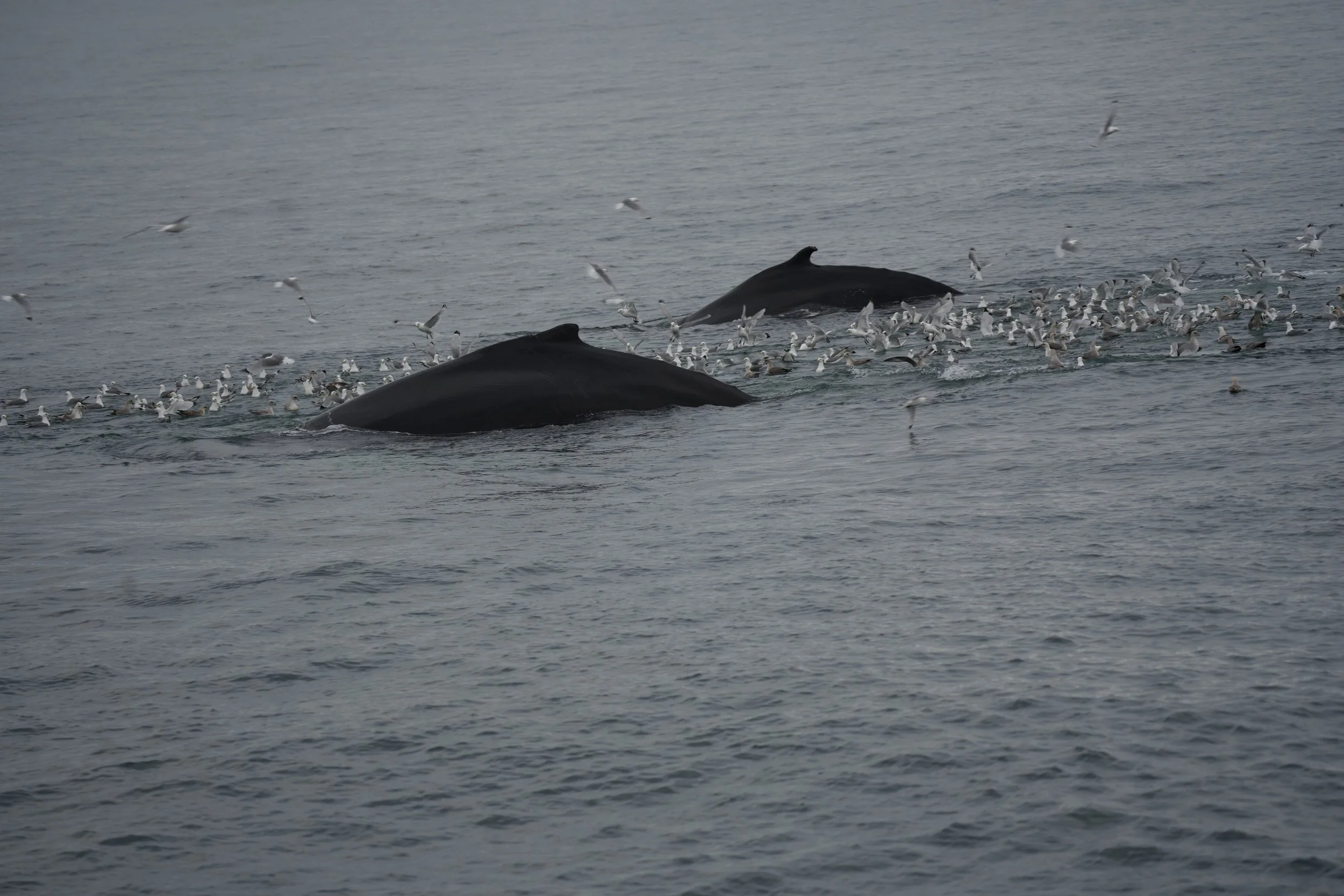
They were humpbacks, and they were not three dots. They were alongside. And standing there with the camera already up it landed on me what I had said out loud the previous afternoon, on a slope coming down off Straumslandet in front of Cathleen, holding a dark cobble with a long pale curve set into the face of it. I had said whale next. I had said it like a weather forecast.
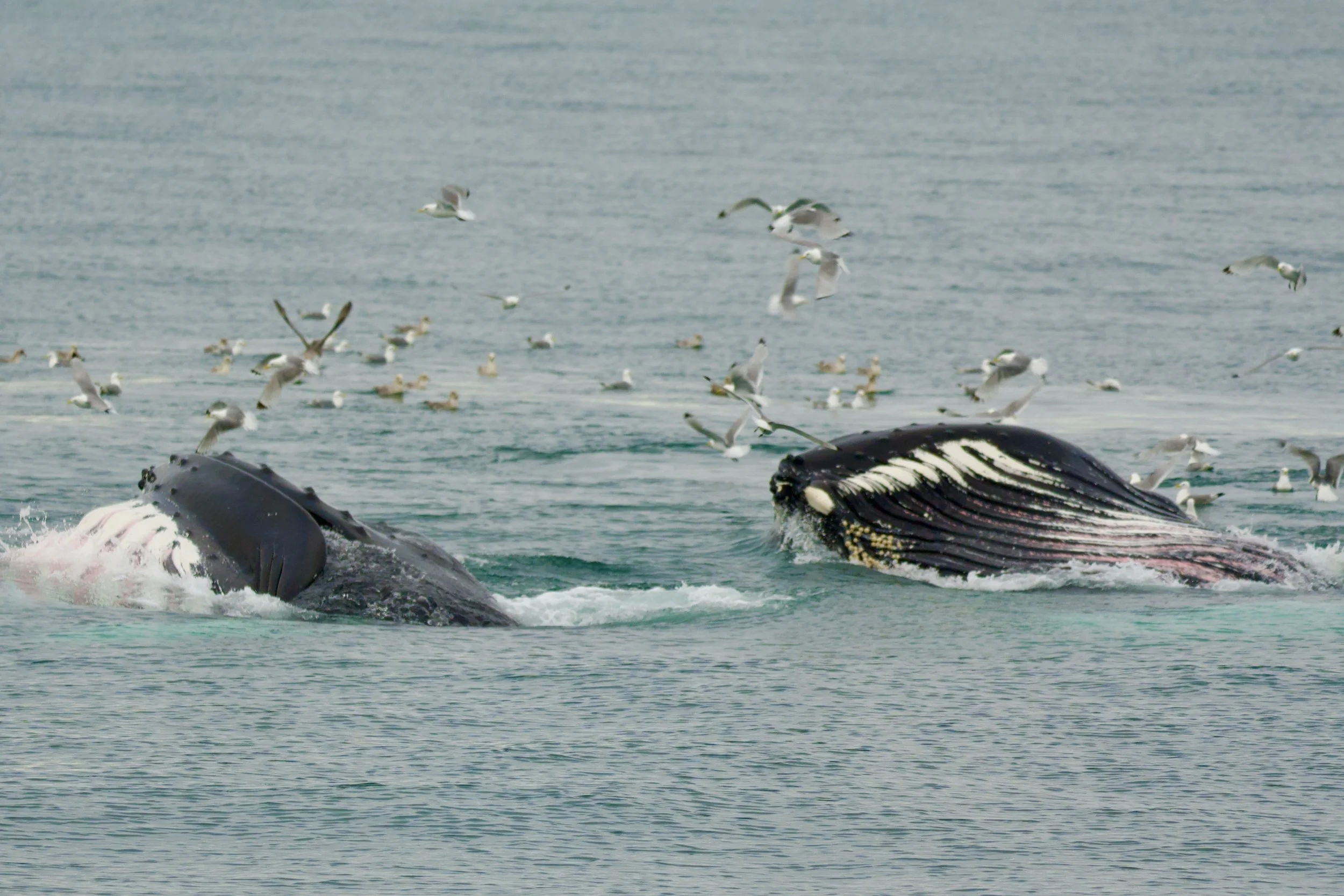
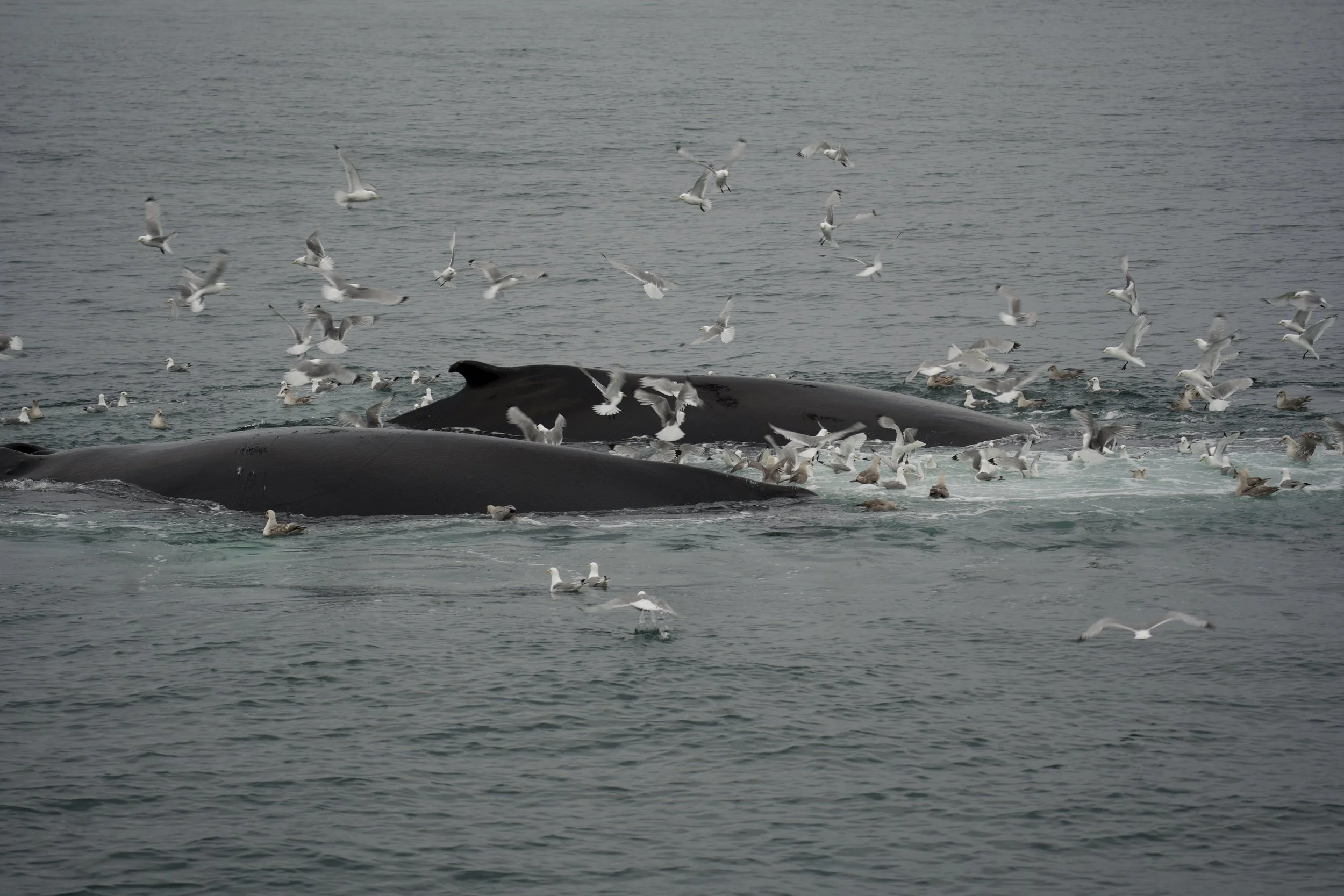
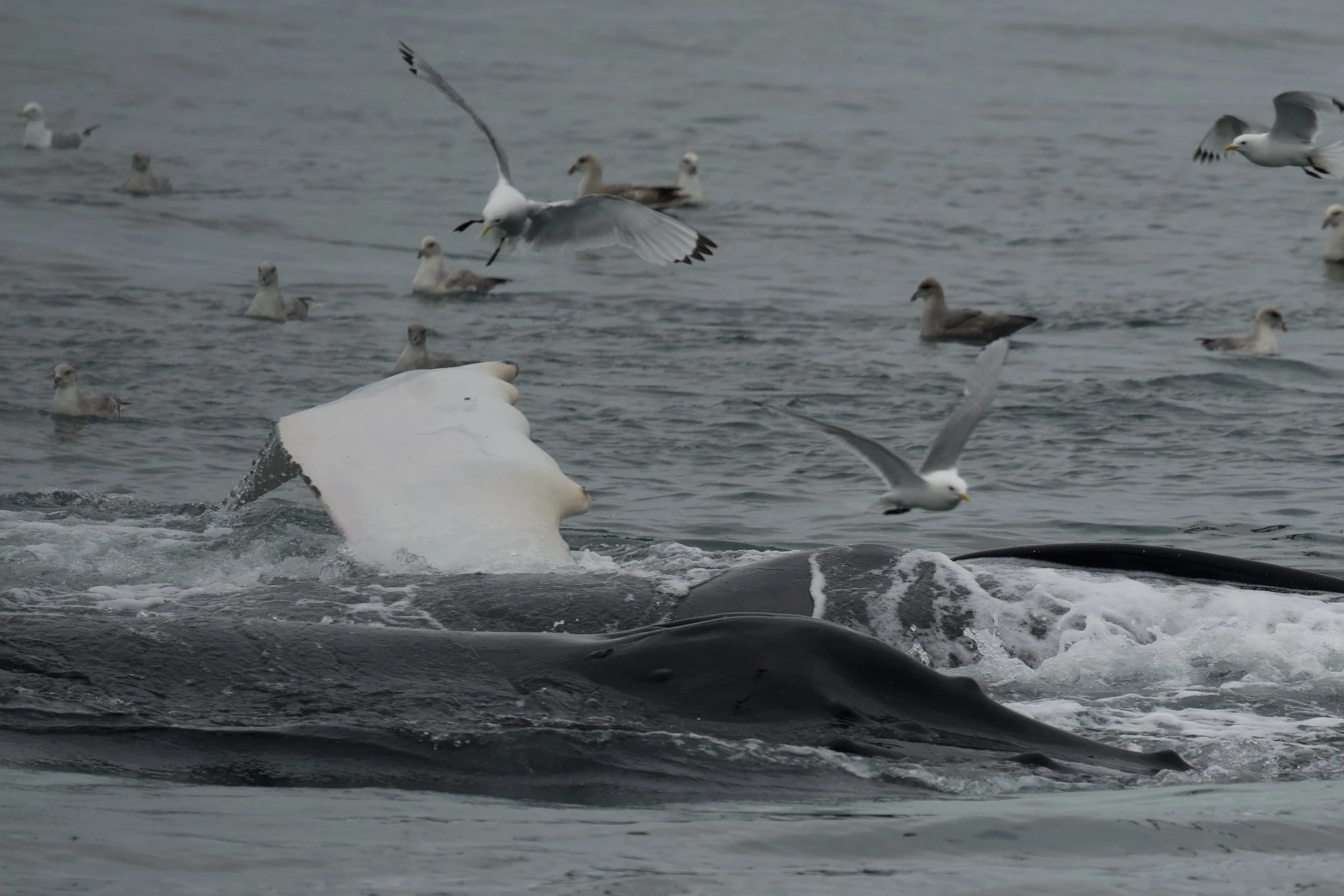
The first thing I got was a mouth open at the surface with the whole dark curtain of the baleen hanging in it, and a kittiwake sitting so far inside the gape that I have looked at that photograph a hundred times and still cannot tell you whether the bird was about to be lunch or was simply the greediest animal in the Barents Sea. I have settled on the second. It went in after something and it did not consider the whale.
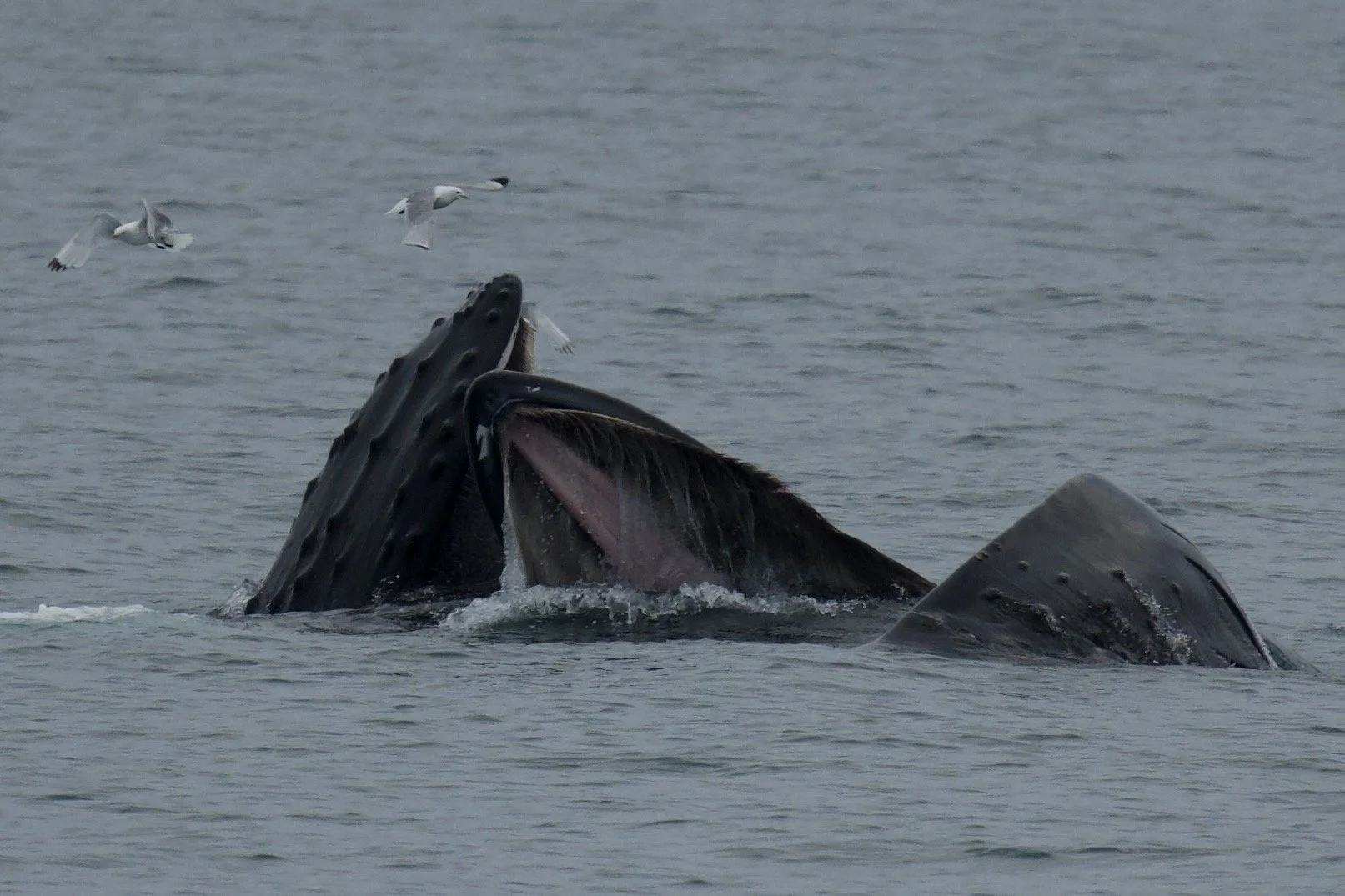
A Kittiwake went in after something and it did not consider the whale.
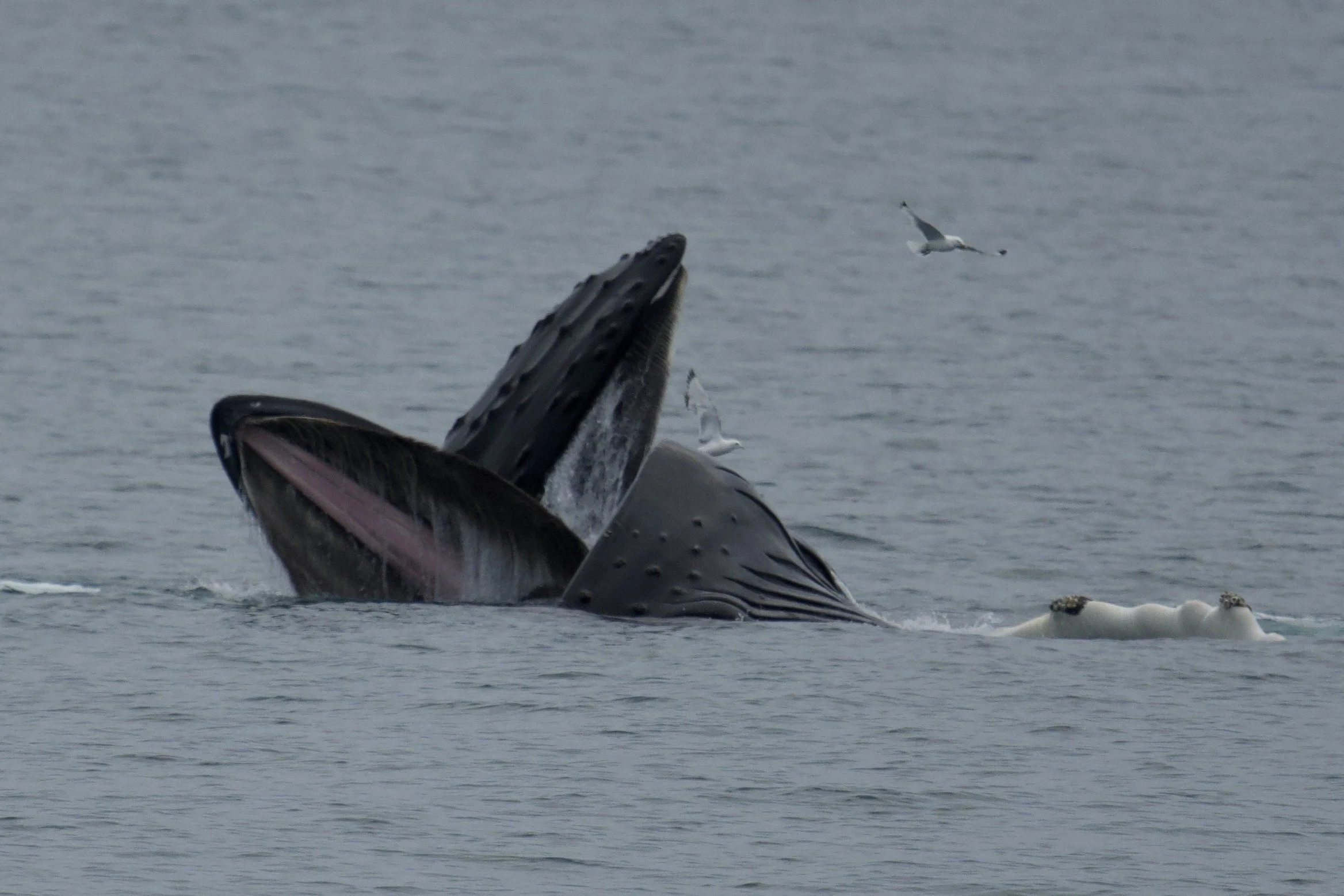
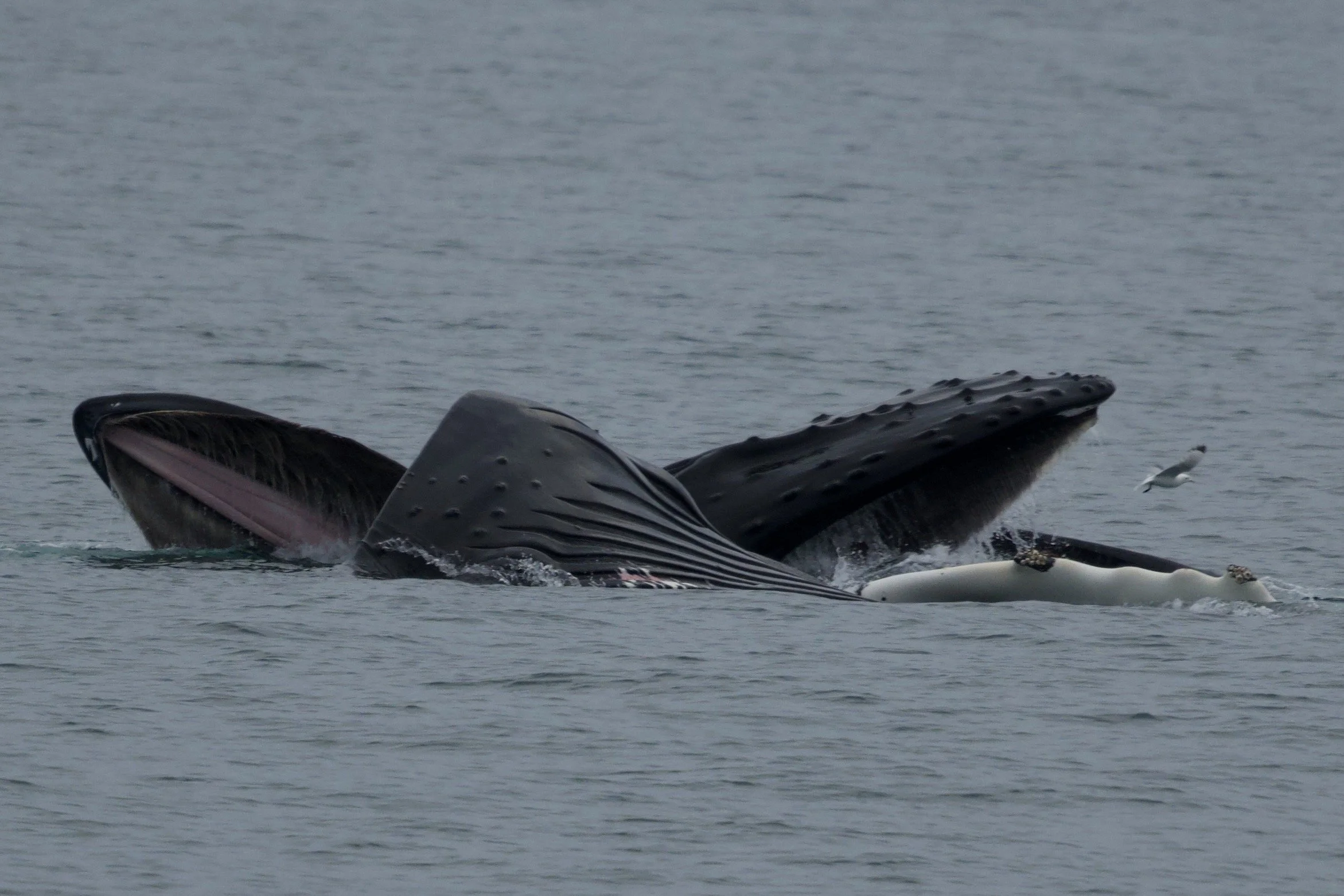
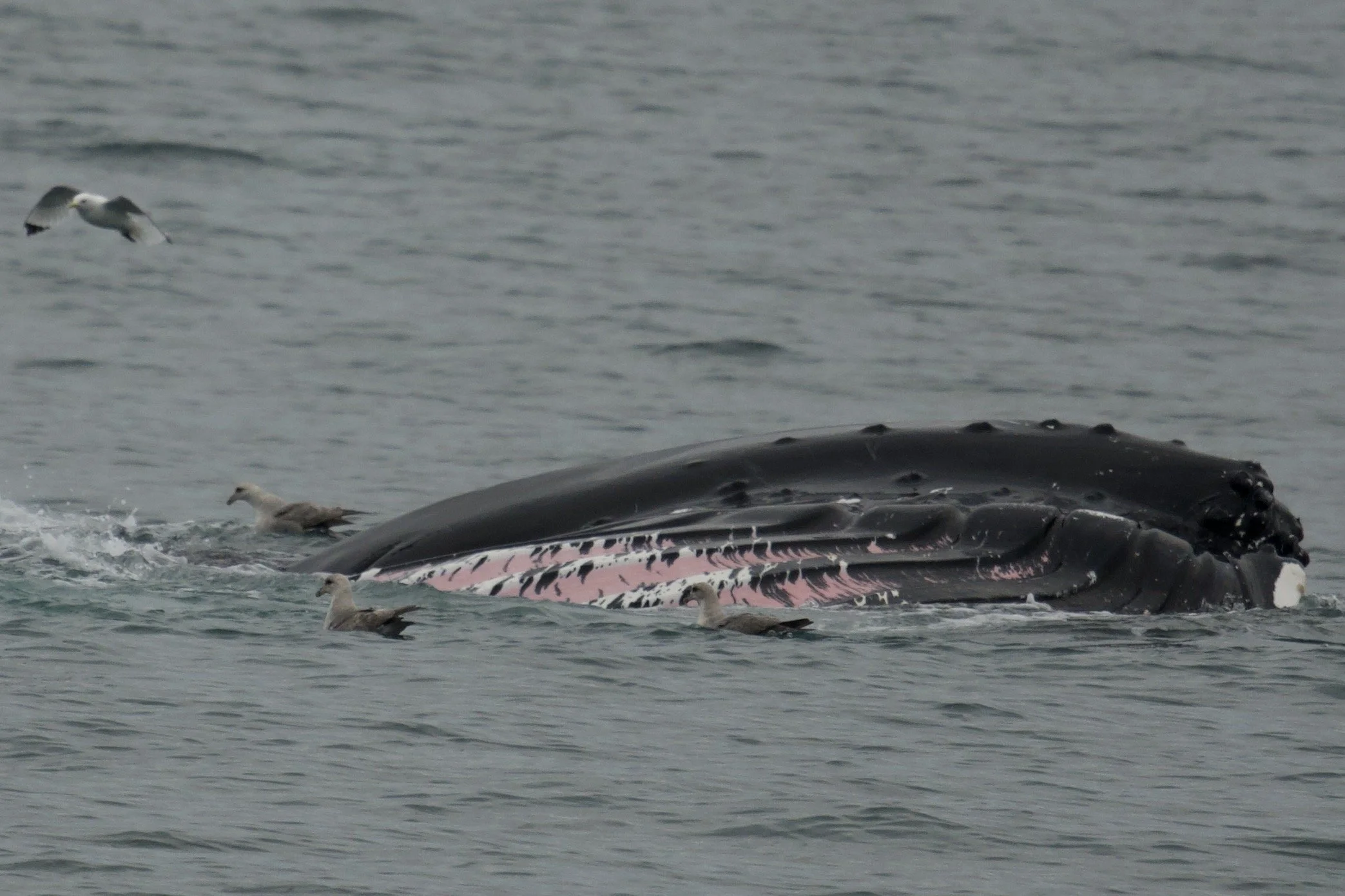
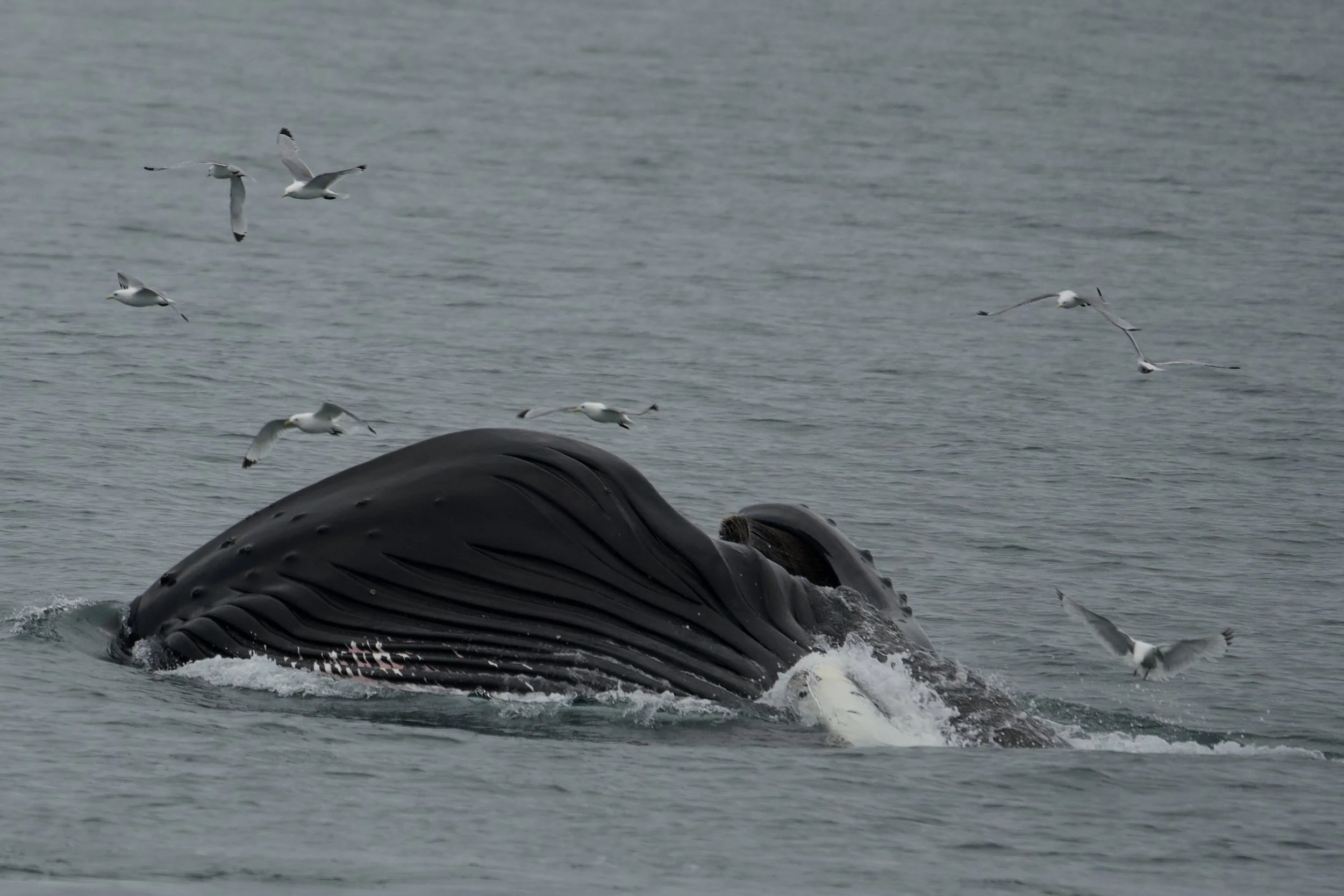
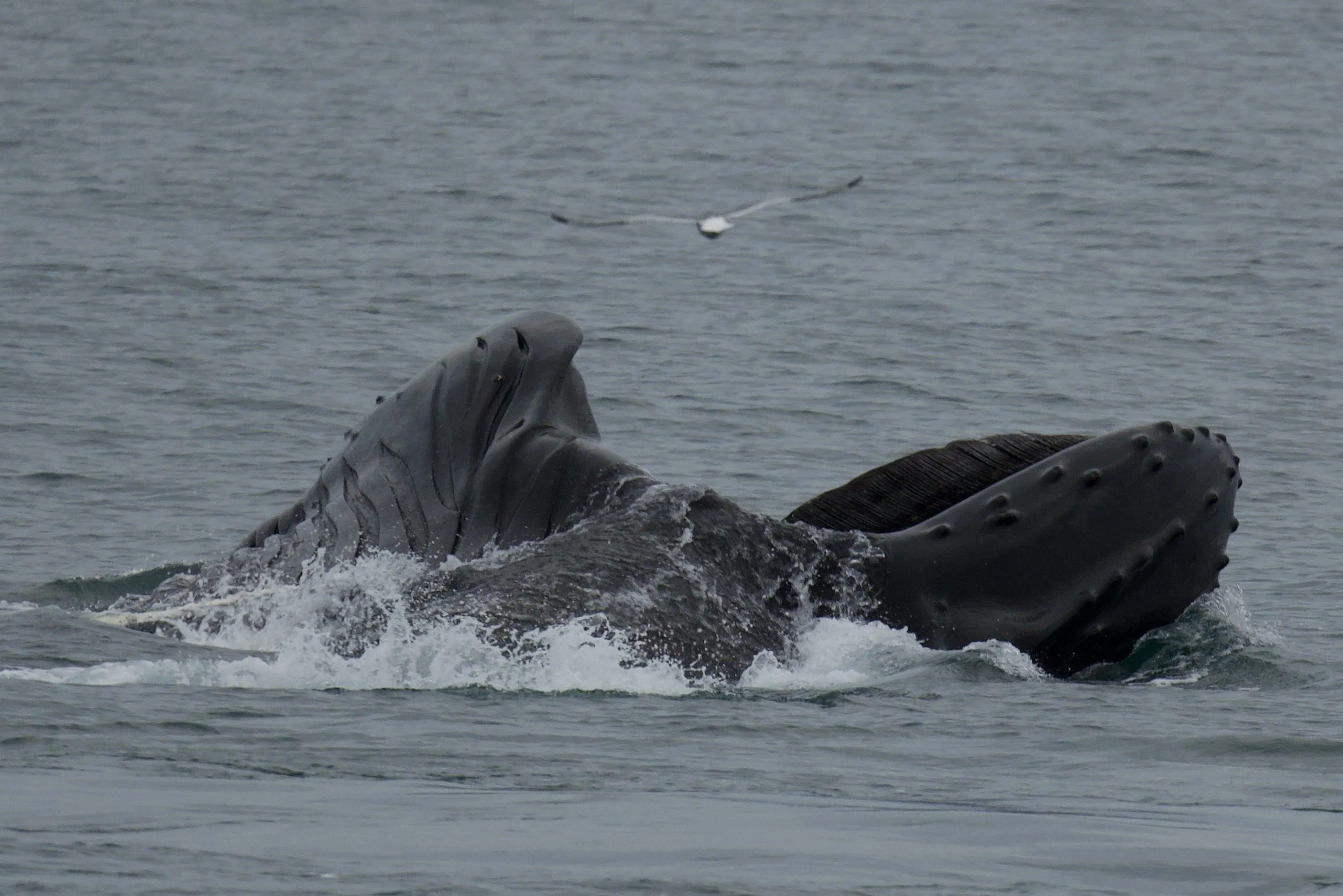
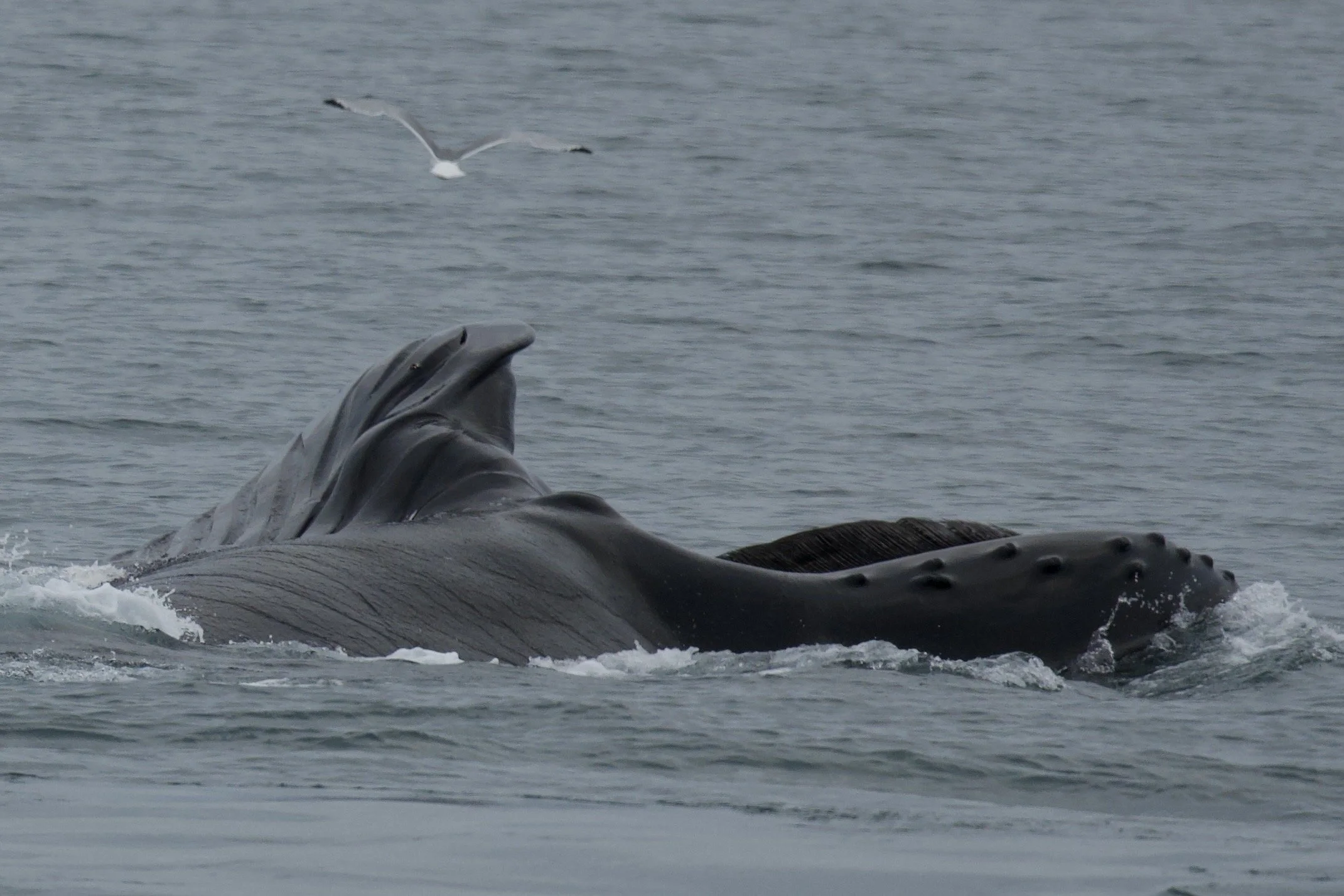
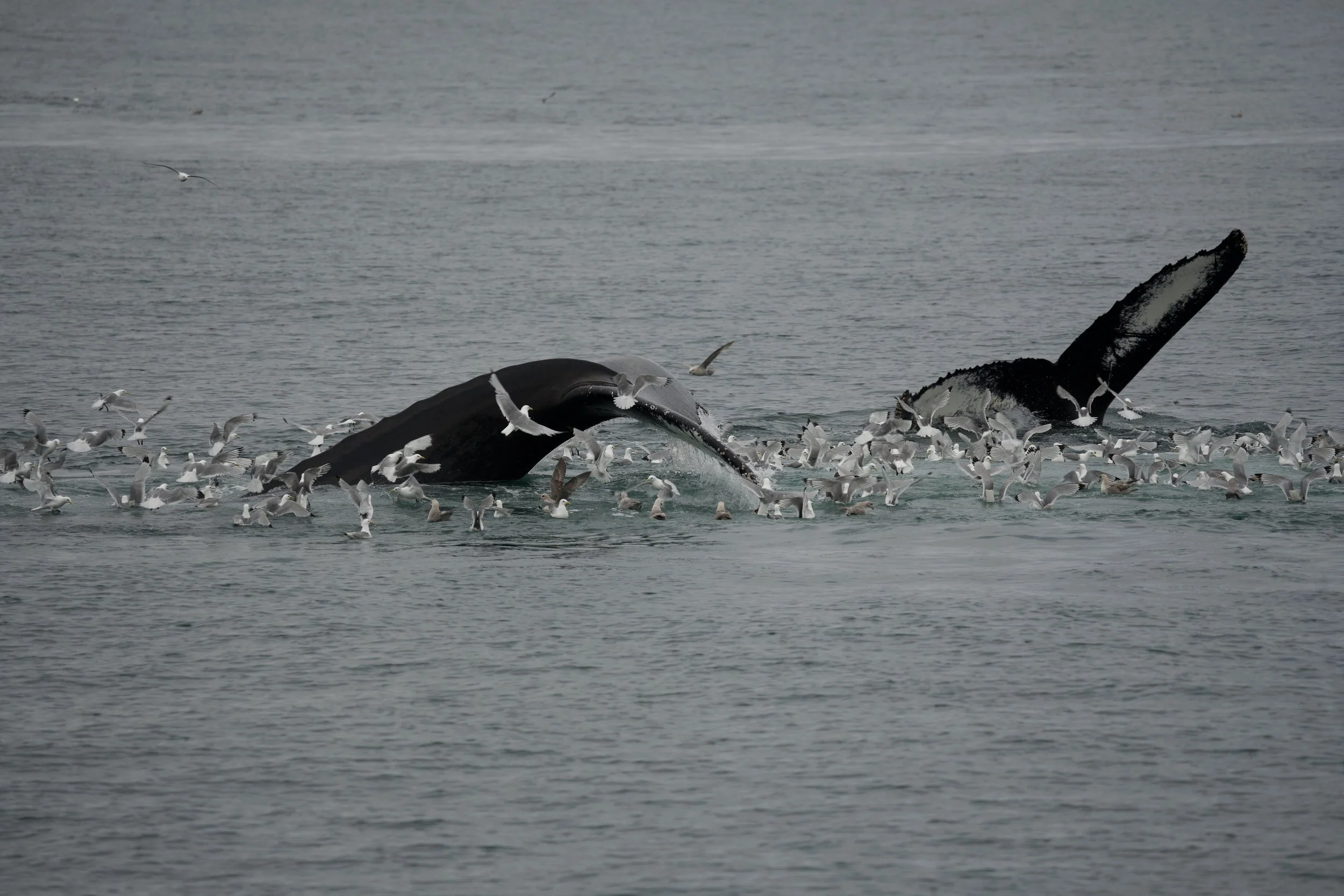
Then two of them came up together with their throats out, which is the strangest thing a body can do. Humpbacks are pleated from the chin to the navel, and when they lunge those grooves open and the throat balloons into a sack the size of a small room, and stretched that thin the skin shows what is underneath it. That pink and white running down the underside is blood, seen through a throat pulled open far enough to look into. Later one of them rolled over and put a great white blade up out of the water, which I could not name at the time and assumed was some sort of flap. It is the underside of the flipper, and it is why the animal is called big-winged New Englander, because those flippers run a third of the body length and are the longest limbs of any living thing on this planet. There is a suggestion that the white is there to frighten fish into a tighter ball, which would mean the thing I photographed was not a whale waving hello, it was cutlery.
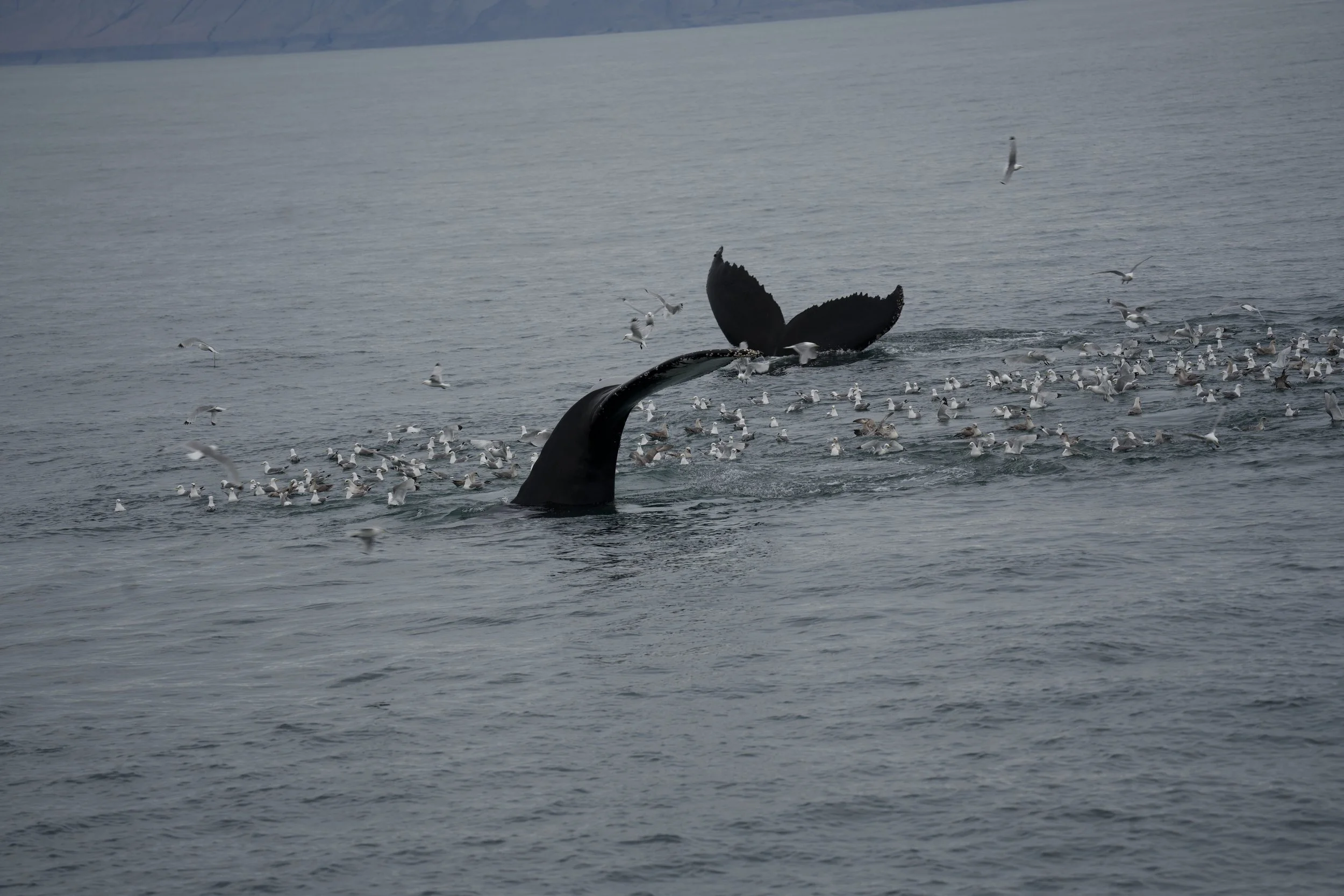
The birds were beside themselves. Kittiwakes and fulmars in the hundreds sitting on the water in rafts that ran out of my frame on both sides, and every one of them was there for the same reason I was, which is that somebody much bigger was doing the work. A whale drives a school of fish up against the ceiling of the sea and takes an enormous mouthful, the ones that escape arrive at the surface in a state, and that is when a bird that cannot dive gets a living. I photographed the tails as well, and every humpback carries a pattern on the underside of its tail that is unique to it and stays with it for life, so I have sent those off and I am waiting to hear who they were.
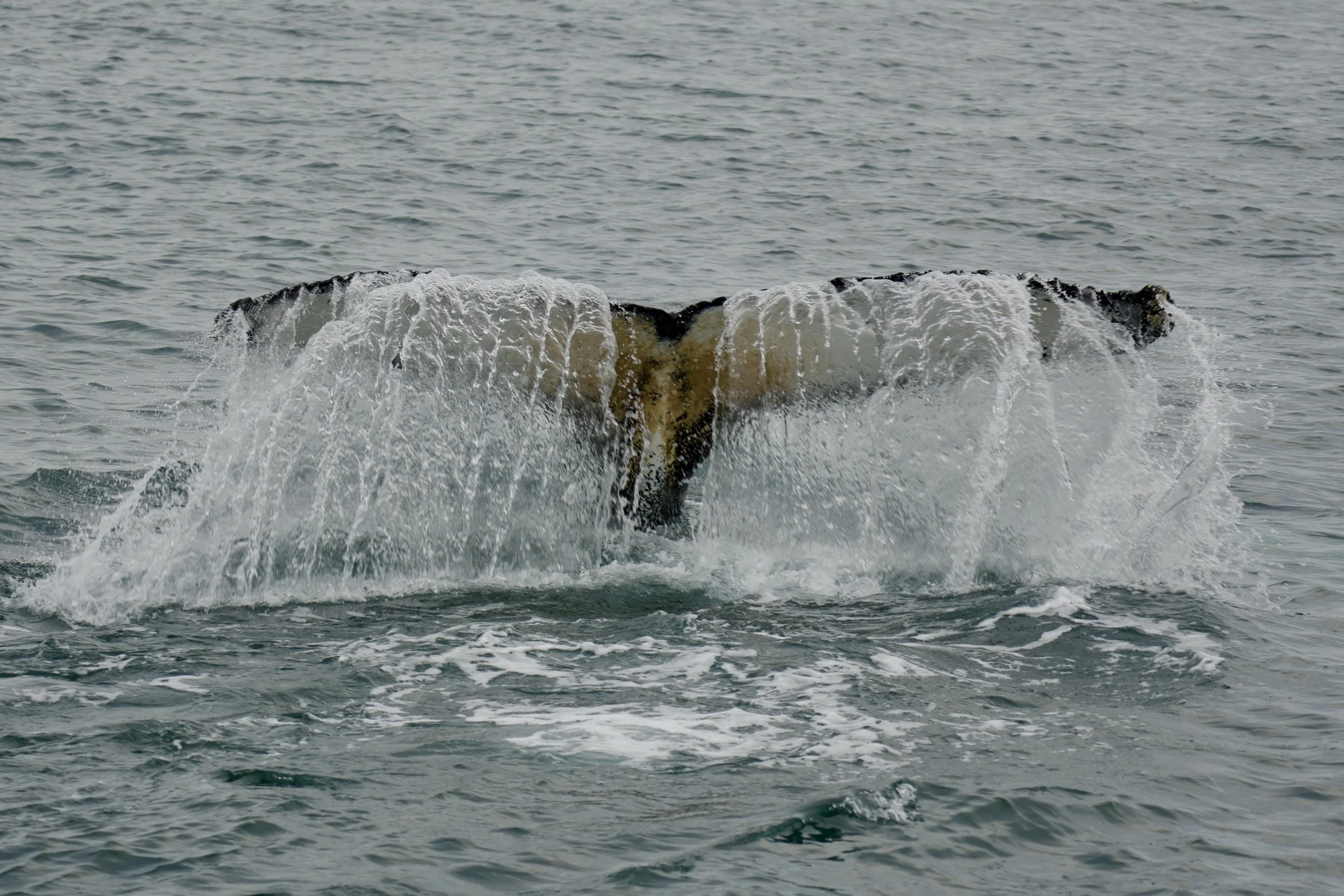
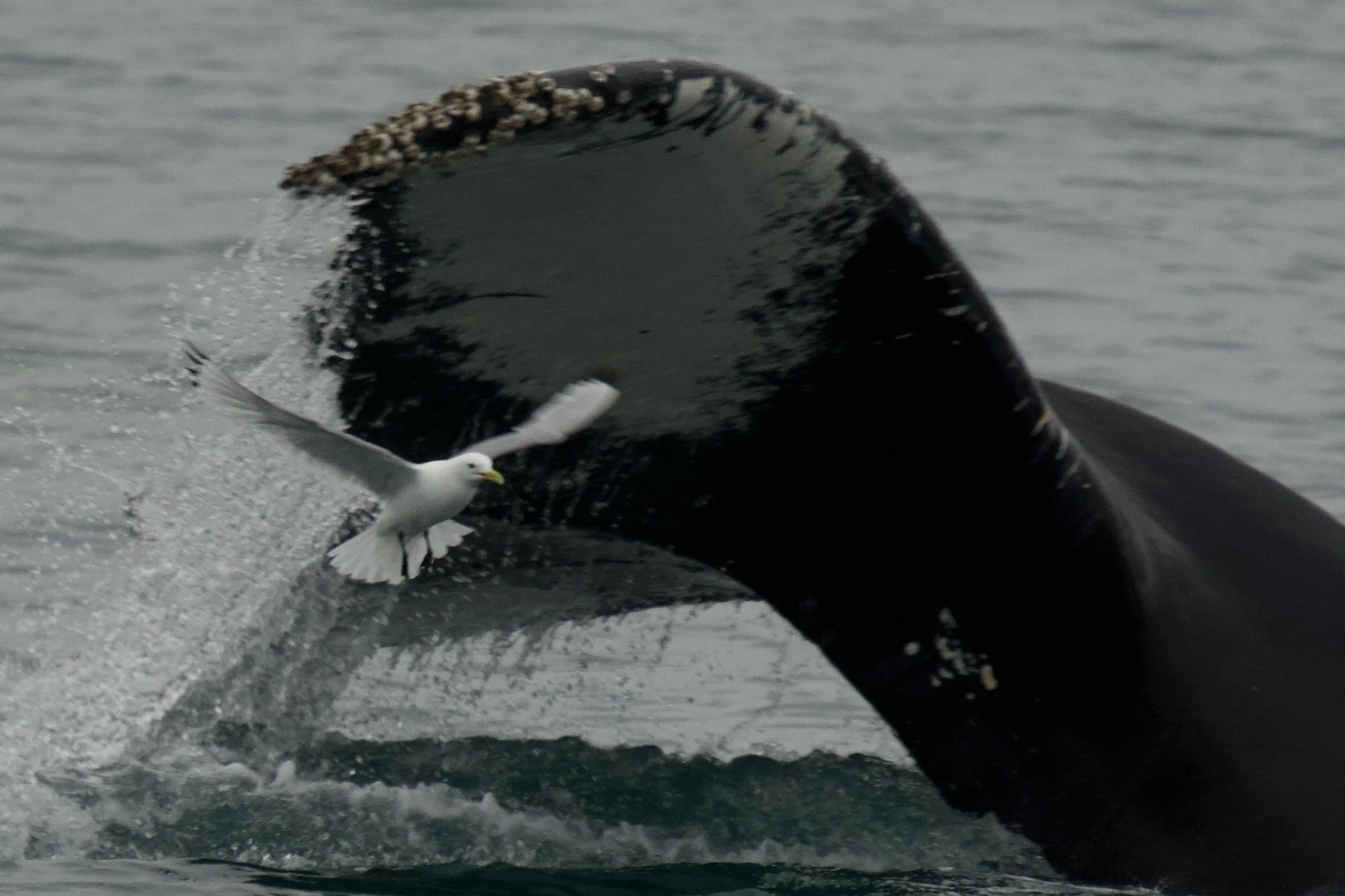
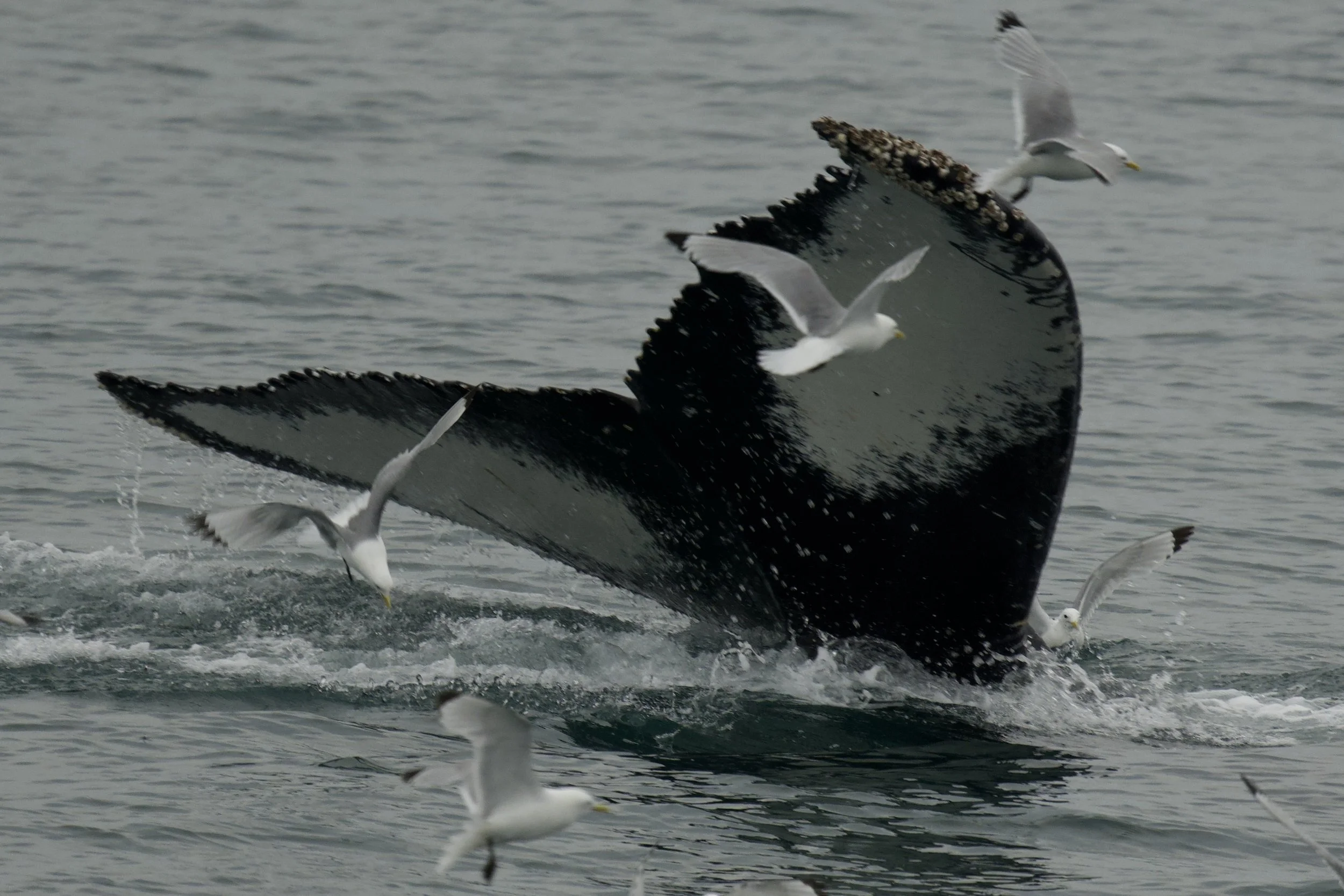
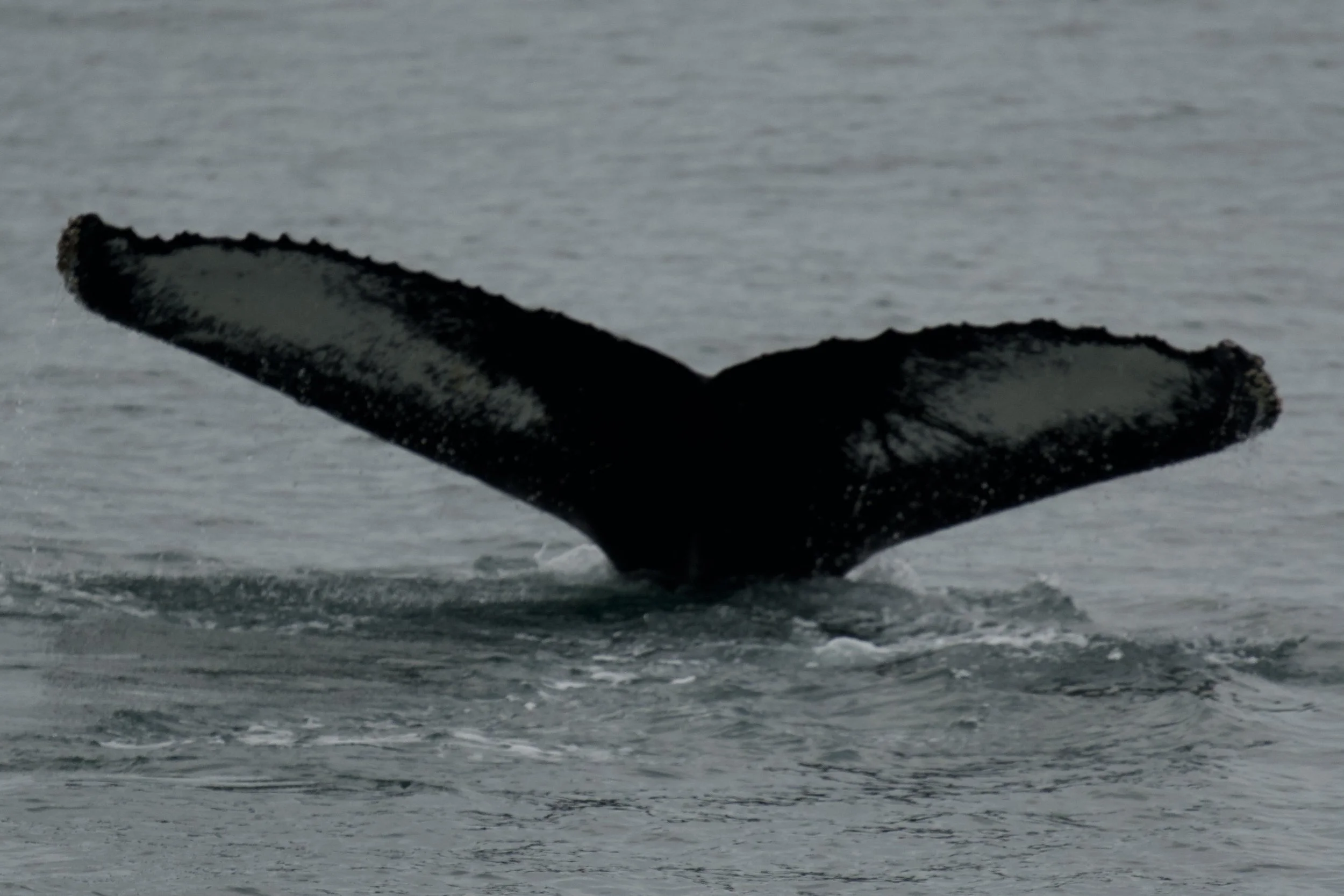
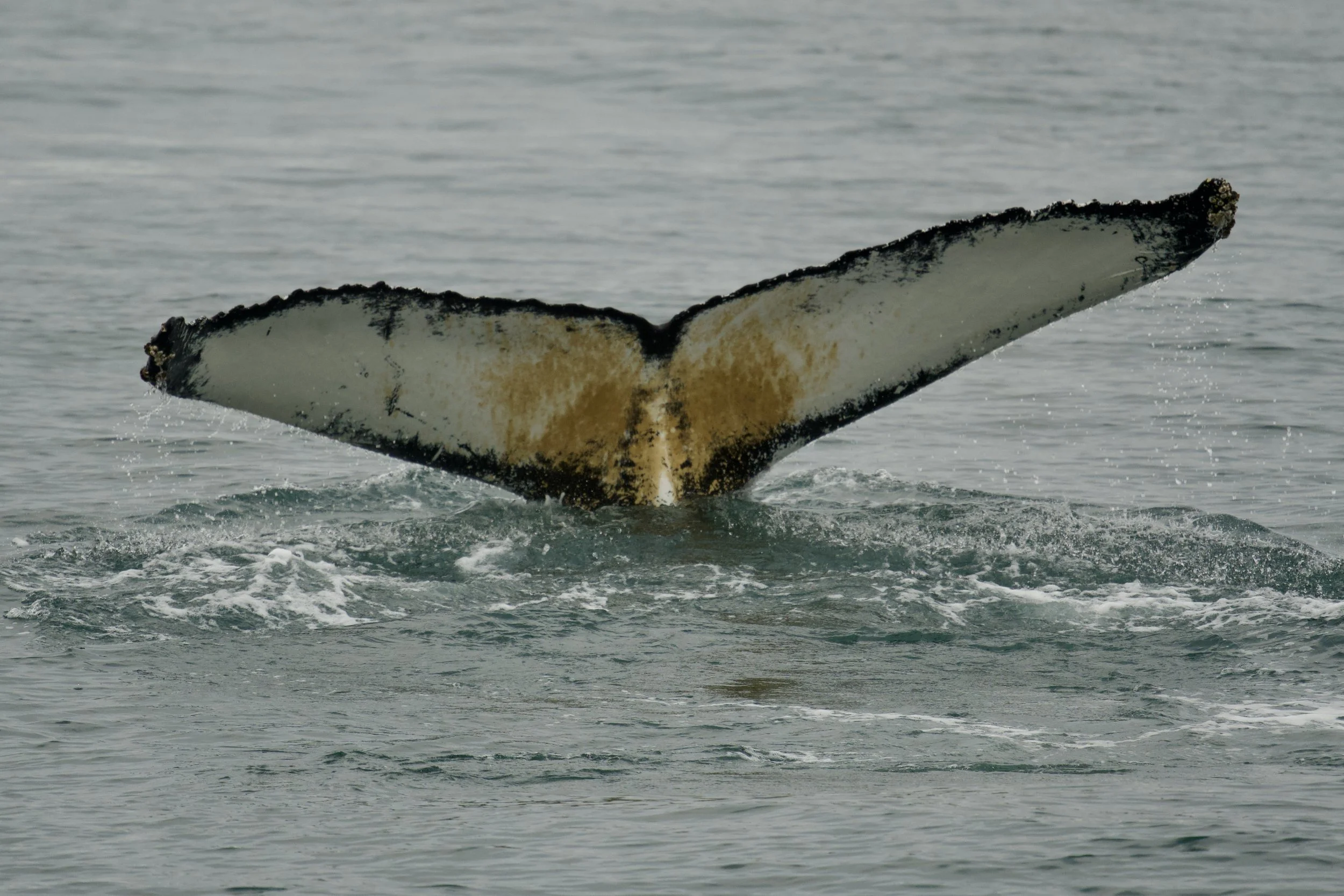
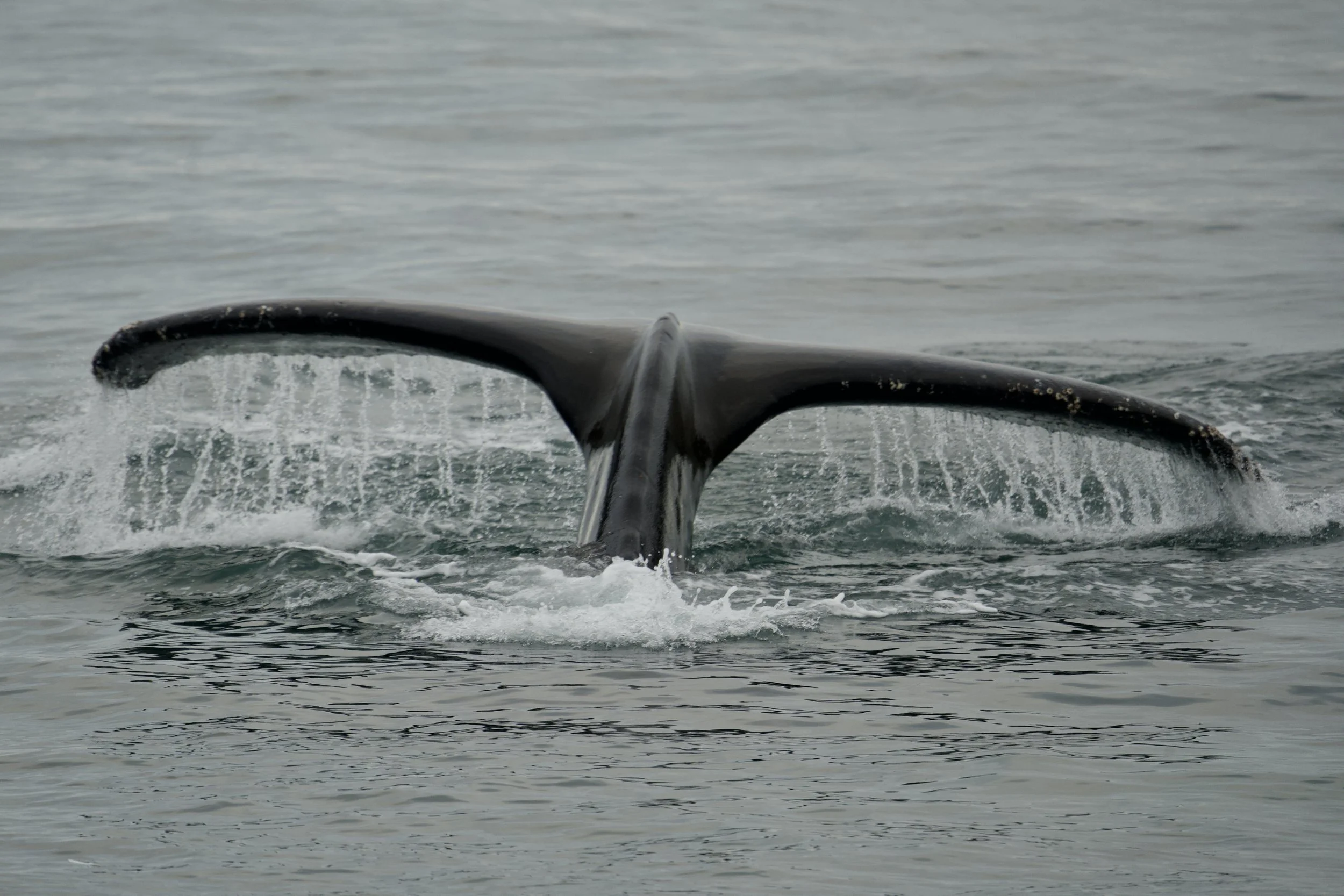
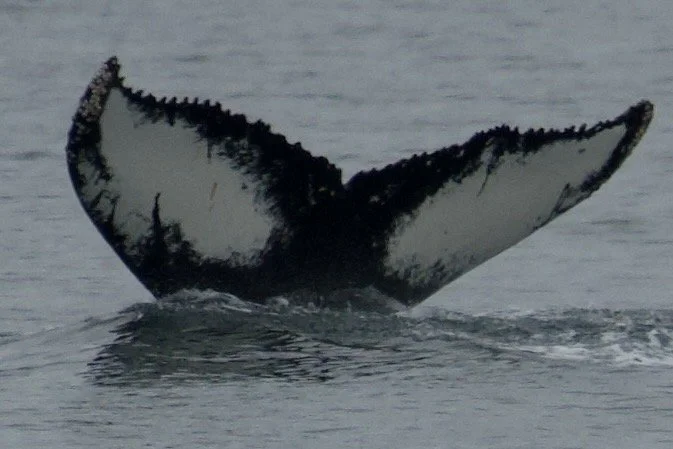
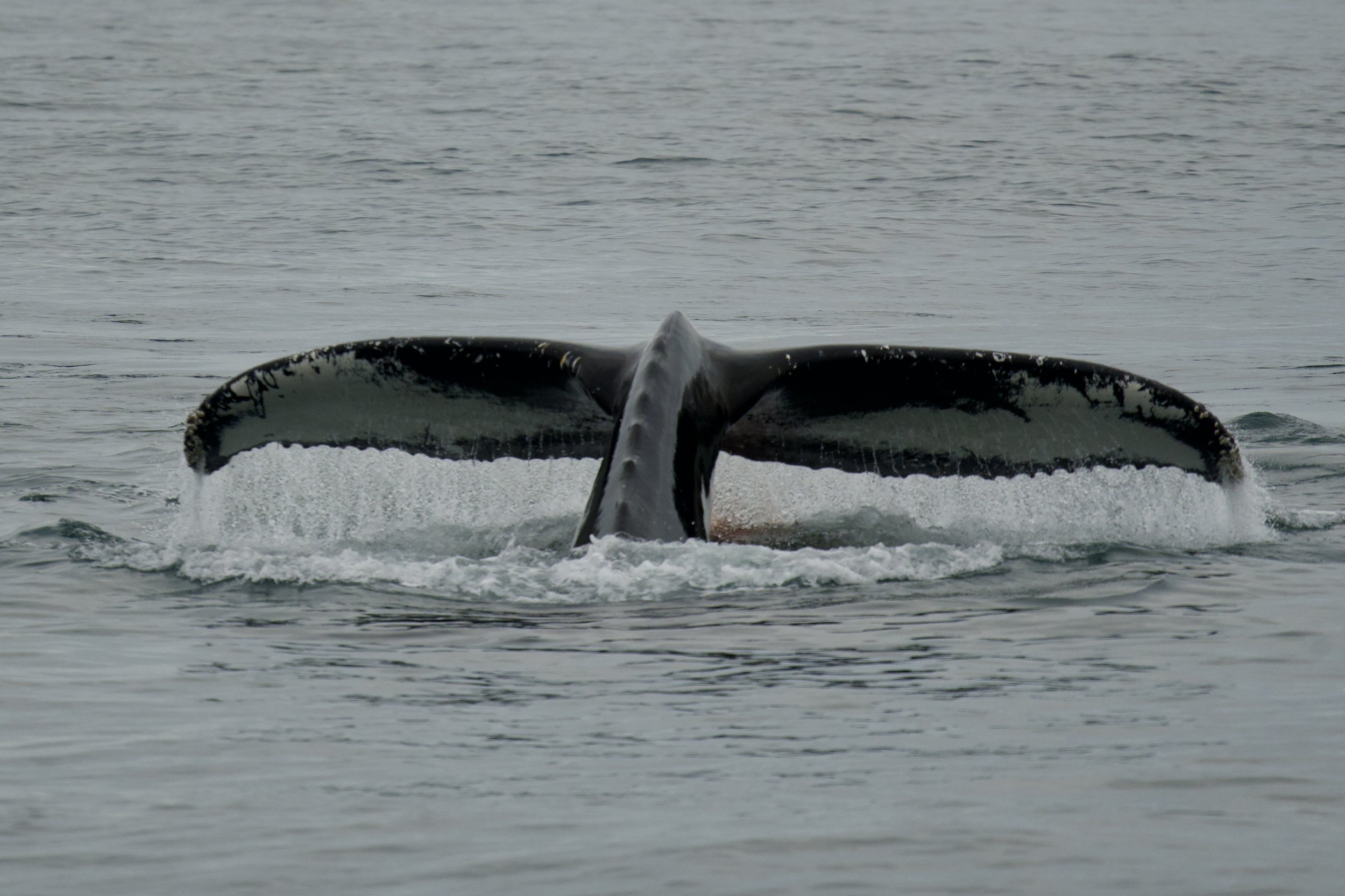
Somebody on deck said mother and calf, and that she was teaching him to eat, and the truth turns out to be better. Humpbacks pick up feeding techniques sideways, from the animals they spend time with, and not from their mothers. What she hands down is the address. They all winter together in the West Indies and then scatter to their own particular summer waters, and that loyalty runs down the female line. This exact gap of water between these two islands, passed through daughters for longer than anybody has been counting.
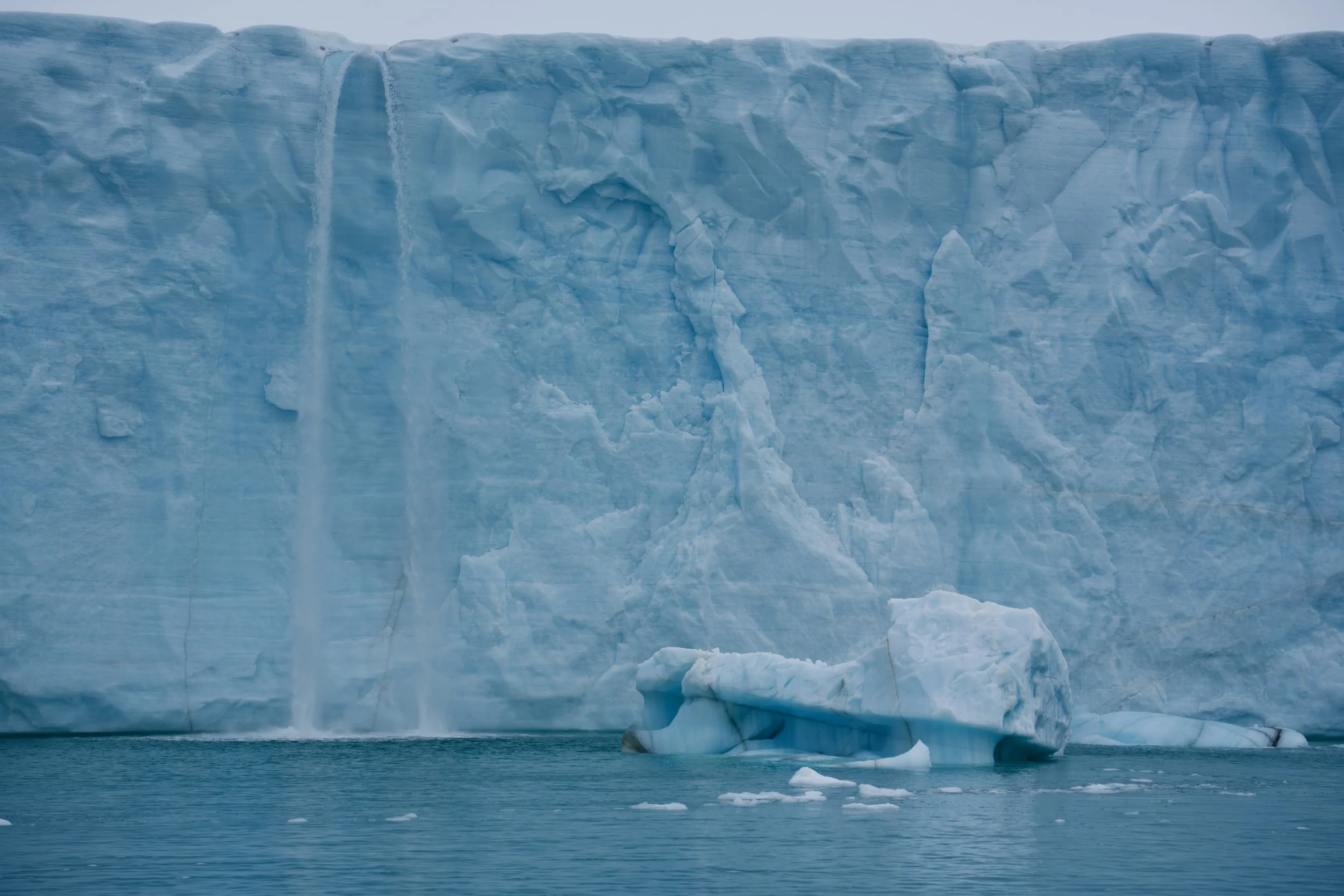
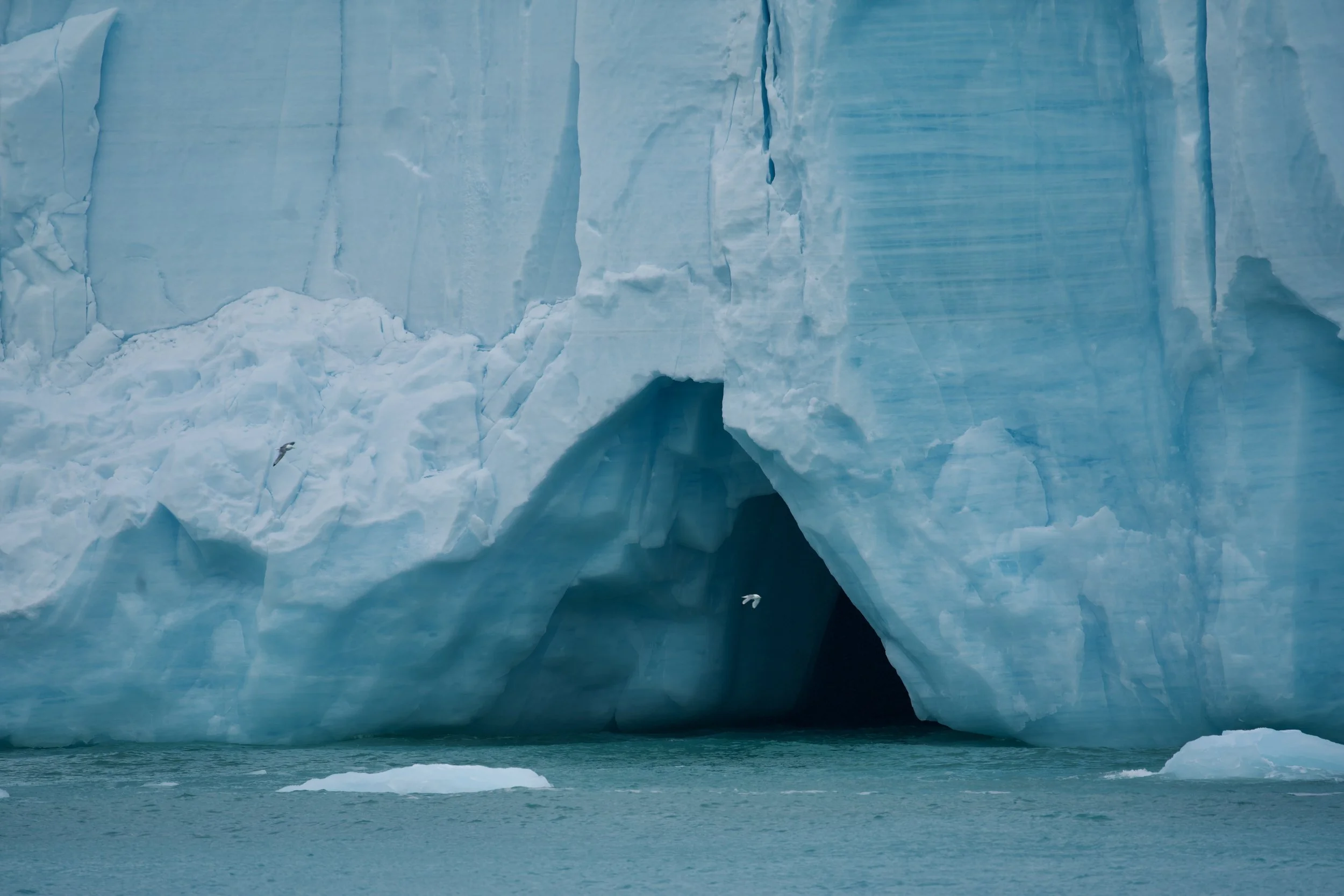
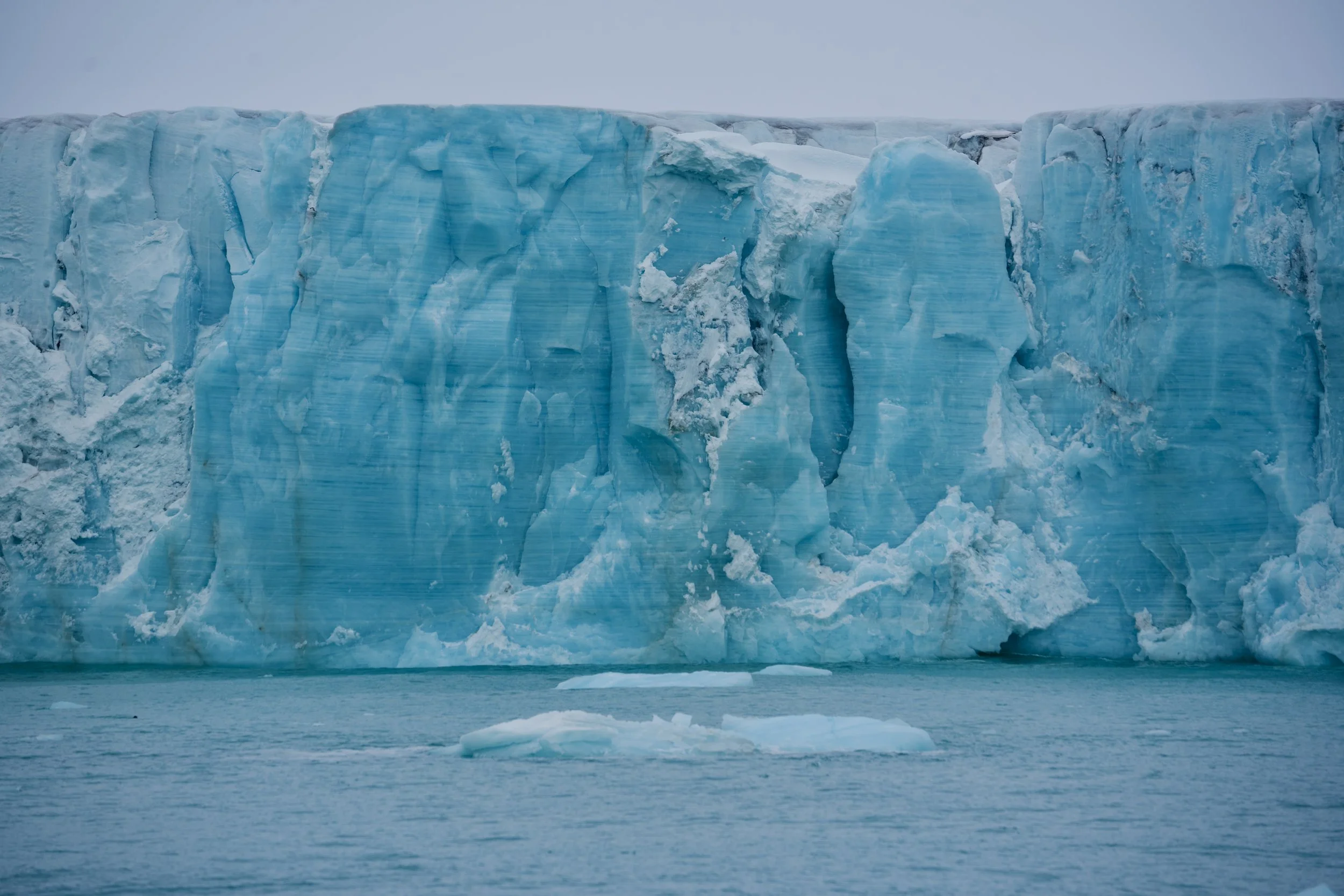
By nine we were against Austfonna, and I do not have a good way to tell you what that is. The name means eastern ice cap and it is the third largest in the world. The part we spent the day beside is called Bråsvellbreen, and its front runs about a hundred and eighty kilometres, standing twenty-four metres out of the water, the longest glacier front in the northern hemisphere. We cruised along it from nine in the morning until three in the afternoon and it did not stop. Waterfalls came off the top of it, actual waterfalls falling off a wall of ice into the sea, and in one of my photographs a zodiac sits in front of one for scale and the zodiac is a smudge. I stood there and thought, that is the Wall from Game of Thrones, and was pleased with myself for about four weeks, until I learned that comparing Bråsvellbreen to the Wall is what every expedition operator in Svalbard has been printing in their brochures for years and that my original thought had a queue in front of it a hundred and eighty kilometres long. I am keeping it anyway, with an amendment. I saw the Wall and I did not have to take the black.
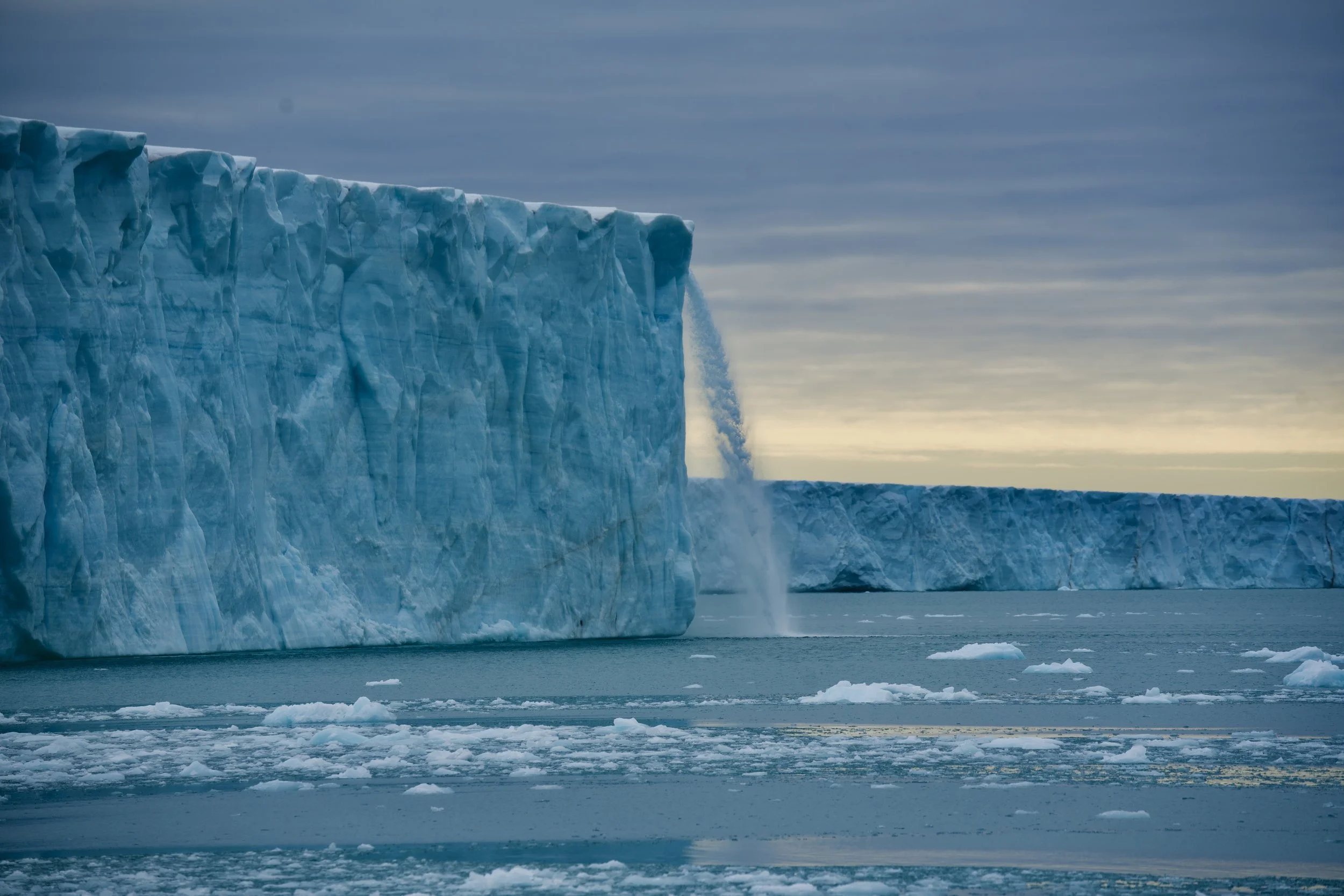
Austfonna, 180 kilometres long
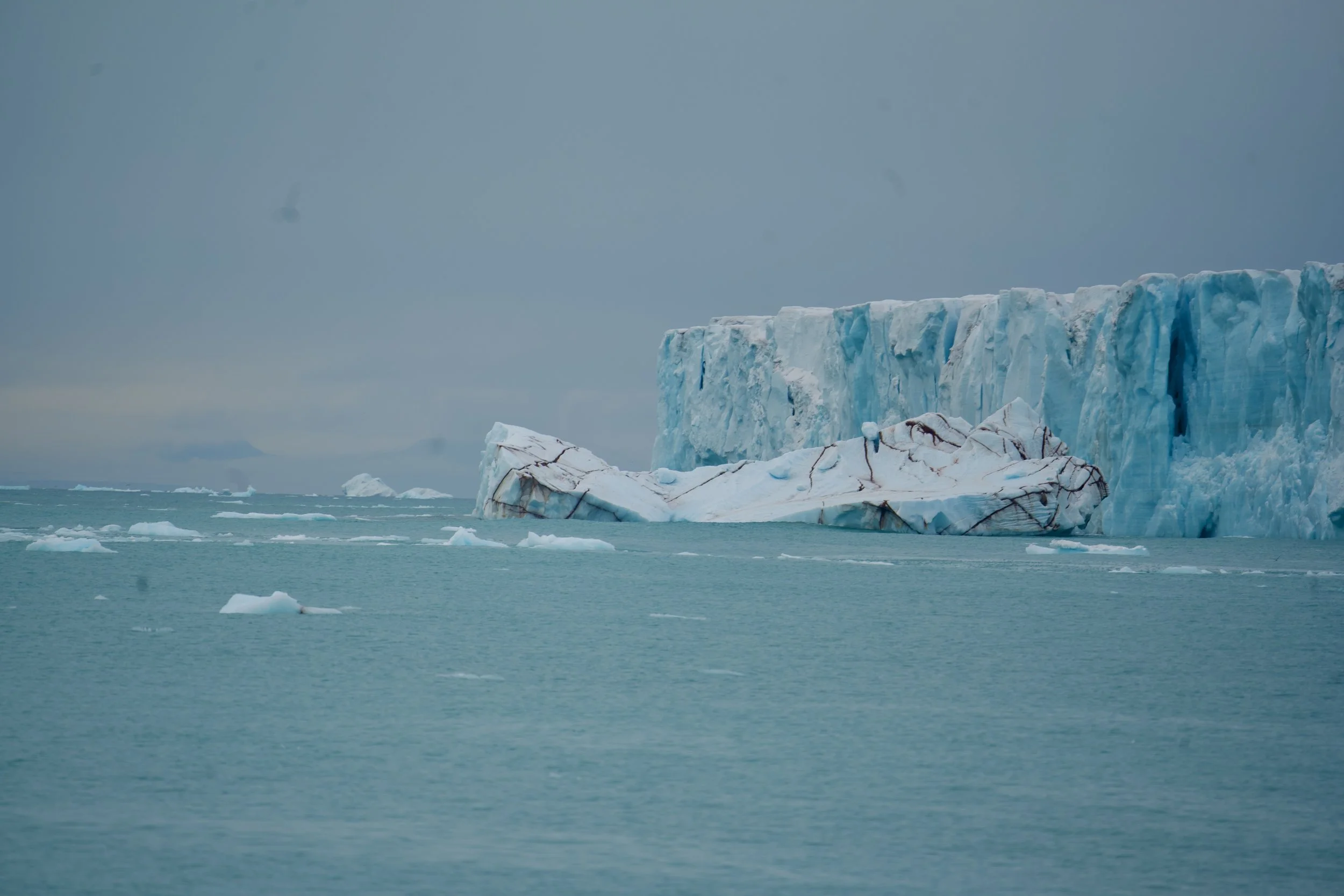
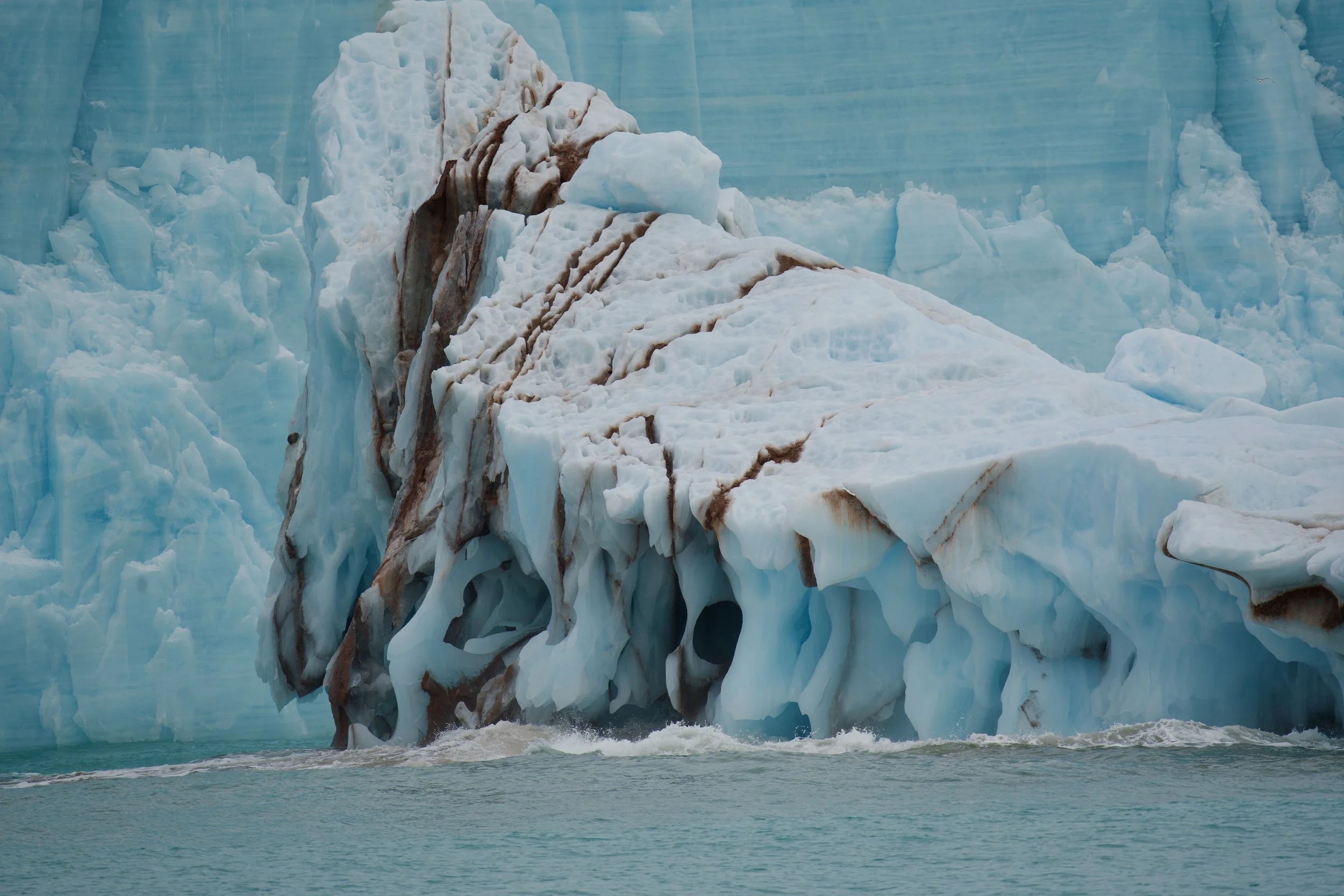
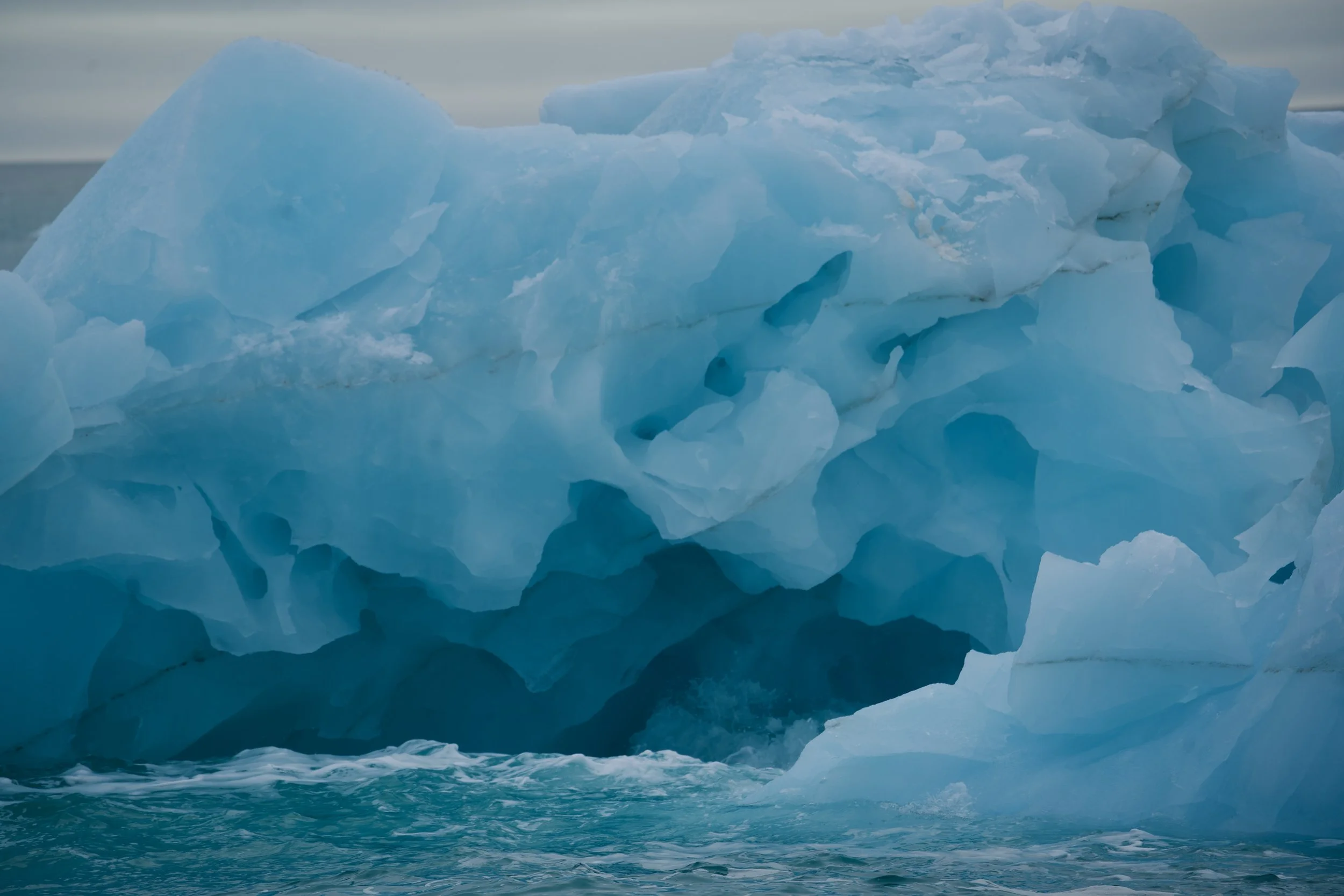
The part of the day that matters most belongs to two other people. Johanna is Austrian like me, and she makes a body of work called The Archive of Disappearance. Since 2019 she has been casting glaciers that are going away, working the shape out with glaciologists, building a mould at true scale, then going to the ice and casting it there in alabaster plaster so what comes home is the actual surface of that glacier on that day. The finished sculptures get cast in white concrete, which she chooses on purpose, because concrete accounts for around nine per cent of the world's carbon emissions. She makes the record of the vanishing thing out of one of the things doing the vanishing. She had been preparing for Austfonna for a year and a half and brought more equipment than anybody else on that boat, and then she was told she could not, because Austfonna is protected and the permit takes about two months. There is no villain in that. The reason those permits are slow is that the Governor has to weigh not what one person wants to do but the total combined effect of everything everyone is doing to that place, all of it added together. The rule that keeps count of how fast the ice is going is the rule that stopped a woman making a record of how fast the ice is going, and I can hold both of those in my head at once.
She found out around the time she got on the bus, and she never once got sour about it. Not on the bus, not on the ship, not at dinner, not in ten days. I know exactly what I would have been like, because I am impatient and when something I have prepared for gets taken away from me I am not a pleasure to stand near. She was. I learned something from every person on that ship and this was hers. She stayed open and pleasant and useful for nine days with the thing she came for taken off her, and when the opening came she was standing in the right place.
Then Sarah said she would find a way, and in the afternoon at Vibebukta she found one. I watched her and Rhys take a zodiac out into a bay with a great deal of ice in it, and she picked one. Not searched, picked. Out of everything floating out there, one piece was the right size and the right thickness and sitting the right way in the water, freshly calved off the ice cap, and she knew which, and then she got out onto it alone and tested it before she let anybody else near it. That was not caution for its own sake. A berg that size can shift or roll without warning, so every minute Johanna spent kneeling on it was a minute somebody had decided was worth spending. There are years behind that judgement and I am not going to try to count them. Without Sarah there is no cast and no film and no story. And the thing she found was the ice cap itself, only loose. The glacier was protected and this was the same ice, calved off it, out on its own. When the plaster went down it touched a surface that formed in the last Ice Age, ten or twelve thousand years ago, which I only learned afterwards and which I have not stopped thinking about since.
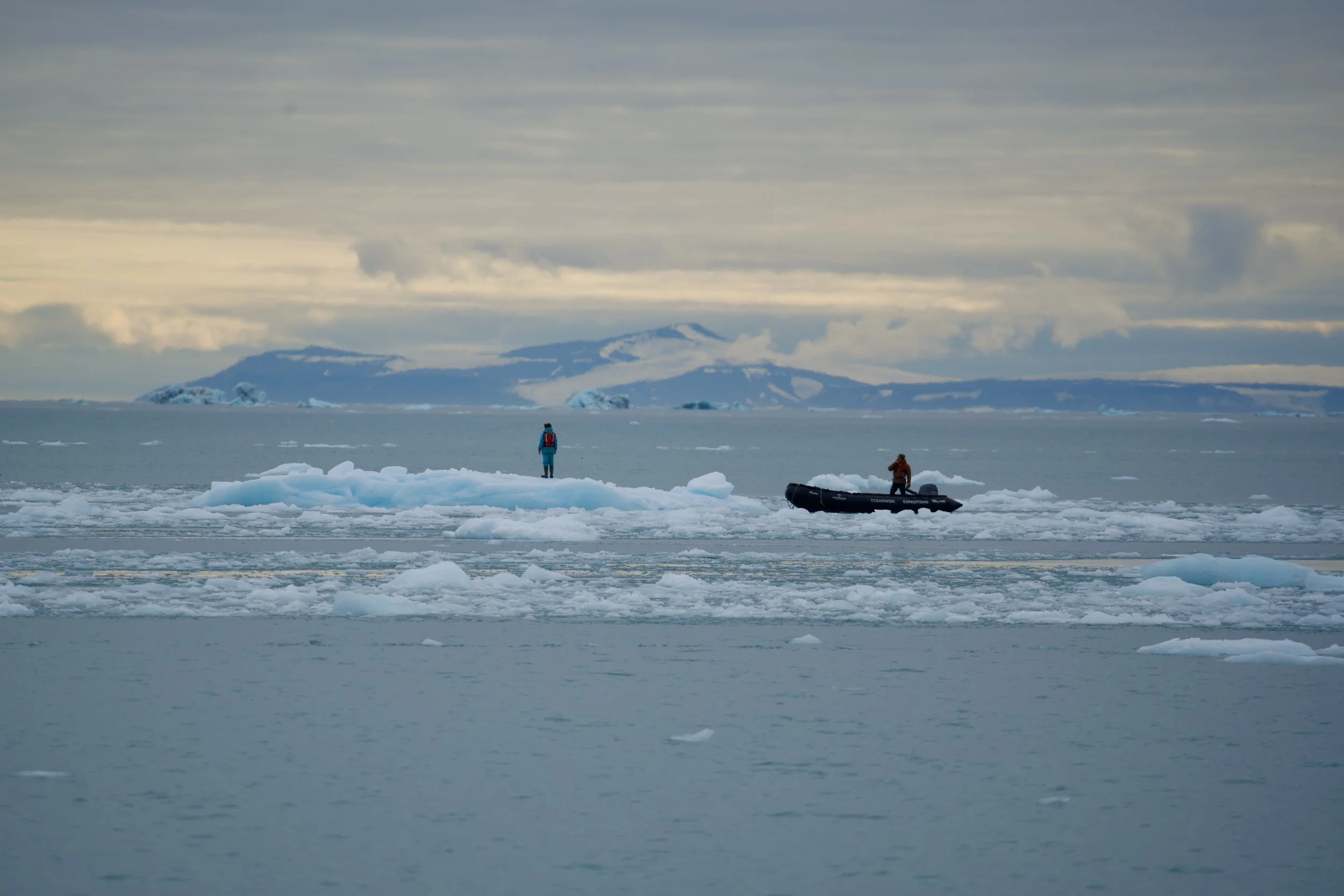
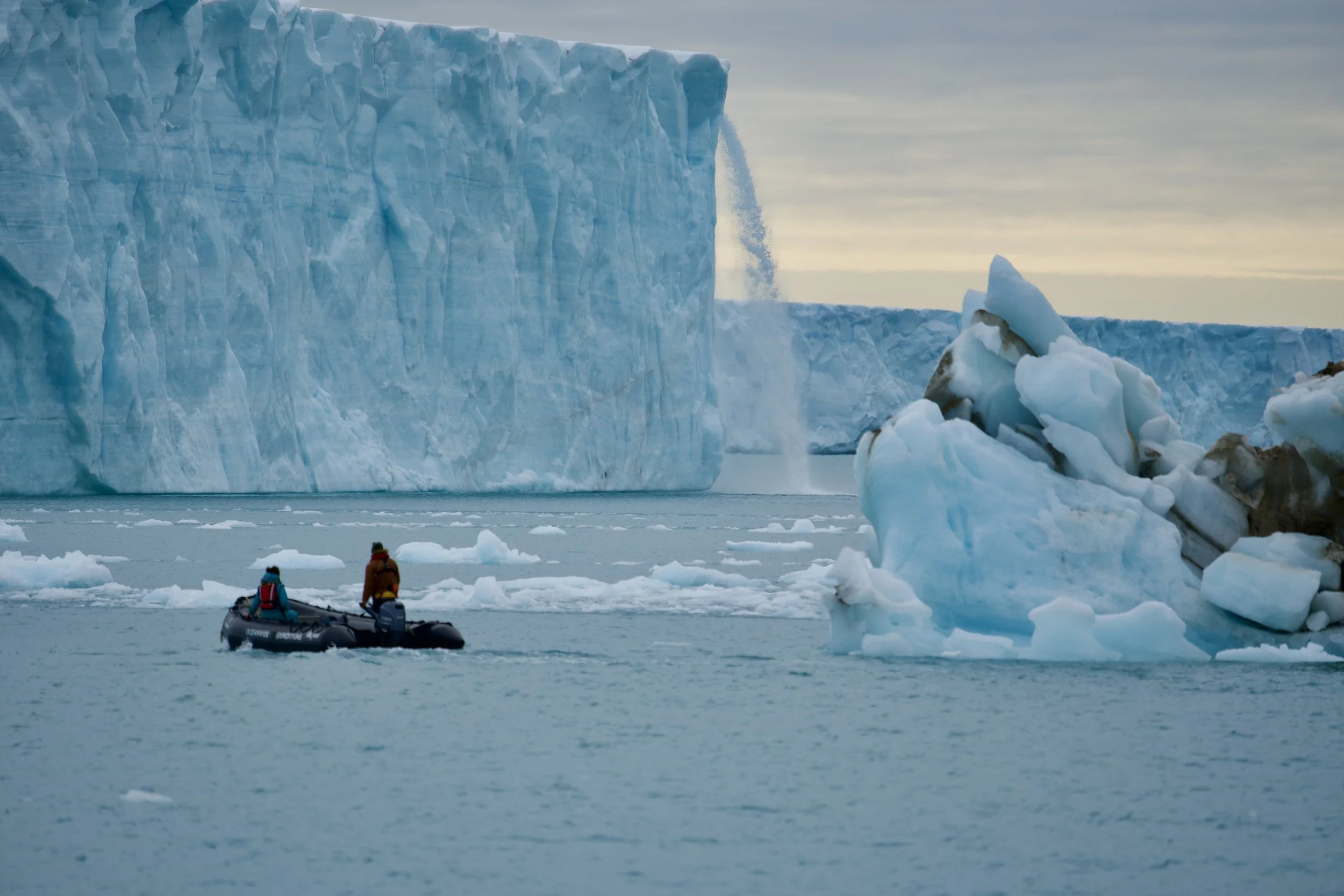
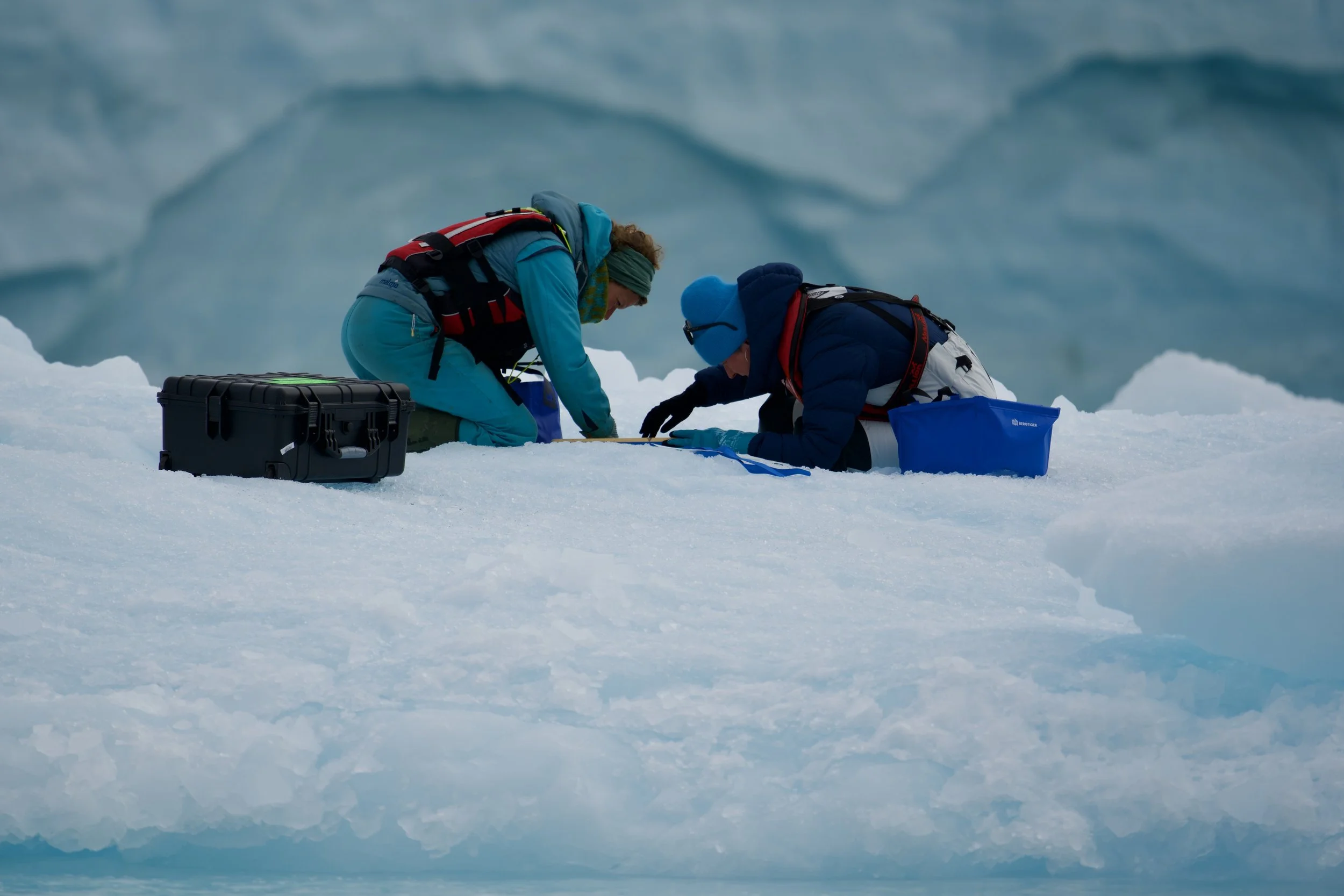
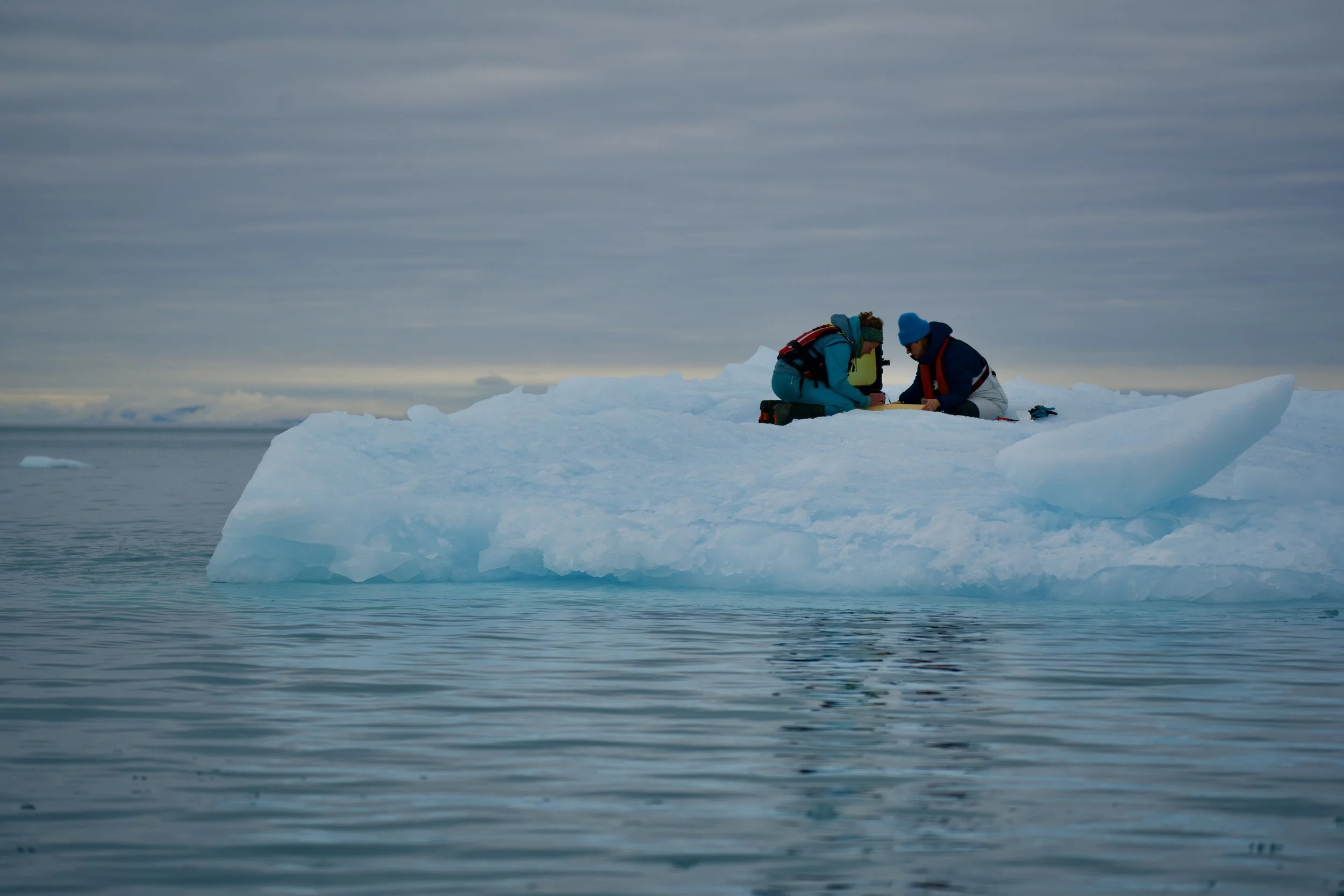
Johanna Tinzl, Casting Austfonna (High Arctic), 2026. Documentation of the Glacier Casting for The Archive of Disappearance, 2019 – ongoing
I filmed , and Claudia and Nadine D to shoot stills, and Rhys drove the boat. It was the hardest filming I have ever attempted, because the zodiac was moving and the floe was moving and the people on the floe were moving and there were waves under all of it. We went out, came back, mixed plaster, went out again, and the wall stood behind her the whole time. She got her cast, and she also got a film she never asked for and photographs from two boats. Being asked to document that was the piece of luck I did not see coming, and I would not trade it for anything else that happened out there. I recorded an interview with her at the end of the trip. It exists, it is hers, and it will go out when she is ready.
In the evening the ship went quiet and stopped for walruses at Torellneset. I had seen one before, at Schönbrunn in Vienna, which I mention only so nobody can accuse me later of overselling this, and a walrus in a Viennese zoo relates to a walrus on a beach at seventy-nine degrees north roughly the way a postcard of the Alps relates to the Alps. There were forty of them piled on grey gravel, lying across each other on purpose, everybody touching everybody, tusks laid over somebody else's back the way a man puts his feet on the furniture. Two of them were up on their chests with tusks crossed, which looks alarming until you learn that the skin on an adult's neck runs two to four centimetres thick precisely so this can happen without consequences. Some of my frames look like renaissance paintings, three or four of them stacked with the light coming from one side and one at the back with his chin lifted, gazing out of frame at something in the middle distance with an expression of enormous significance, until you remember he weighs a tonne and a half, has been lying in his own company for six hours, and is looking at nothing whatsoever.
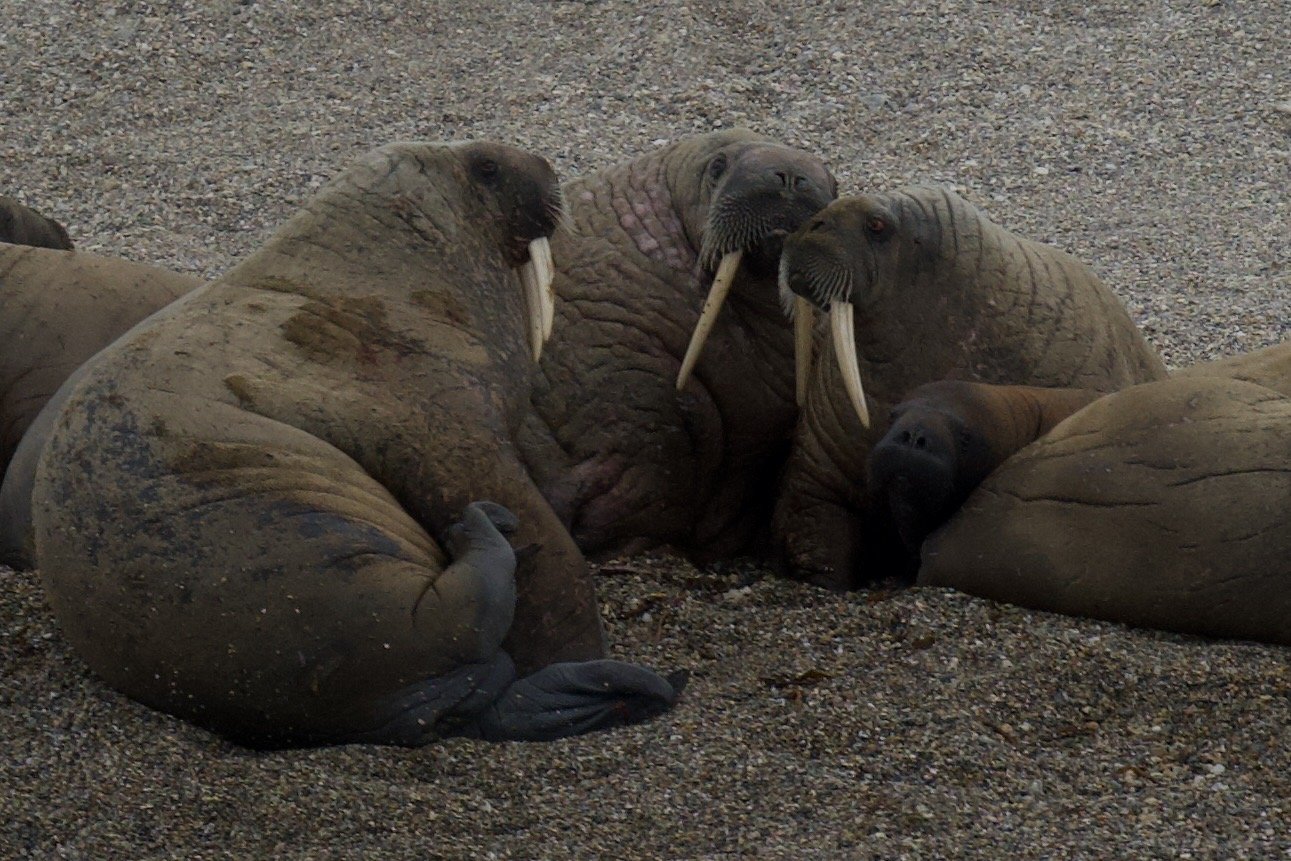
Protect the little one!
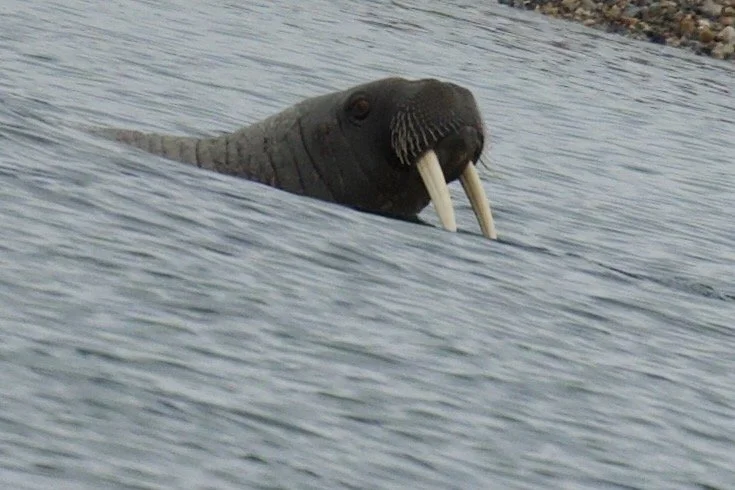
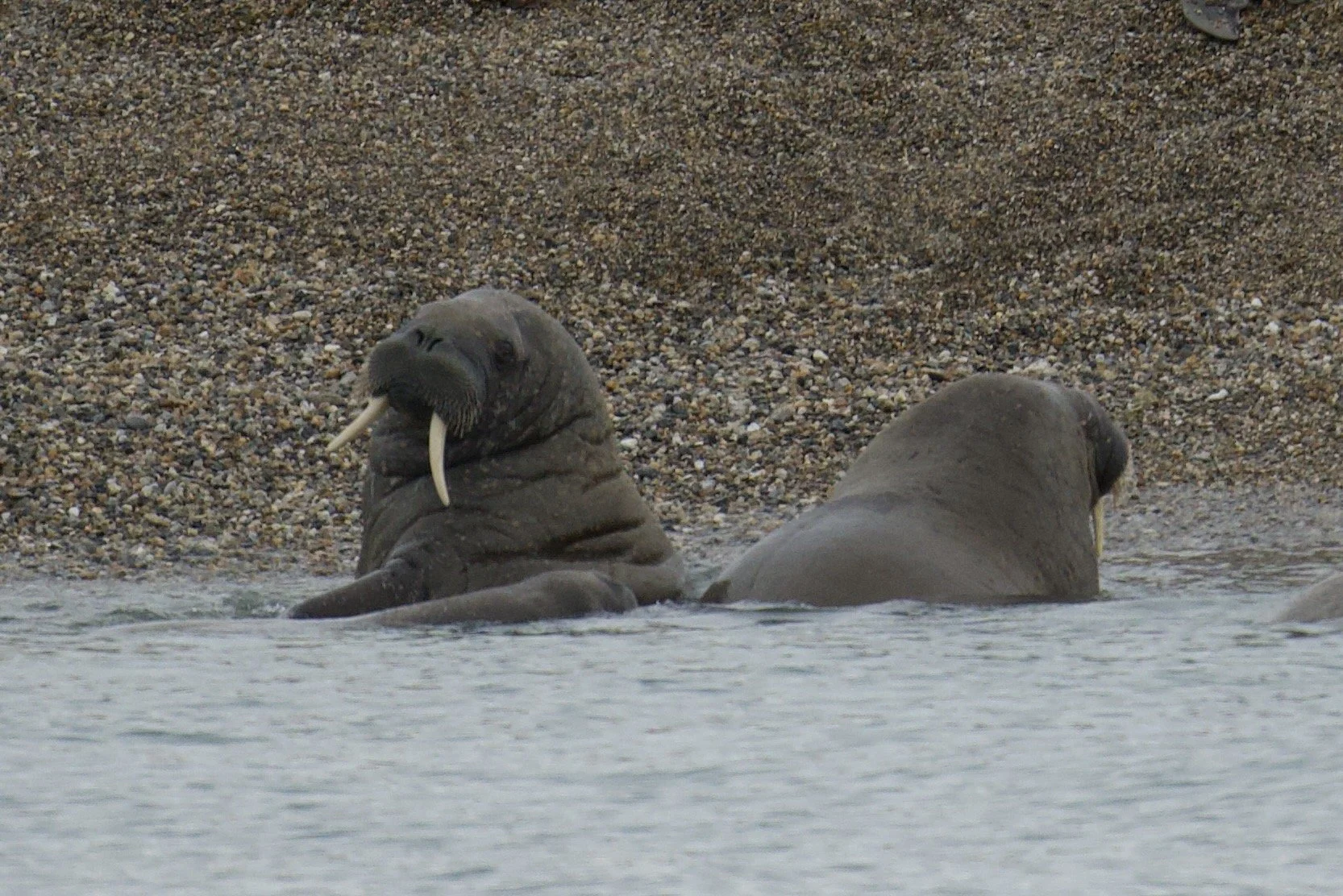
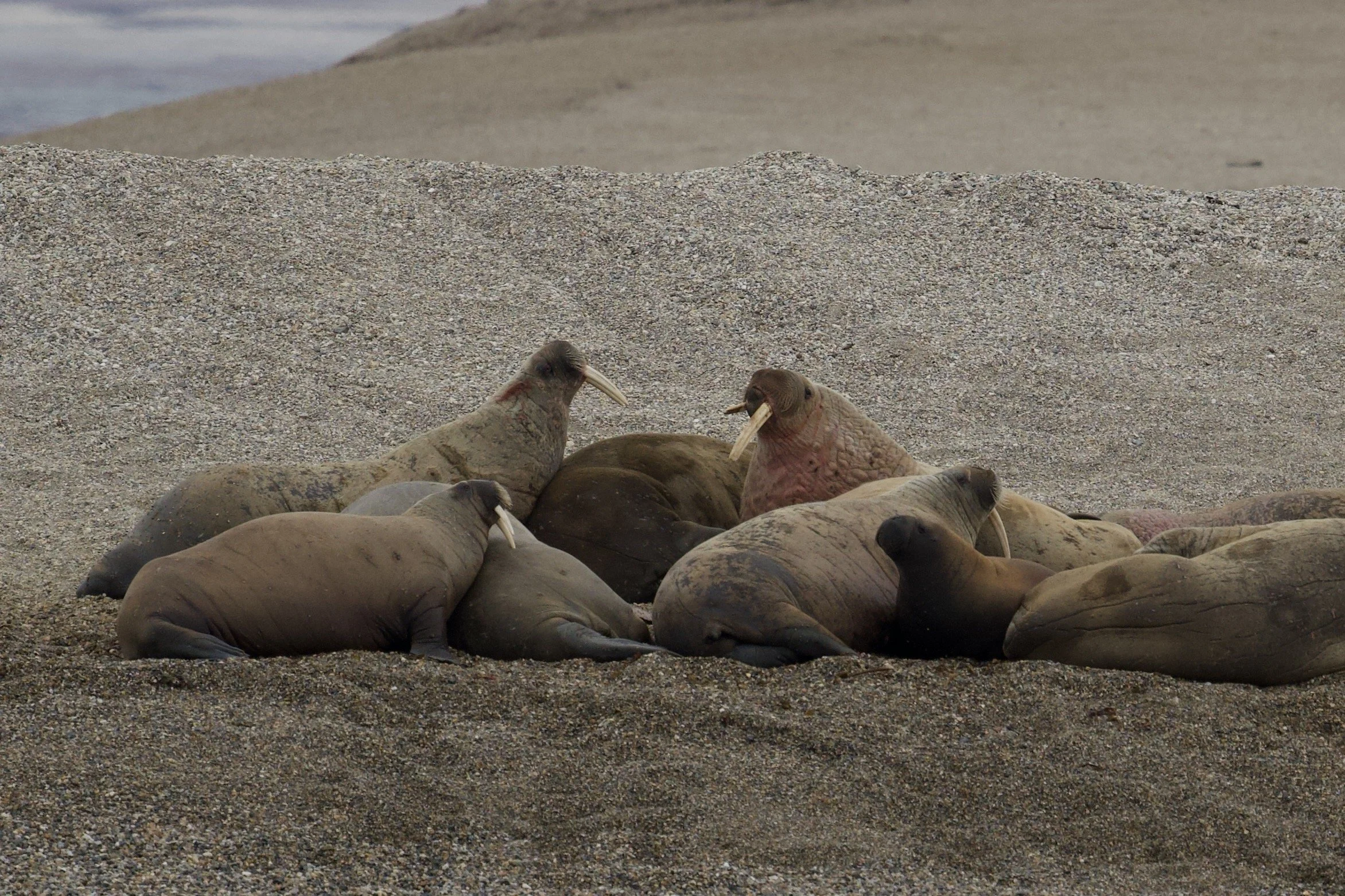
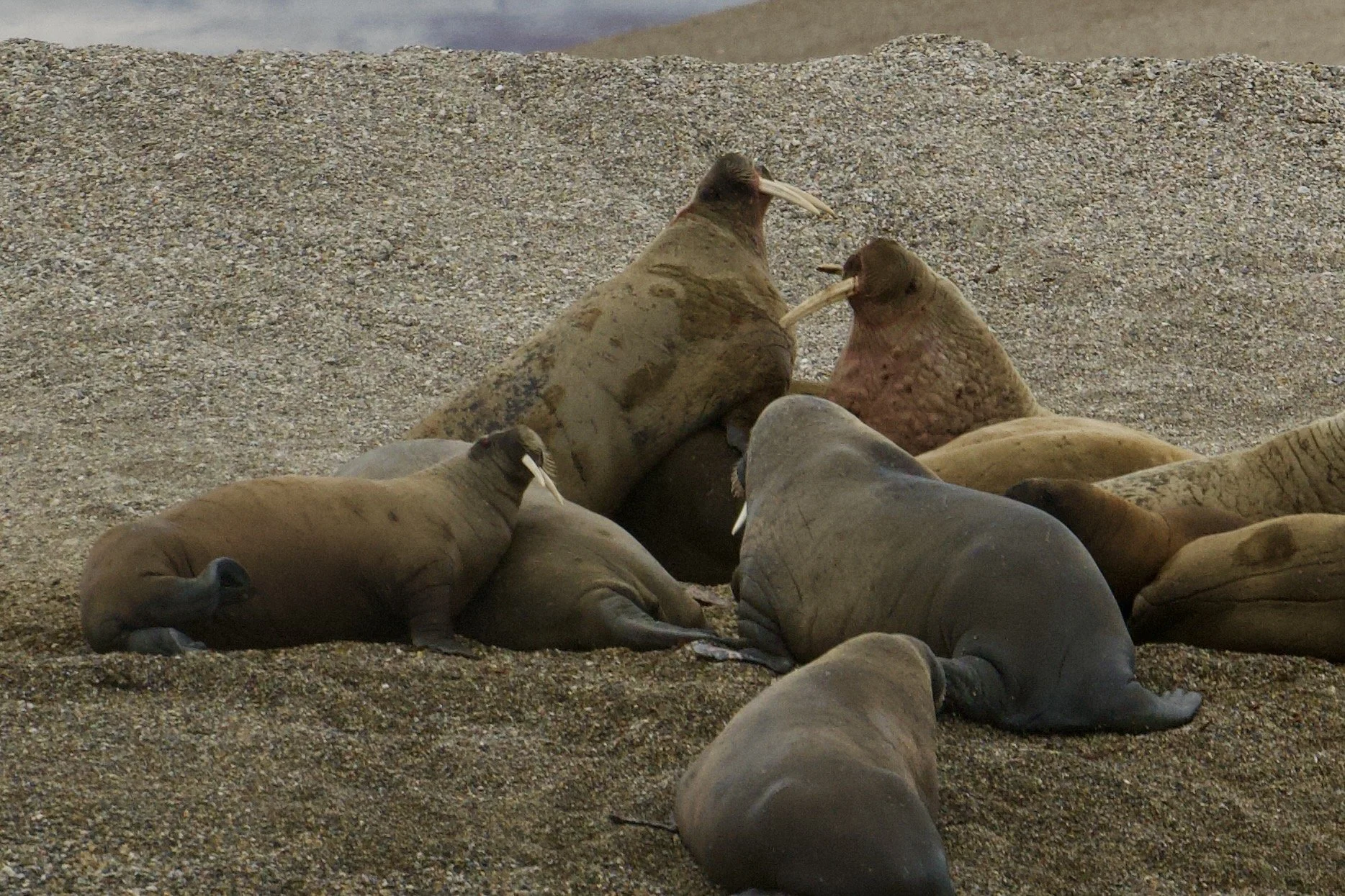
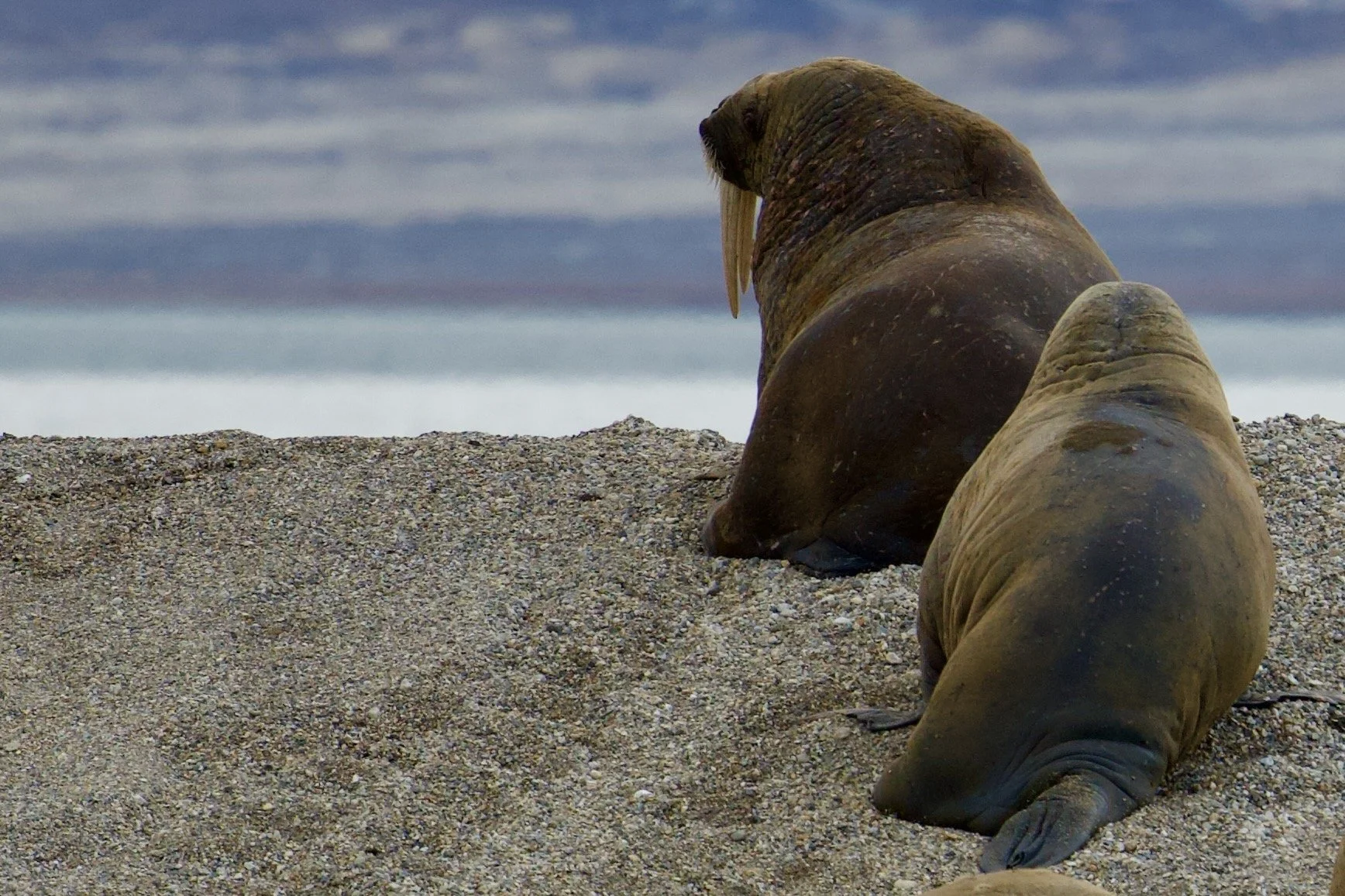
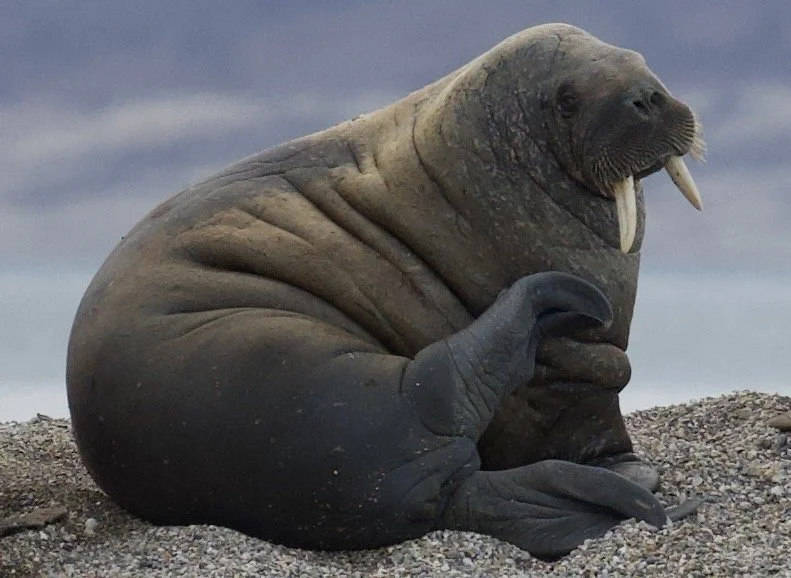
The colors were the best part and I did not understand them until later. Some were pale sandy grey and some were nearly red, and it is not markings and it is not age, it is plumbing. In cold water a walrus shuts the blood off from its skin to stop losing heat and goes almost white, and warming up on a beach the vessels open and the blood comes back and the animal turns pink and then red. You can look at that pile and read off, knowing nothing else about any of them, who has been lying there longest. Low in the middle, wedged in tight against a much larger animal, was one small dark one, and the big one beside it did not move the entire time I watched.
Fifty-four kilometres, and not one minute of it spent on land.
Somewhere in there Sarah told us she had changed the name. She names her expeditions, and ours was going to be The Circumnavigation, and after a bear on a moraine and three on a beach and two more coming up at five of our own people, three days running, she said we were The Wild Ones instead. I liked it immediately and it took me until later to notice the other half of it. Did she quietly take the word circumnavigation off the table? There was still a great deal of ice to the north of us and nobody had promised we were getting round. That came later, on a beach, in a stone.
“The sea does not reward those who are too anxious.”